

Advancing Quality of Life for Patients with Black Lung
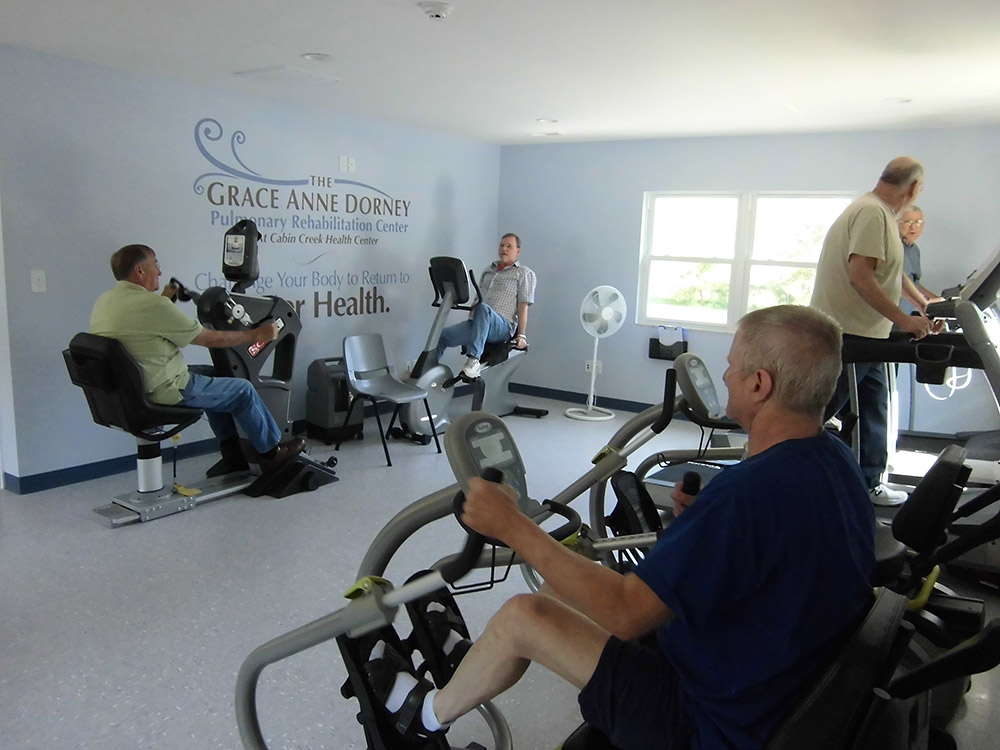
Patients excercise at a new rehabilitation clinic in Dawes, W.Va. Photo courtesy The Breathing Center at Cabin Creek Clinic
By Molly Moore
The most severe form of black lung disease, known as progressive massive fibrosis, is at its highest levels since the early 1970s, despite being nearly eliminated 15 years ago, according to a 2014 analysis by the National Institute for Occupational Safety and Health, part of the U.S. Centers for Disease Control and Prevention.
This debilitating lung disease is caused by exposure to coal mine dust. Across the country, clinics funded by the federal Black Lung/Coal Miner Clinics Program provide early diagnosis and assist with the process of filing claims for federal black lung benefits, along with helping patients learn to cope with the incurable disease.
In southern West Virginia, Valley Health Black Lung Program Coordinator Deborah Wills is on the front lines, helping current and former coal miners file for federal benefits and trying to connect miners in need of legal representation with the few lawyers available. Witnessing the increase in severe black lung is discouraging, Willis says, but she points to a bright spot — three rural pulmonary rehabilitation centers opened in the area in September 2014, and another is slated to open in Lincoln County in September 2015.
Rehabilitation for pulmonary patients includes exercises that help patients of all abilities regain their strength. One participant told a local television station that he was able to mow the lawn again after doing the exercises, and wheelchair-bound participants have experienced improvements such as being able to get in and out of bed more easily.
The program provides information about the disease, how to use medications, and, Wills says, “understanding what’s normal and what’s an emergency.”
Often, she says, patients will panic when they can’t catch their breath, which can worsen the situation and send them to the emergency room. The program teaches participants when to use breathing exercises or a rescue inhaler to quell these episodes. “[Rehab] often prevents ER visits because miners can handle what’s going on with their breathing themselves,” Wills says.
Dr. Cecile Rose, an associate professor at the Colorado School of Public Health, says that there are ways people diagnosed with black lung can improve their well-being. “For people that have a chronic lung disease, we know that maintaining activity levels, having a regular program of exercise for muscle strengthening and for weight control improve … quality of life,” she says. According to Rose, medical care such as regular flu vaccinations, quitting smoking and treating other conditions that can be exacerbated by black lung, such as sleep apnea, can also help.
But, she adds, “medical care by its very nature focuses on the patient and not on the workplace, and the real focus for prevention of pneumoconiosis, of occupational dust disease, has to be on the workplace.”
In August 2014, the Mine Safety and Health Administration published a new coal dust rule that lowers miners’ allowable exposure to coal dust at underground and surface mines. And in April of this year the Labor Department proposed the Black Lung Benefits Act Rule. The draft regulation would require that doctors and lawyers representing both the miner and the coal company disclose all medical records associated with a claim, and make it more difficult for coal companies to avoid paying benefits after a claim is awarded.
The Workers Compensation Programs Office is accepting public comments on the Black Lung Benefits Act until June 29. Visit: 1.usa.gov/1eKpKMo
Related Articles
Latest News
More Stories
Neighbors Help Neighbors
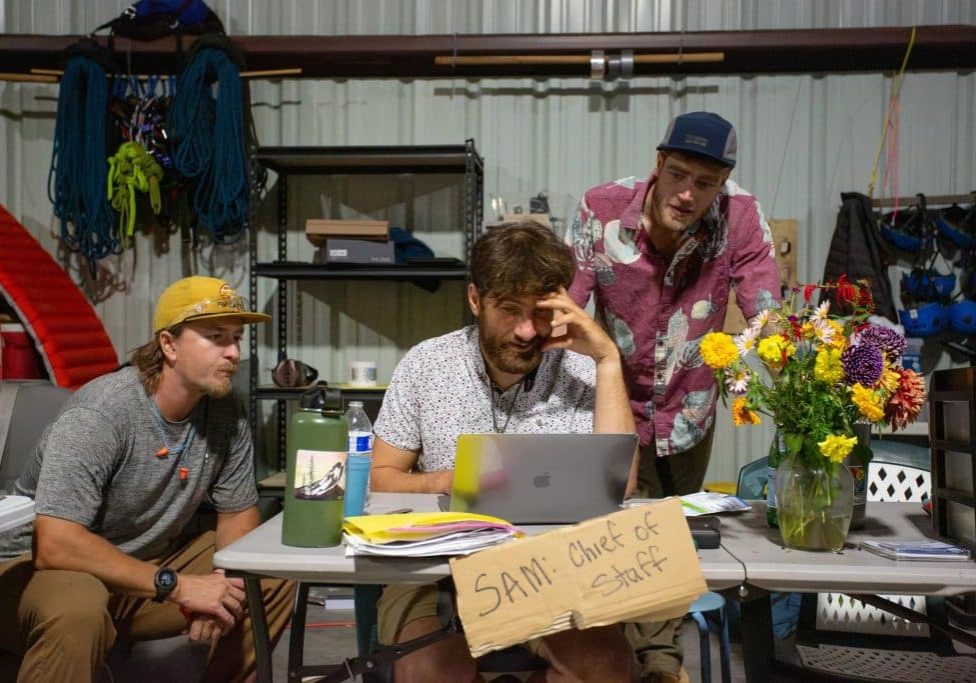
A photo essay that celebrates the volunteer spirit of the grassroots group Hurricane Helene WNC and speaks to the resourcefulness, collaboration and hard work embodied by thousands and thousands of volunteers, first responders and aid workers across the region after Hurricane Helene.

Halloween Approaches, and Night School Is in Session
The House of Art in Bluefield, West Virginia, looks like a haunted tower, making it the perfect location for its sixth annual haunt event: Night School. The Night School will be open every Friday and Saturday night through Oct. 31.
‘The Most Perfect Act of Love’
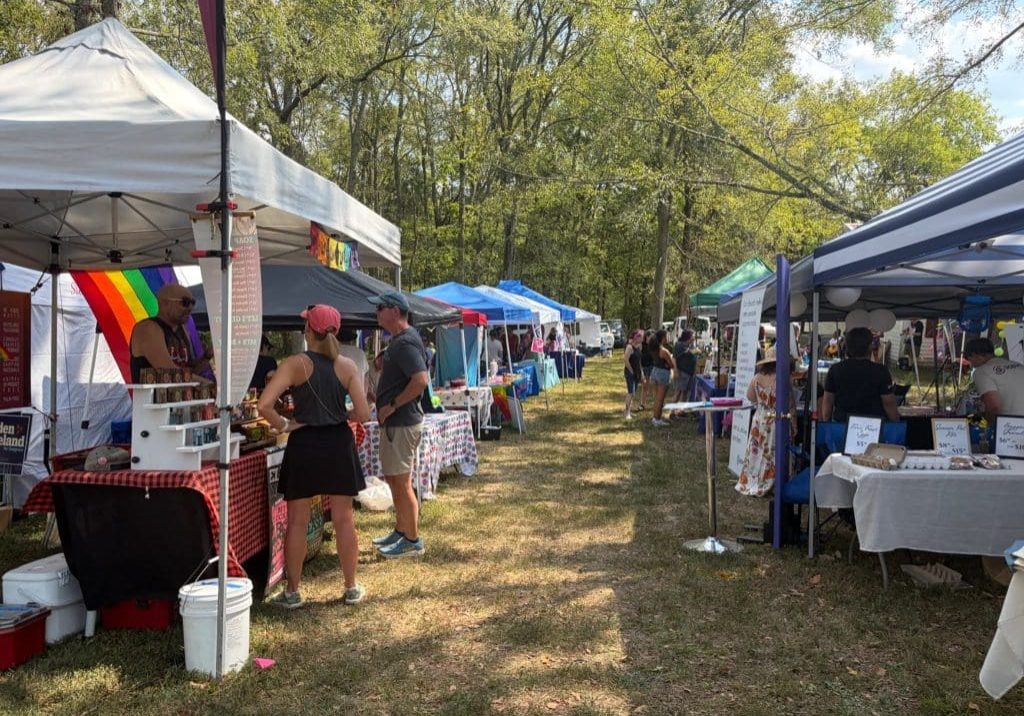
Hundreds of people attended the second annual Affirming Sumner Pride celebration on a 24-acre farm dubbed “Fruity Farm” in Bethpage, Sumner County, Tennessee.
Signs of Life: Endangered Bats Found in Nantahala for First Time in More Than a Decade
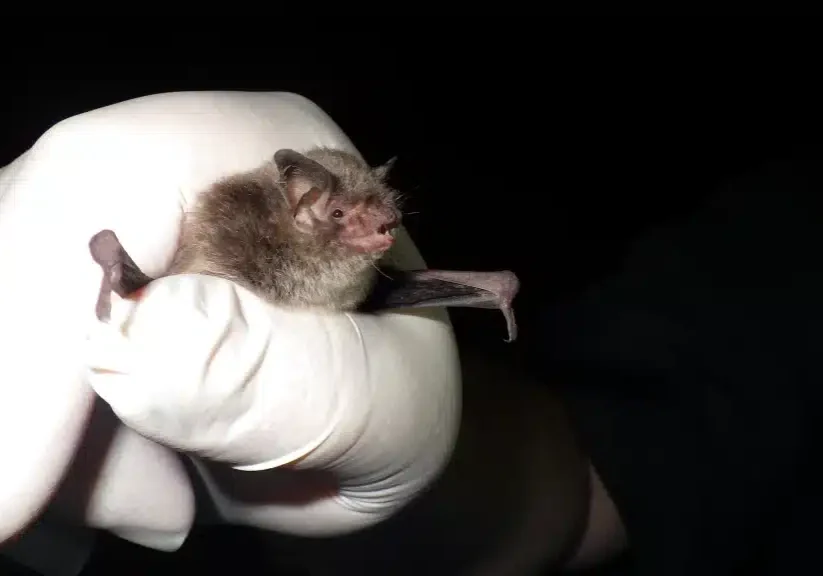
In the Nantahala National Forest, a team of biologists spotted Indiana bats, an endangered species that hasn’t been seen in North Carolina for the last 11 years.
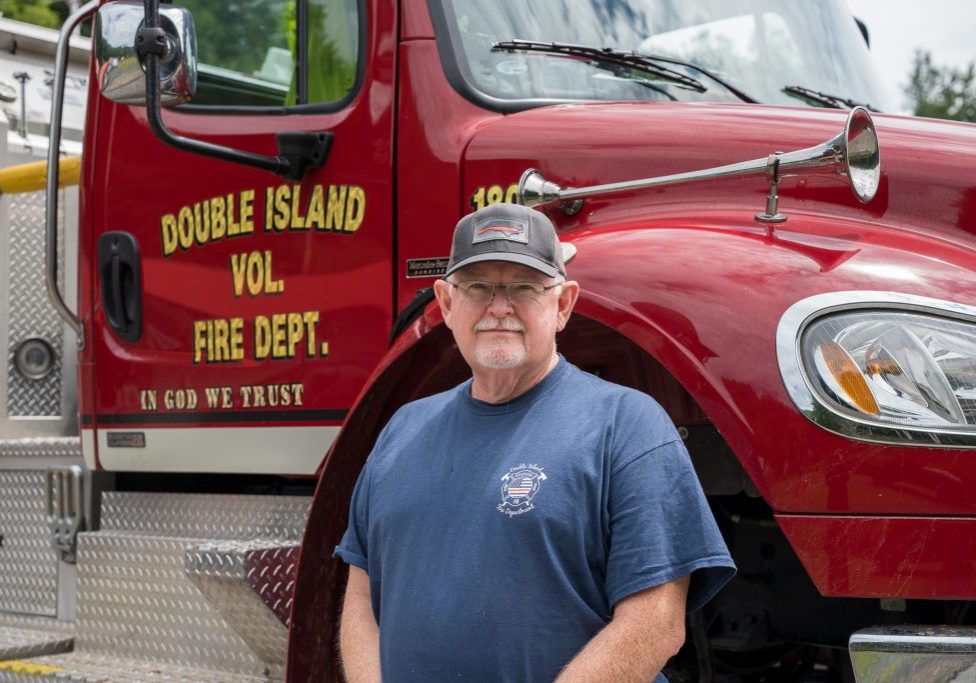
‘First Line of Defense’
During Hurricane Helene and its aftermath, rural fire departments and other first responder hubs played critical roles in keeping their communities safe, even without power and cut off from outside support for days or weeks after the storm. Two years later, plenty of work remains to ensure these hubs have the resources they need to operate day to day and be ready when emergencies or natural disasters strike.
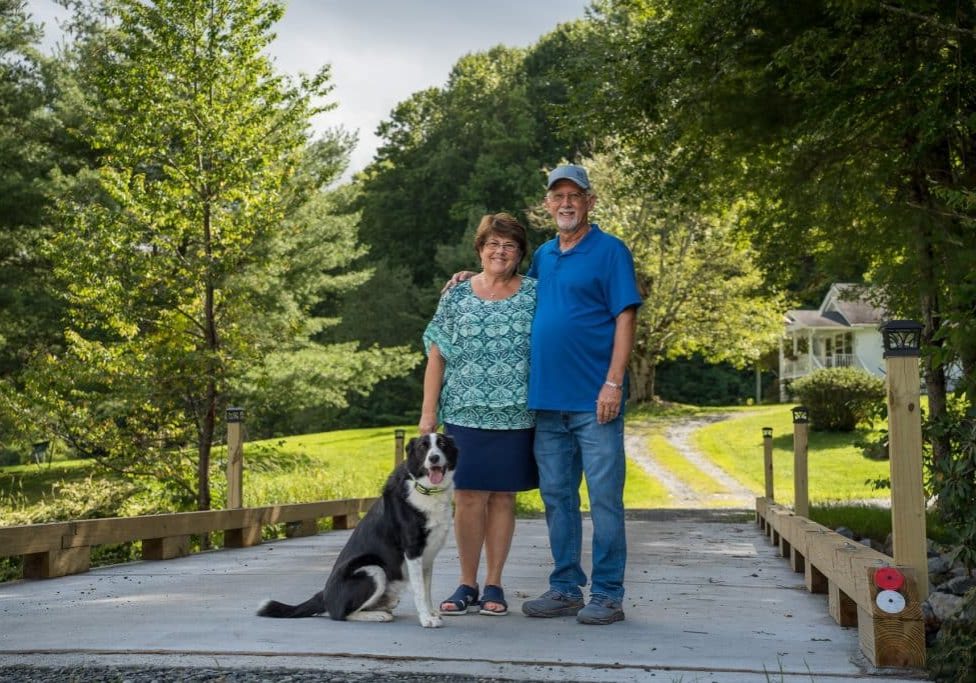
The Rocky Road — and Bridge — to Recovery
Hurricane Helene is estimated to have damaged nearly 7,000 private roads and bridges in Western North Carolina. Two years later, many restoration projects are complete, but the journey hasn’t been easy — and isn’t over for others.

Leave a comment
Your email address will not be published. Required fields are marked *
One response to “Advancing Quality of Life for Patients with Black Lung”
-

The Louisville Courier Journal did a 5 day exposure about this named “Dust Deception and Death” with many charts and a death estimate of over 1400 coal miners in 1 year who had been afflicted in 20 to 30 years in mines such as Big Rowdy, Blue Diamod and Leatherwood all near Hazard KY and Interstae-75, MSHA part of Osha oversees this
THe appalshop documentary “Fightin for a Breath” has been shown on state PBS and sold to schools and libraries.
March 2016 From a truck stop

Leave a Comment