

Mobile Market Transforms Tennessee Town With Fresh Food
By Megan Northcote
Ten years ago, abandoned grocery carts left near entrances to public housing complexes dotted the rural landscape in Greeneville, Tenn. Lacking public transportation and deterred by hilly terrain, residents were too often discouraged to return their carts to the nearest grocery store after their weekly shopping trip.
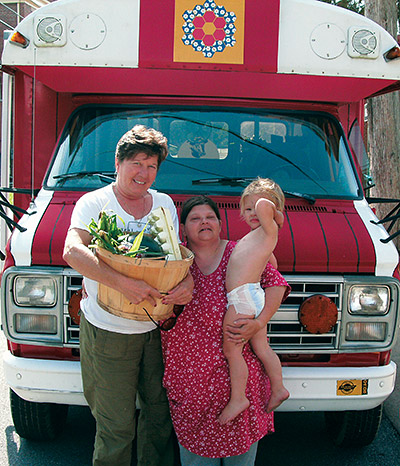
Each week, Mobile Market Manager Rhonda Hensley, left, delivers food to this loyal customer, right, and her four children who lack proper transportation to travel to the nearest grocery store. Photo courtesy of Rural Resources
In 2005, that all changed with Greeneville’s first Mobile Farmers Market. Funded by a U.S. Department of Agriculture grant, the project is an initiative of Rural Resources, a nonprofit focused on connecting farms, food and families with sustainable practices throughout Greene County.
Now in its 10th year, this market on wheels delivers 1,700 pounds of locally grown, fresh food to more than 200 individuals each week — including those living in public or elderly housing — who otherwise would not have access.
“We live in a food desert here where there are not a lot of choices for eating fresh food,” says Rhonda Hensley, market manager and an Appalachia CARES/Americorps member. “I love educating people about the goodness of eating local, fresh food that comes from the earth.”
Each week, customers place their food order online. Volunteers then fill boxes with produce from Rural Resources’ own on-site community farm, as well as meat, eggs and honey provided by local farmers, and baked goods and casseroles prepared by the nonprofit’s Farm & Food Teen Training program. On Thursdays, the mobile market makes deliveries to designated drop-off locations, primarily serving low-income housing areas; the program has seen purchases with electronic food stamps quadruple since the first year.
For Hensley, introducing children to healthier foods and watching their eating habits change makes her job immeasurably rewarding.
“I love filling kids’ hands with blueberries or giving them a piece of kale to taste for the first time,” Hensley says. “This food is so delicious. There’s no comparison to processed foods.”
The mobile market has even empowered clients to grow their own food by providing 60 garden containers and helping one neighborhood start a community garden.
As the program grows, Hensley is planning for local restaurants, hospitals and hotels to turn to the mobile market for fresh, healthy food supplements for their menus.
For more information, visit ruralresources.locallygrown.net or call Hensley at 423-470-4047.
Related Articles
Latest News
More Stories

Halloween Approaches, and Night School Is in Session
The House of Art in Bluefield, West Virginia, looks like a haunted tower, making it the perfect location for its sixth annual haunt event: Night School. The Night School will be open every Friday and Saturday night through Oct. 31.
‘The Most Perfect Act of Love’
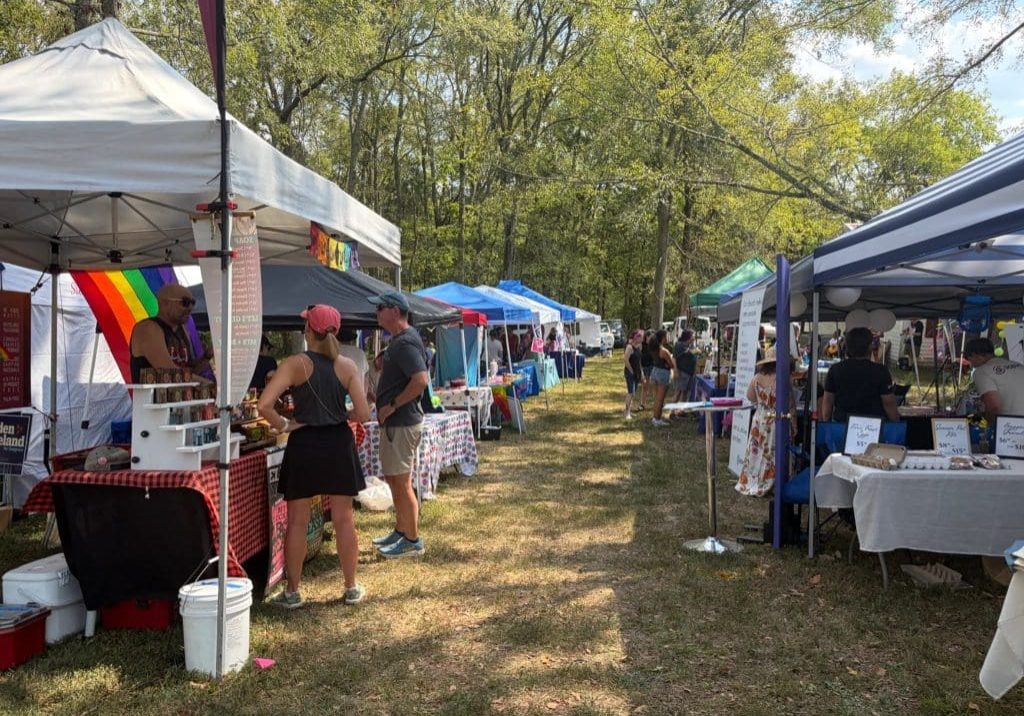
After losing its rural pride celebration, hundreds of people attended the second annual Affirming Sumner Pride celebration on a 24-acre farm dubbed “Fruity Farm” in Bethpage, Sumner County, Tennessee.

Signs of Life
In the Nantahala National Forest, a team of biologists spotted Indiana bats, an endangered species that hasn’t been seen in North Carolina for the last 11 years.
‘First Line of Defense’
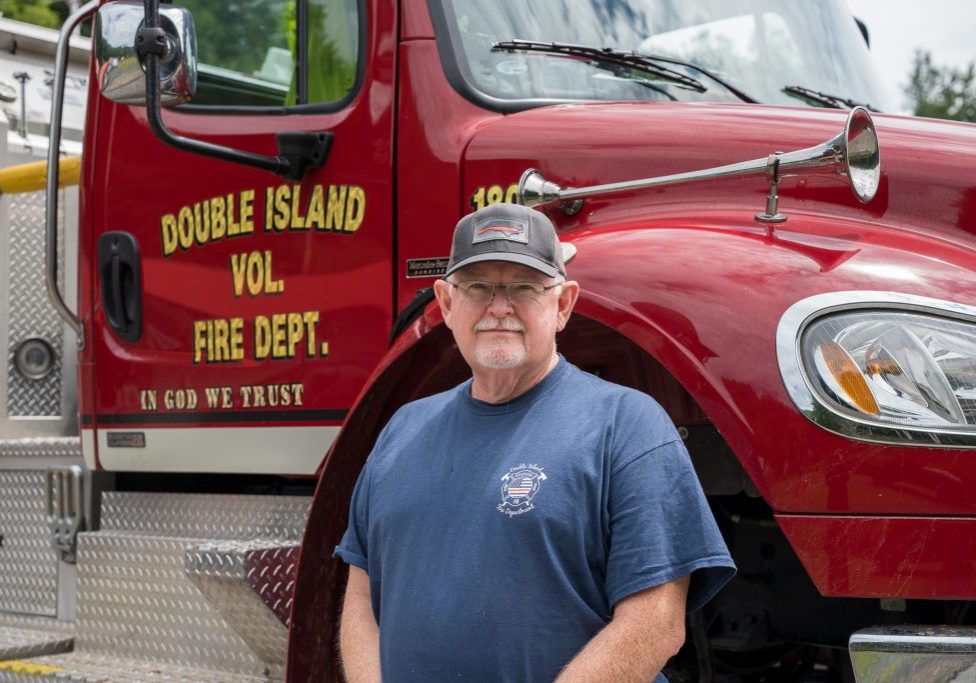
During Hurricane Helene and its aftermath, rural fire departments and other first responder hubs played critical roles in keeping their communities safe, even without power and cut off from outside support for days or weeks after the storm. Two years later, plenty of work remains to ensure these hubs have the resources they need to operate day to day and be ready when emergencies or natural disasters strike.
The Rocky Road — and Bridge — to Recovery
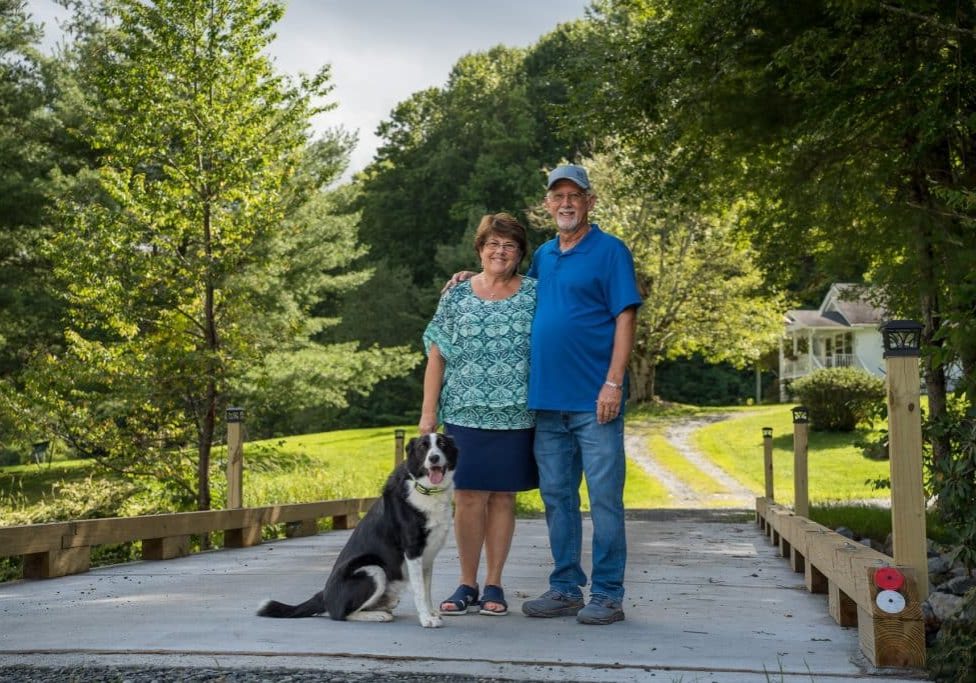
Hurricane Helene is estimated to have damaged nearly 7,000 private roads and bridges in Western North Carolina. Two years later, many restoration projects are complete, but the journey hasn’t been easy — and isn’t over for others.
After 20 Years, Letcher County Prison Proposal Is Still Alive, Though Obstacles Remain
A $605 million proposal for a federal prison on a former strip mine site in Letcher County, Kentucky, championed by U.S. Rep. Hal Rogers, refuses to die, despite local opposition, a lack of support from the executive branch and numerous other obstacles.

Leave a comment
Your email address will not be published. Required fields are marked *
Leave a Comment