

Appalachian Bookshelf
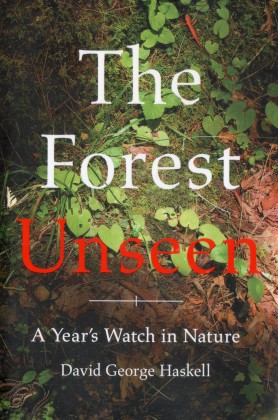 The Forest Unseen: A Year’s Watch in Nature
By David George Haskell
In a circle of Cumberland Plateau old-growth forest roughly the size of a hula hoop, Haskell finds reasons for awe and wonder in the anatomy of a flower or the heartbeat of a chickadee. Inspired by both the place-based writings of Thoreau and the meditative practice of contemplating small, impermanent spaces known as mandalas, the University of the South ecologist and evolutionary biologist records his observations and musings with the eye of a scientist and the words of a poet. — Molly Moore
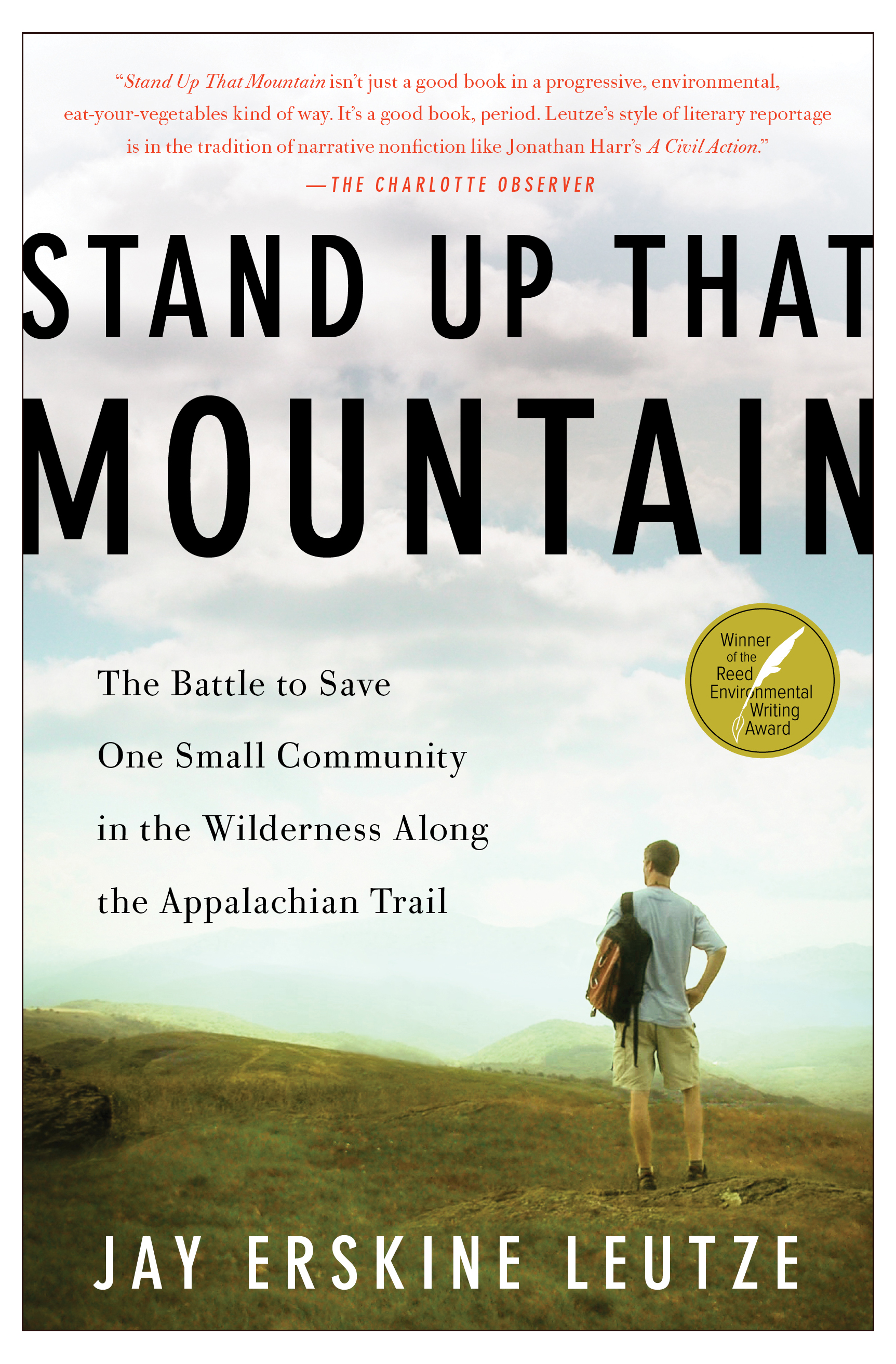 Stand Up That Mountain: The Battle to Save One Small Community in the Wilderness Along the Appalachian Trail
By Jay Erskine Leutz
In Avery County, N.C., a handful of locals are pitted against a large-scale gravel mining company whose illegal practices threaten to destroy their home. Intent on stopping the mine, the author and a ragtag group of locals embark on a four-year legal battle, garnering attention from top environmental lawyers, scientists, activists and, ultimately, the U.S. government. Leutze’s first book and the precedent-setting legal case raise questions about the power of government to regulate industry, the integrity of national parks and the value of natural beauty. — Rachel Ellen Simon
 Our Roots Run Deep as Ironweed: Appalachian Women and the Fight for Environmental Justice
By Shannon Elizabeth Bell
A combination of oral history and sociological commentary, Bell presents extensive interviews with 12 Appalachian women engaged in environmental justice work. Bell’s analysis goes beyond the traditional view that women’s activism is grounded in their identification as mothers; rather, Bell argues that these women assume a broader “protector identity” to safeguard not just their families, but also their culture, communities and physical environment. Thirty percent of proceeds will be donated to environmental justice organizations in central Appalachia. — Rachel Ellen Simon
Related Articles
Latest News
More Stories

Halloween Approaches, and Night School Is in Session
The House of Art in Bluefield, West Virginia, looks like a haunted tower, making it the perfect location for its sixth annual haunt event: Night School. The Night School will be open every Friday and Saturday night through Oct. 31.
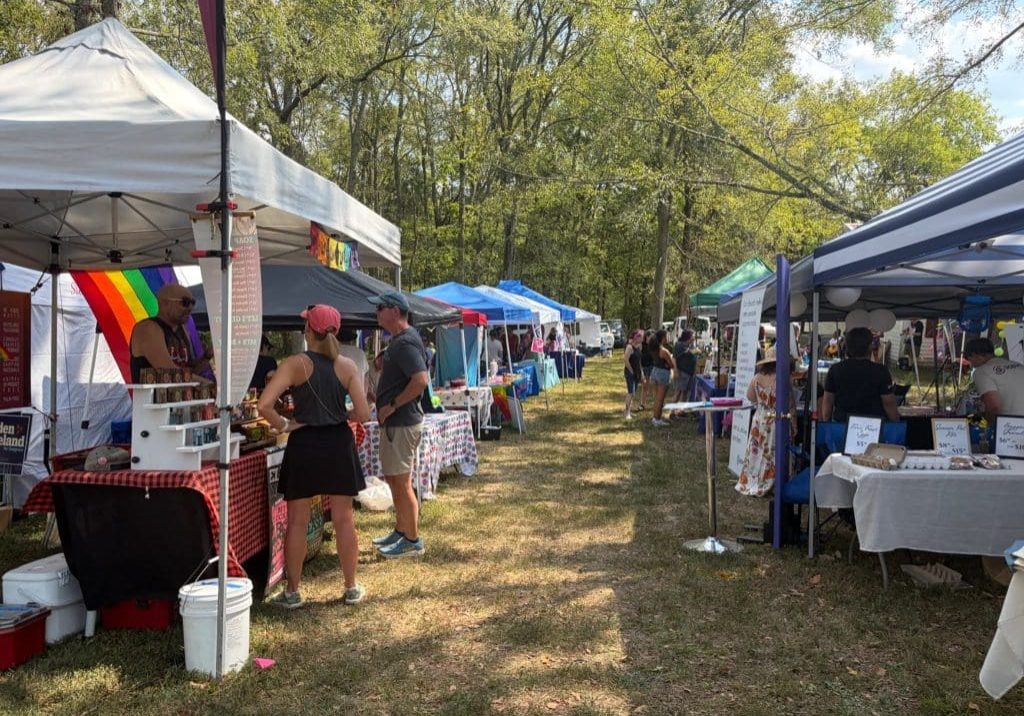
‘The Most Perfect Act of Love’
After losing its rural pride celebration, hundreds of people attended the second annual Affirming Sumner Pride celebration on a 24-acre farm dubbed “Fruity Farm” in Bethpage, Sumner County, Tennessee.

Signs of Life
In the Nantahala National Forest, a team of biologists spotted Indiana bats, an endangered species that hasn’t been seen in North Carolina for the last 11 years.

‘First Line of Defense’
During Hurricane Helene and its aftermath, rural fire departments and other first responder hubs played critical roles in keeping their communities safe, even without power and cut off from outside support for days or weeks after the storm. Two years later, plenty of work remains to ensure these hubs have the resources they need to operate day to day and be ready when emergencies or natural disasters strike.

The Rocky Road — and Bridge — to Recovery
Hurricane Helene is estimated to have damaged nearly 7,000 private roads and bridges in Western North Carolina. Two years later, many restoration projects are complete, but the journey hasn’t been easy — and isn’t over for others.
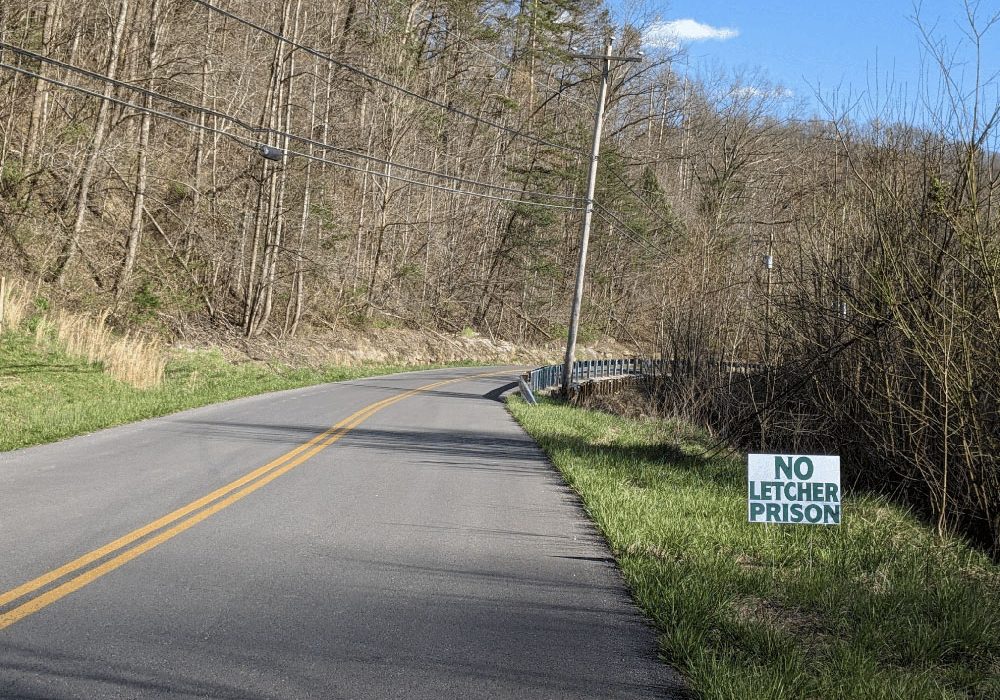
After 20 Years, Letcher County Prison Proposal Is Still Alive, Though Obstacles Remain
A $605 million proposal for a federal prison on a former strip mine site in Letcher County, Kentucky, championed by U.S. Rep. Hal Rogers, refuses to die, despite local opposition, a lack of support from the executive branch and numerous other obstacles.

Leave a comment
Your email address will not be published. Required fields are marked *
Leave a Comment