

Tom Cormons: A Leader With a Purpose
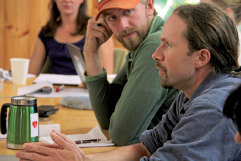
Tom Cormons, new executive director for Appalachian Voices, (right) leads a discussion during an organizational staff retreat. “We are very fortunate to have a man of his vision and talent at the helm as we embark on the next chapter of Appalachian Voices’ journey,” says Board of Directors Chair Christina Howe.
When Tom Cormons left the East Coast to attend college in Charlottesville, Va., it didn’t take him long to fall in love with the mountains.
Every opportunity he had during his time at the the University of Virginia, he hiked, paddled and climbed in the rugged mountains of Appalachia.He eventually met his wife, Heather, while working as a whitewater guide on West Virginia’s Gauley River. Even through his years of pursuing an environmental law degree at UCLA and working in Washington, D.C., for the U.S. Justice Department, Tom’s passion for the mountains — and a desire to protect them — never wavered.
That desire, combined with an extensive background in wildlife research and energy policy as well as six years of leadership experience at Appalachian Voices, is what led Tom to become the organization’s new executive director.
Tom joined Appalachian Voices as a member 12 years ago, inspired by the mission to protect the mountains he had grown to love. In 2007, he joined the staff to establish the organization’s Virginia office and program. In the past few years, he has expanded the Virginia office to a staff of five, and positioned Appalachian Voices in a leading role in the efforts to bring cleaner energy to the commonwealth.
“I am honored to now lead this organization, whose staff, board, members and partners continue to inspire me every day,” Tom says. “I’m very motivated to help our region transition to cleaner energy and to ways of supporting people’s livelihoods that respect our natural heritage.
“What we do to the mountains, forests, and creeks has tremendous implications for people living here now, as well as for what we’ll be passing on to our children and their children,” Tom continues. “With three young kids myself, this is always on my mind.”
Established 15 years ago, Appalachian Voices has evolved from a small organization focused mostly on forest and air quality into a regional force tackling major issues like ending mountaintop removal coal mining, reducing air and water pollution associated with the coal cycle, and transitioning Appalachian states to clean energy. The organization now has 20 full-time staff members and four offices, and works mainly in Kentucky, North Carolina, Tennessee, Virginia and West Virginia.
“As I’ve worked with Tom over the years, I have witnessed his thoughtful, contemplative, and intelligent work mature and shine,” says Kathy Selvage, a coal miner’s daughter from Wise County, Va., who has worked to end mountaintop removal, and currently serves on Appalachian Voices’ board. “His love of the Appalachians, its flowers and fauna, and its people and culture, will be the lynchpin of his leadership. Appalachian Voices is in good hands.”
Related Articles
Latest News
More Stories

Halloween Approaches, and Night School Is in Session
The House of Art in Bluefield, West Virginia, looks like a haunted tower, making it the perfect location for its sixth annual haunt event: Night School. The Night School will be open every Friday and Saturday night through Oct. 31.
‘The Most Perfect Act of Love’
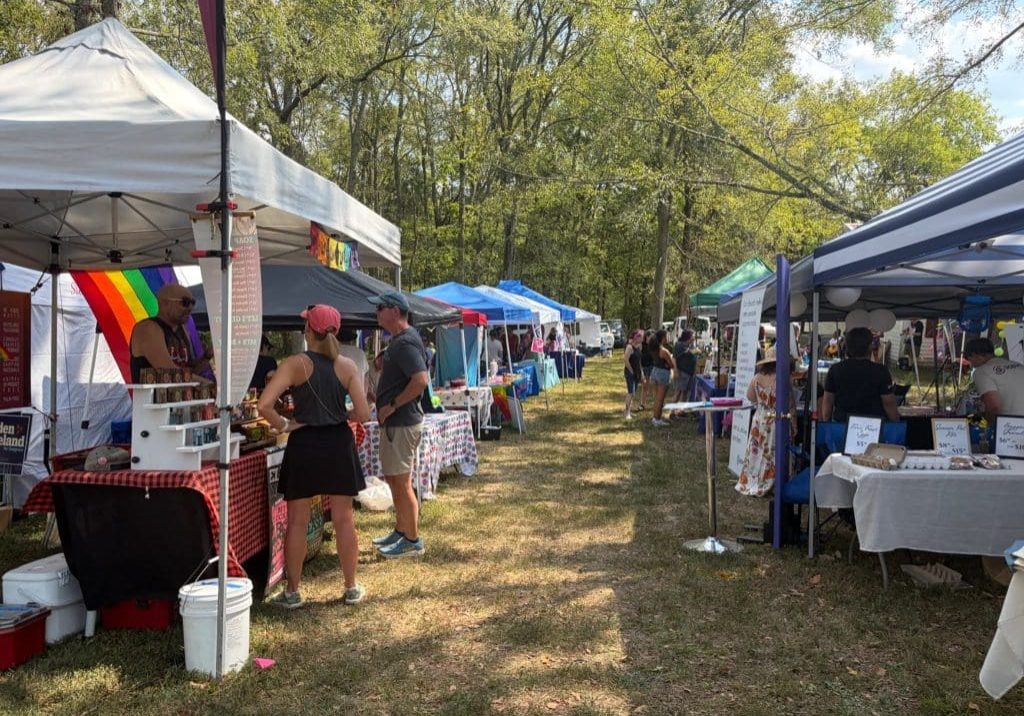
After losing its rural pride celebration, hundreds of people attended the second annual Affirming Sumner Pride celebration on a 24-acre farm dubbed “Fruity Farm” in Bethpage, Sumner County, Tennessee.

Signs of Life
In the Nantahala National Forest, a team of biologists spotted Indiana bats, an endangered species that hasn’t been seen in North Carolina for the last 11 years.

‘First Line of Defense’
During Hurricane Helene and its aftermath, rural fire departments and other first responder hubs played critical roles in keeping their communities safe, even without power and cut off from outside support for days or weeks after the storm. Two years later, plenty of work remains to ensure these hubs have the resources they need to operate day to day and be ready when emergencies or natural disasters strike.

The Rocky Road — and Bridge — to Recovery
Hurricane Helene is estimated to have damaged nearly 7,000 private roads and bridges in Western North Carolina. Two years later, many restoration projects are complete, but the journey hasn’t been easy — and isn’t over for others.
After 20 Years, Letcher County Prison Proposal Is Still Alive, Though Obstacles Remain
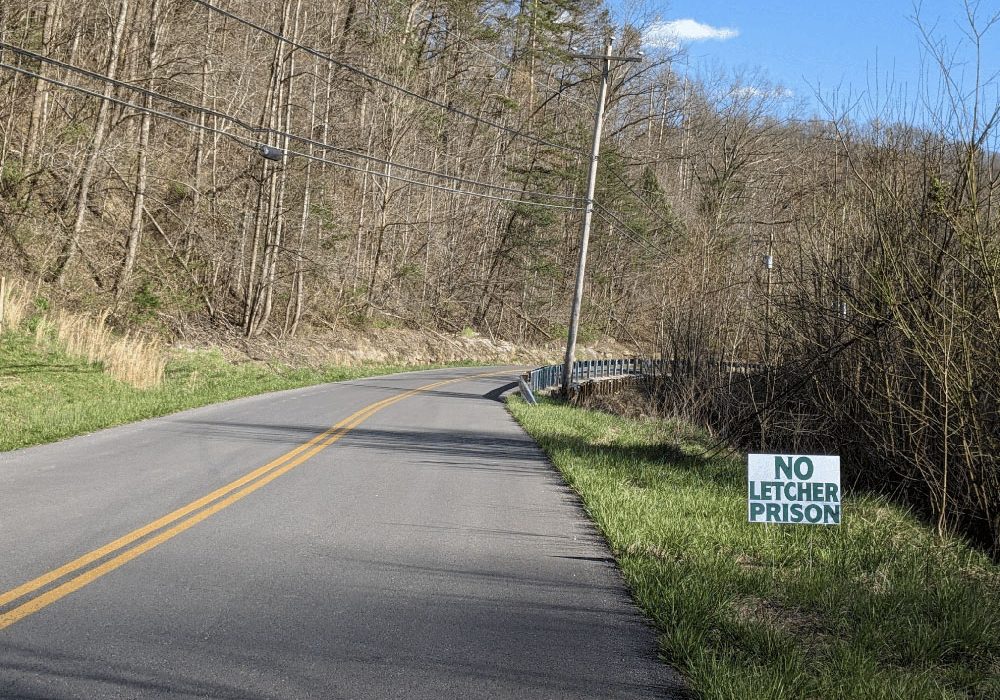
A $605 million proposal for a federal prison on a former strip mine site in Letcher County, Kentucky, championed by U.S. Rep. Hal Rogers, refuses to die, despite local opposition, a lack of support from the executive branch and numerous other obstacles.

Leave a comment
Your email address will not be published. Required fields are marked *
Leave a Comment