

Tennessee’s Appalachian Representatives
Phil Roe (TN-01)
 Congressman Roe represents a former pro-union district in upper East Tennessee which has been held by the Republican Party since 1881. There is no coal in his district, but he has said he believes that the United States has “a 400-year supply at current usage, and we need to look and expand our technology in coal.” Congressman Roe generally votes with the coal industry, but eco-tourism is an enormous part of the economy in his district, and he has supported legislation such as the Tennessee Wilderness Act, which would protect important natural areas of East Tennessee.
District specs: 20% poverty rate, 42.5% rural, Education level: 17.9% college, 81.4% high school
John Duncan (TN-02)
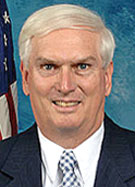 Congressman Duncan inherited this mountainous East Tennessee congressional seat from his father, but has done little of note in his decades of service. Tennessee’s second district is home to much of the Great Smoky Mountains National Park, America’s most-visited national park, making it a popular tourist destination. Despite this fact, Rep. Duncan has been openly hostile towards those working to protect Tennesseans and the environment from mining techniques such as mountaintop removal.
District specs: 15% poverty rate, 25.8% rural, Education level: 27.7% college, 87.2% high school
Chuck Fleischmann (TN-03)
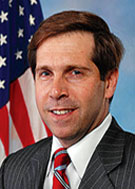 The Chattanooga-based representative generally sides with the coal industry, but voted against an amendment that would have prevented the U.S. Environmental Protection Agency from regulating coal ash waste. Earning a second term by beating out local dairy magnate Scotty Mayfield and Weston Wamp, the son of former Representative Zach Wamp, Fleischman is a strong supporter of nuclear energy, the development of environmentally-friendly drilling practices and “clean coal” technology.
District Specs: 20% poverty rate, 37.2% rural, Education level: 19.9% college, 82.6% high school
Scott DesJarlais (TN-04)
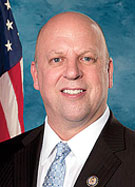 Congressman DesJarlais won a closer-than-expected re-election in 2012 due to allegations that he had pressured a former mistress to have an abortion. The pro-coal representative once stated that “We have an abundance of natural and technological resources in our country and should not be held hostage by Arab Sheiks or by regulatory agencies in Washington.” Much of the small amount of coal mining in Tennessee takes place in his Cumberland Plateau-based district.
District Specs: 20% poverty rate, 43.8% rural, Education level: 20.7% college, 83.1% high school
Related Articles
Latest News
More Stories

Halloween Approaches, and Night School Is in Session
The House of Art in Bluefield, West Virginia, looks like a haunted tower, making it the perfect location for its sixth annual haunt event: Night School. The Night School will be open every Friday and Saturday night through Oct. 31.
‘The Most Perfect Act of Love’
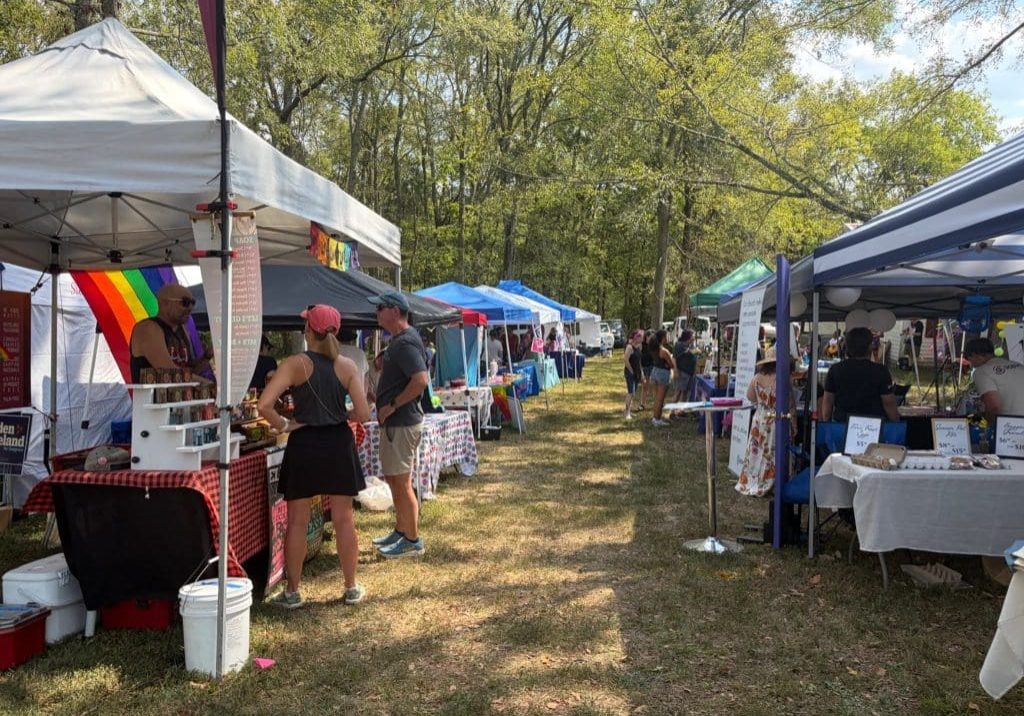
After losing its rural pride celebration, hundreds of people attended the second annual Affirming Sumner Pride celebration on a 24-acre farm dubbed “Fruity Farm” in Bethpage, Sumner County, Tennessee.

Signs of Life
In the Nantahala National Forest, a team of biologists spotted Indiana bats, an endangered species that hasn’t been seen in North Carolina for the last 11 years.

‘First Line of Defense’
During Hurricane Helene and its aftermath, rural fire departments and other first responder hubs played critical roles in keeping their communities safe, even without power and cut off from outside support for days or weeks after the storm. Two years later, plenty of work remains to ensure these hubs have the resources they need to operate day to day and be ready when emergencies or natural disasters strike.

The Rocky Road — and Bridge — to Recovery
Hurricane Helene is estimated to have damaged nearly 7,000 private roads and bridges in Western North Carolina. Two years later, many restoration projects are complete, but the journey hasn’t been easy — and isn’t over for others.

After 20 Years, Letcher County Prison Proposal Is Still Alive, Though Obstacles Remain
A $605 million proposal for a federal prison on a former strip mine site in Letcher County, Kentucky, championed by U.S. Rep. Hal Rogers, refuses to die, despite local opposition, a lack of support from the executive branch and numerous other obstacles.

Leave a comment
Your email address will not be published. Required fields are marked *
Leave a Comment