

Southeastern Coal Plants Retire and Convert | Other Shorts
The growing share of electricity generated by natural gas and recent announcements of coal plant retirements are rapidly changing the energy sector across the southeast. On Jan. 7, Georgia Power announced its plans to retire 15 coal- and oil-fired units at four plants across the state.
The same week as Georgia Power’s announcement, Duke Energy touted three facilities that came online at the end of 2012. The new units include natural gas-fired generation at the Dan River Power Station and the H.F. Lee Plant, both in North Carolina.
Duke Energy has also received approval from the N.C. Utilities Commission to convert the Sutton Steam Station in Wilmington, N.C., to natural gas and said it plans to retire the Riverbend and Buck plants this April, two years ahead of schedule.
Senate Investigation to Scrutinize Coal Export Royalties
As U.S. coal exports hit a record high and the industry attempts to expand ports in the Pacific Northwest, the winners of the Powder River Basin bonanza, including Arch Coal, Peabody Energy and Cloud Peak Energy, are coming under fire.
On Jan. 4, members of the Senate Energy and Natural Resources Committee directed the U.S. Department of the Interior to investigate whether coal companies are avoiding paying royalties by underpricing coal mined on federal and tribal lands. Federal officials are auditing export sales from the past few years to determine whether coal companies fairly priced and paid royalties on coal shipped overseas.
Near Future Could be Bright for Coal
According to a new report from the U.S. Energy Information Administration, the percent of electricity generated by burning coal will get a bump this year as natural gas prices increase. The agency predicts that coal will provide around 40 percent of total generation this year.
If natural gas remains cheap, however, coal’s share could be lower than predicted. Over the long-term, Appalachian coal production will continue to decline and coal-plant retirements will far outpace generation coming online.
Related Articles
Latest News
More Stories
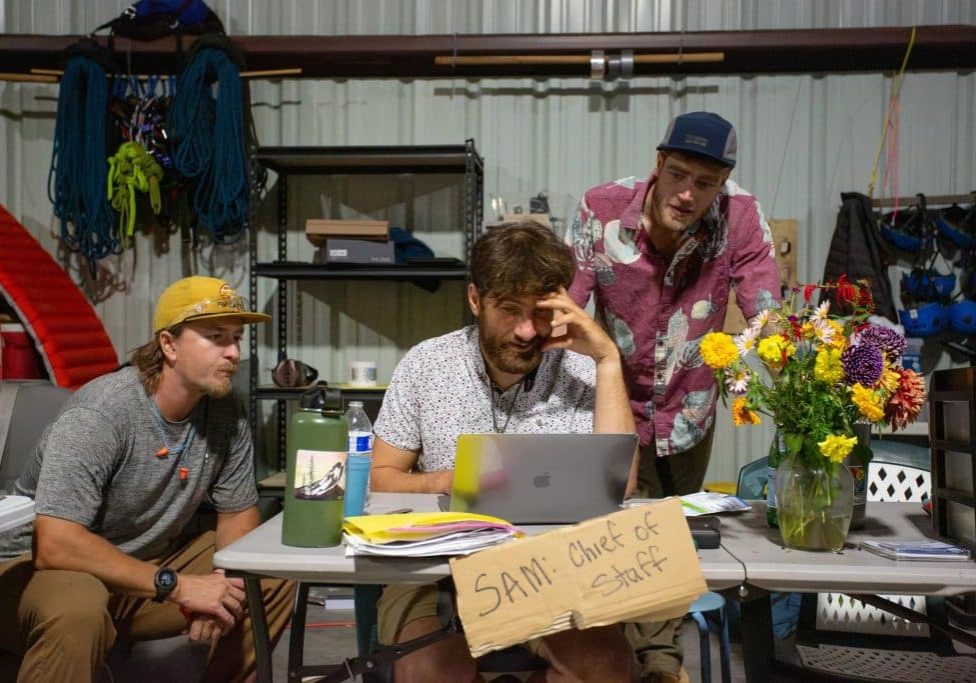
Neighbors Help Neighbors
A photo essay that celebrates the volunteer spirit of the grassroots group Hurricane Helene WNC and speaks to the resourcefulness, collaboration and hard work embodied by thousands and thousands of volunteers, first responders and aid workers across the region after Hurricane Helene.

Halloween Approaches, and Night School Is in Session
The House of Art in Bluefield, West Virginia, looks like a haunted tower, making it the perfect location for its sixth annual haunt event: Night School. The Night School will be open every Friday and Saturday night through Oct. 31.
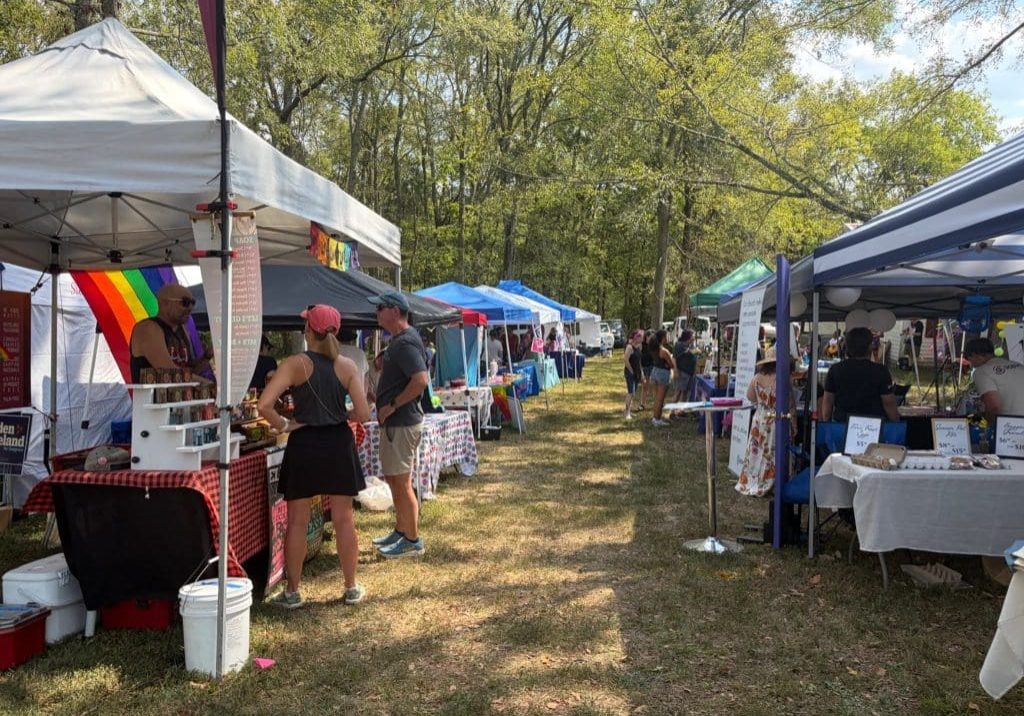
‘The Most Perfect Act of Love’
Hundreds of people attended the second annual Affirming Sumner Pride celebration on a 24-acre farm dubbed “Fruity Farm” in Bethpage, Sumner County, Tennessee.

Signs of Life: Endangered Bats Found in Nantahala for First Time in More Than a Decade
In the Nantahala National Forest, a team of biologists spotted Indiana bats, an endangered species that hasn’t been seen in North Carolina for the last 11 years.

‘First Line of Defense’
During Hurricane Helene and its aftermath, rural fire departments and other first responder hubs played critical roles in keeping their communities safe, even without power and cut off from outside support for days or weeks after the storm. Two years later, plenty of work remains to ensure these hubs have the resources they need to operate day to day and be ready when emergencies or natural disasters strike.

The Rocky Road — and Bridge — to Recovery
Hurricane Helene is estimated to have damaged nearly 7,000 private roads and bridges in Western North Carolina. Two years later, many restoration projects are complete, but the journey hasn’t been easy — and isn’t over for others.

Leave a comment
Your email address will not be published. Required fields are marked *
Leave a Comment