

Happy Birthday, Clean Water Act!

The Clean Water Act celebrated 40 years of protecting America’s waterways on Oct. 18. Appalachian Voices’ Red, White and Water campaign celebrated the success of this landmark legislation with the report, “The Clean Water Act at 40: Real People, Real Successes, Real Threats.”
The report highlights examples from around the Southeast that show how Clean Water Act programs have helped communities restore water quality in local waterways. The report also analyzes the voting record of the southern congressional delegations on recent anti-clean water bills.
“The Clean Water Act is creating jobs and economic benefits, restoring impaired fisheries and cleaning up famed whitewater tourism destinations,” says Sandra Diaz, coordinator of the Red, White and Water campaign with Appalachian Voices.
Highlights from the report include an oyster farm on the Chesapeake Bay, dairy farms in the Carolinas and a watershed polluted by coal mining in West Virginia.
When the Clean Water Act passed in 1972, all but one of 65 representatives from the southeastern states voted in support. But in the last two years, the region’s representatives have voted more often than not in favor of weakening clean water laws, as tallied in the report.
Through our Red, White and Water campaign, Appalachian Voices co-hosted a birthday party on Oct. 18 on Capitol Hill in conjunction with the Clean Water Network and others. Rep. Jim Moran of Virginia, a champion of protecting clean water laws, was on hand to cut the birthday cake.
Also present was Mike King, who was featured in the report; he spoke about how the Clean Water Act enabled him and his community to revive a waterway that runs behind his home in Montgomery, W. Va. Morris Creek went from being “orange and sometimes white, depending on what the coal company was doing, with a horrible smell of rotten eggs,” to a creek that now supports trout and other fish.
“We wanted to show that the Clean Water Act is helping real people so that decision-makers understand the consequences of weakening the Act,” says Diaz.
Related Articles
Latest News
More Stories

Halloween Approaches, and Night School Is in Session
The House of Art in Bluefield, West Virginia, looks like a haunted tower, making it the perfect location for its sixth annual haunt event: Night School. The Night School will be open every Friday and Saturday night through Oct. 31.
‘The Most Perfect Act of Love’
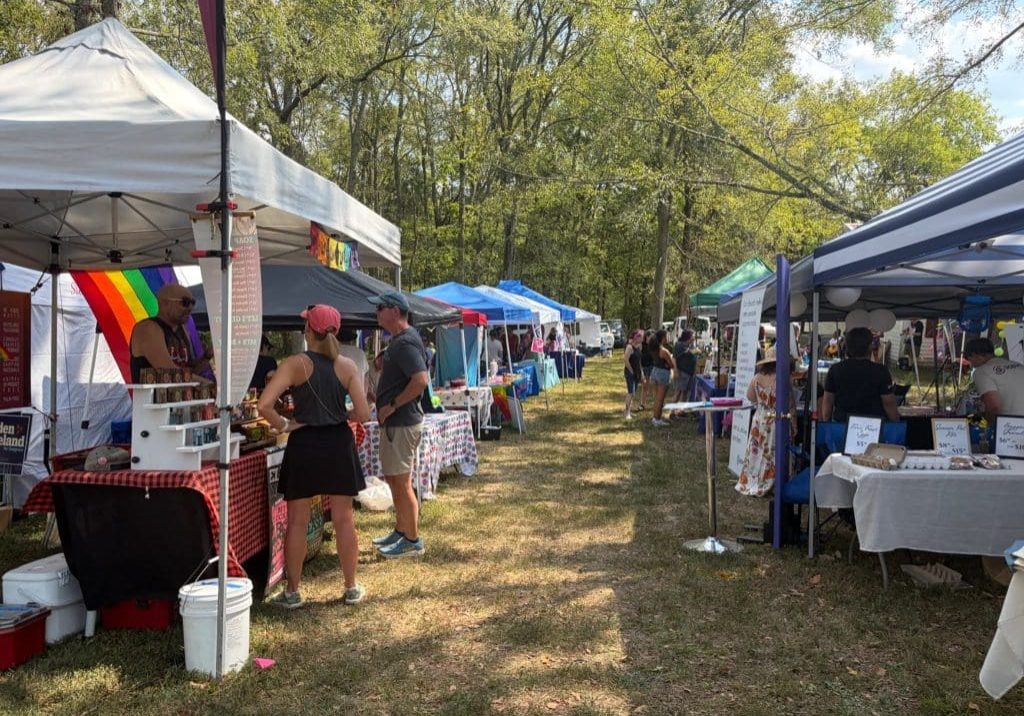
After losing its rural pride celebration, hundreds of people attended the second annual Affirming Sumner Pride celebration on a 24-acre farm dubbed “Fruity Farm” in Bethpage, Sumner County, Tennessee.

Signs of Life
In the Nantahala National Forest, a team of biologists spotted Indiana bats, an endangered species that hasn’t been seen in North Carolina for the last 11 years.

‘First Line of Defense’
During Hurricane Helene and its aftermath, rural fire departments and other first responder hubs played critical roles in keeping their communities safe, even without power and cut off from outside support for days or weeks after the storm. Two years later, plenty of work remains to ensure these hubs have the resources they need to operate day to day and be ready when emergencies or natural disasters strike.

The Rocky Road — and Bridge — to Recovery
Hurricane Helene is estimated to have damaged nearly 7,000 private roads and bridges in Western North Carolina. Two years later, many restoration projects are complete, but the journey hasn’t been easy — and isn’t over for others.
After 20 Years, Letcher County Prison Proposal Is Still Alive, Though Obstacles Remain
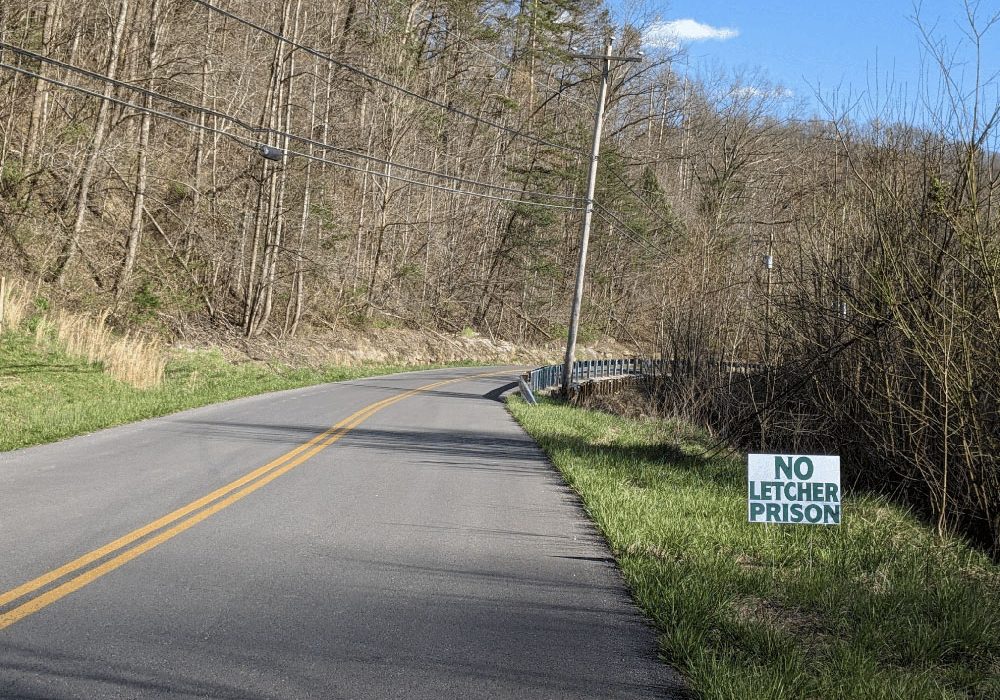
A $605 million proposal for a federal prison on a former strip mine site in Letcher County, Kentucky, championed by U.S. Rep. Hal Rogers, refuses to die, despite local opposition, a lack of support from the executive branch and numerous other obstacles.

Leave a comment
Your email address will not be published. Required fields are marked *
Leave a Comment