

By Molly Moore
Office of Surface Mining Director Joe Pizarchik made headlines in May when he sent a letter to Kentucky regulators warning that their failure to require appropriate reclamation bonds could lead to a federal takeover of all or part of Kentucky’s surface mining enforcement program.
Surface mining law allows states to enforce the law under federal oversight. When it comes to reclamation bonds, that means that states must require coal companies to post a bond equivalent to the cost of reclaiming mine sites. If the company reclaims a site according to permit requirements, they get their money back. If not, the bond provides the state with funds to come in and clean up the site — if the bond amount was sufficient.
Pizarchik’s letter follows several years of heightened federal oversight of Kentucky bonding practices. Kentucky agencies and OSM studied whether the state’s bond amounts are high enough to cover the cost of reclamation if a coal company forfeits.
The resulting reports revealed chronically low bond requirements. A 2008 oversight study found that, among sites where bonds were forfeited, four out of five bond amounts were inadequate.
Reports identified similar problems in 2009 and 2010. A 2011 study found that 18 of 22 forfeited bonds were too low to cover the cost of reclamation.
A separate state study looked at 39 forfeited bonds between January 2007 and May 2011 and found that 80 percent were inadequate.
In April and August of 2011, the Kentucky Department of Natural Resources proposed improvements to the bond system. OSM said both Kentucky proposals were a step forward, but didn’t go far enough to fix the problem. Kentucky bond calculations haven’t been adjusted since 1993.
With the letter, Pizarchik has set in motion a legal process known as Part 733, which allows the state to meet informally with OSM to discuss their differences. If talks fail to generate an agreement, OSM will hold a public hearing in Kentucky. If the problem is still unresolved, OSM can take over all or part of the state’s surface mining enforcement program.
Related Articles
Latest News
More Stories

Halloween Approaches, and Night School Is in Session
The House of Art in Bluefield, West Virginia, looks like a haunted tower, making it the perfect location for its sixth annual haunt event: Night School. The Night School will be open every Friday and Saturday night through Oct. 31.
‘The Most Perfect Act of Love’
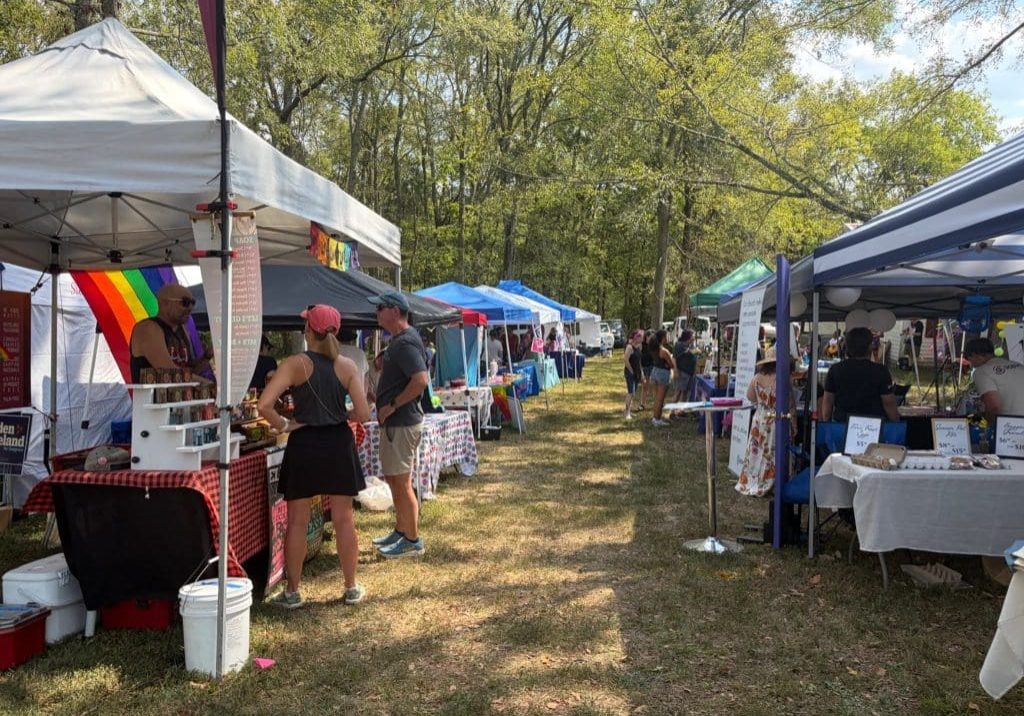
After losing its rural pride celebration, hundreds of people attended the second annual Affirming Sumner Pride celebration on a 24-acre farm dubbed “Fruity Farm” in Bethpage, Sumner County, Tennessee.

Signs of Life
In the Nantahala National Forest, a team of biologists spotted Indiana bats, an endangered species that hasn’t been seen in North Carolina for the last 11 years.

‘First Line of Defense’
During Hurricane Helene and its aftermath, rural fire departments and other first responder hubs played critical roles in keeping their communities safe, even without power and cut off from outside support for days or weeks after the storm. Two years later, plenty of work remains to ensure these hubs have the resources they need to operate day to day and be ready when emergencies or natural disasters strike.

The Rocky Road — and Bridge — to Recovery
Hurricane Helene is estimated to have damaged nearly 7,000 private roads and bridges in Western North Carolina. Two years later, many restoration projects are complete, but the journey hasn’t been easy — and isn’t over for others.
After 20 Years, Letcher County Prison Proposal Is Still Alive, Though Obstacles Remain
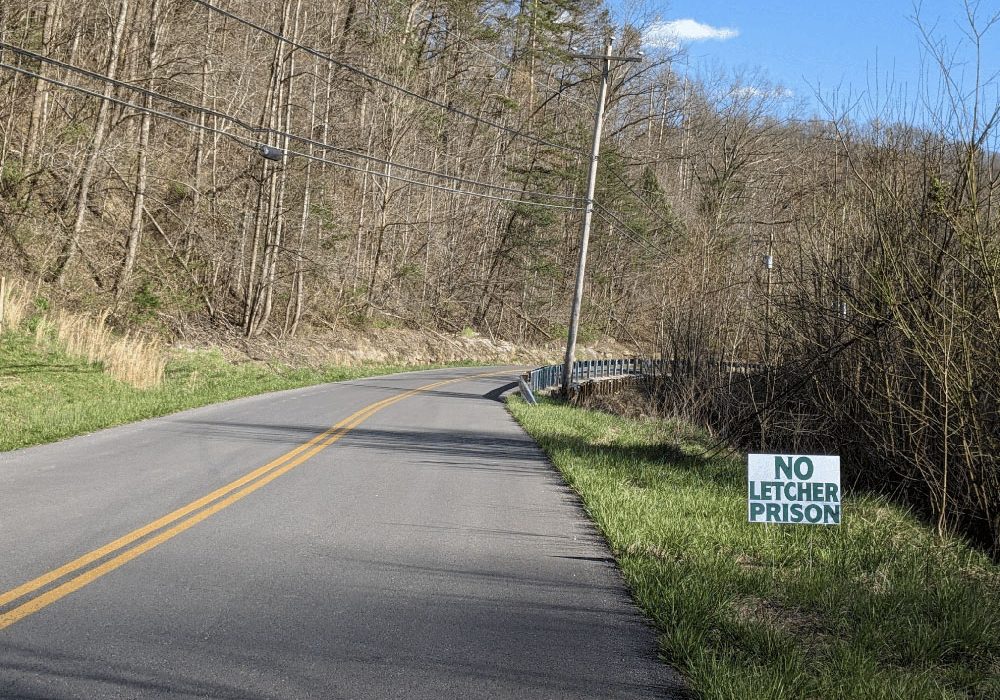
A $605 million proposal for a federal prison on a former strip mine site in Letcher County, Kentucky, championed by U.S. Rep. Hal Rogers, refuses to die, despite local opposition, a lack of support from the executive branch and numerous other obstacles.

Leave a comment
Your email address will not be published. Required fields are marked *
Leave a Comment