

Lenny Kohm Wins Outstanding Conservationist Award
By the AV Staff
On Friday, October 2, 2009, Lenny Kohm was awarded the Outstanding Conservationist Activist Award from Wild South’s Roosevelt-Ashe Society. A choice award given only when the committee deems someone worthy, the title is bestowed on individuals who “[deserve] recognition for their outstanding contribution to environmental conservation.”
In our way of looking at things, Lenny Kohm is the epitome of what a conservationist should be. He is a normal individual who was transformed and driven to work beyond exhaustion to save and protect the places that have shaken him to his core. After venturing to the Alaskan wilderness on a photography assignment, Lenny became so transfixed by the Arctic and its people, he could be seen wandering the tundra at at all hours, both night and day, taking photographs. His seemingly endless tundra ramblings earned him the name “little man that never sleeps” from the local Gwich’in Indian tribe.
Realizing that this last great frontier was threatened by devastating exploitation from oil companies, Lenny took to the road and traveled the United States for twenty years, advocating for the protection of the Arctic National Wildlife Refuge. Often traveling with members of the Gwich’in Indian Nation, Lenny and his companions would present to anyone that would listen. They spoke at churches, Rotary Clubs, auditoriums and living rooms. All in the name of protecting a truly pristine wilderness region and a unique native culture.
Lenny’s ardent activism took a new direction when he moved to the mountains of North Carolina and learned about the devastating practice of mountaintop removal coal mining in central and southern Appalachia. In the heart of his “retirement years,” he became Campaign Director for Appalachian Voices and began to apply the same techniques to this issue as he did to the Arctic—inspiring the local citizens to organize and engage their own voices in the political process to protect their land and communities.
A belief of Lenny’s is that those directly affected by an issue are the best storytellers, and the results prove him right. In the thirty years Lenny has been working on the Arctic Refuge, the area has not been drilled. In the seven years he has worked on mountaintop removal coal mining, he has helped secure more than 150 original co-sponsors of the Clean Water Protection Act and a number of co-sponsors on the new Senate companion, the Appalachia Restoration Act.
The list of Lenny’s accomplishments in environmental activism are long, but he prefers to stay out of the spotlight, so you’d never know he was even involved. Lenny’s personality and organizing philosophy revolve around helping other people use their voice rather than elevating his own. He has inspired hundreds of citizens to become activists.
One of the exemplary examples of his Lenny’s influence on others is Savannah Walters. After seeing his presentation, in which he stated that the amount of oil the Arctic would provide could be conserved if Americans simply kept their tires properly inflated, Savannah phoned Lenny. She had an idea of getting other kids to help check tire pressure on cars parked at a local mall. Lenny encouraged Savannah Walters to pursue the idea. Savannah now leads the Pump ‘Em Up Project, a program that has gotten hundreds of young people across the US to educate adults to “Pump ‘Em Up”to help save the Arctic Refuge.
Lenny has spoken with presidents, broken bread with coal miners, and played drums in a basement garage with Jimi Hendrix. He is both an honorary chief of the G’wichin Indians and the inspiration for an annual Lennystock rafting celebration. The staff of Appalachian Voices affectionately calls him ‘Yoda’ because his experiences are vast and his knowledge is like a deep pool, reflecting under the surface.
Congratulations, Lenny. You have our admiration, love, and respect.
– – – – – – – – – – – – –
Wild South is an environmental organization based in Asheville, N.C. that is dedicated to protecting the southeast’s native ecosystems. Their Roosevelt-Ashe Society’s Conservation Awards are an annual tradition of honoring the men, women, and local businesses whose contributions to outstanding environmental stewardship distinguish them as role models for the community. The giving society is named for President Theodore Roosevelt and Mr. William Willard Ashe, the first forester employed by the state of North Carolina. The awards issuance process was overseen by a committee independent of Wild South. For more information, visit www.wildsouth.org
Related Articles
Latest News
More Stories

Halloween Approaches, and Night School Is in Session
The House of Art in Bluefield, West Virginia, looks like a haunted tower, making it the perfect location for its sixth annual haunt event: Night School. The Night School will be open every Friday and Saturday night through Oct. 31.
‘The Most Perfect Act of Love’
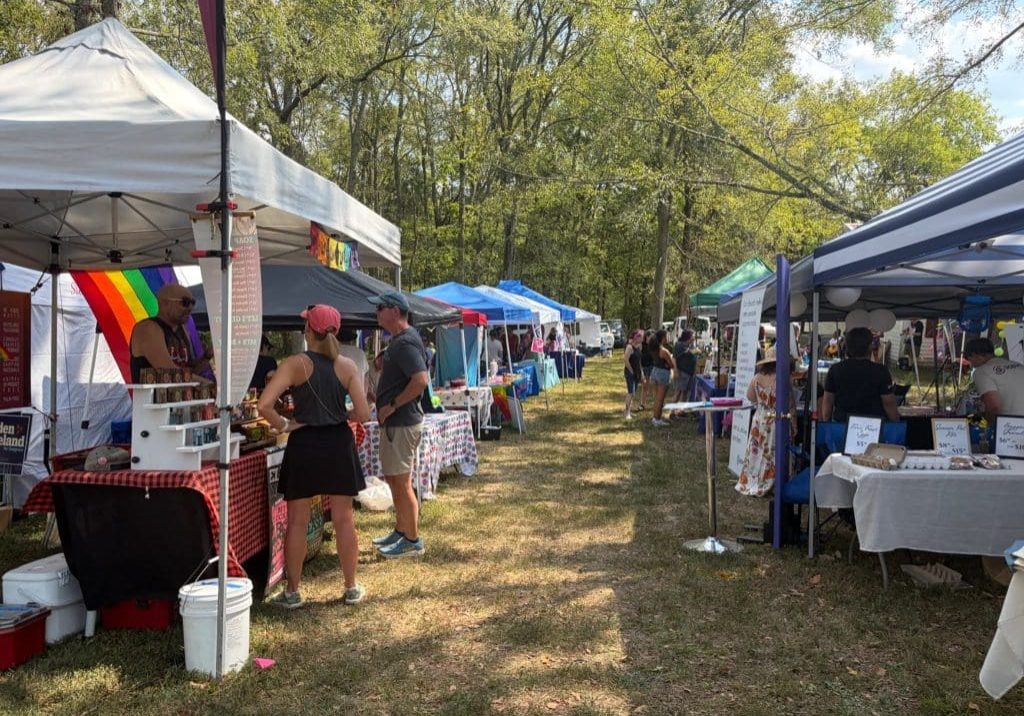
After losing its rural pride celebration, hundreds of people attended the second annual Affirming Sumner Pride celebration on a 24-acre farm dubbed “Fruity Farm” in Bethpage, Sumner County, Tennessee.
Signs of Life
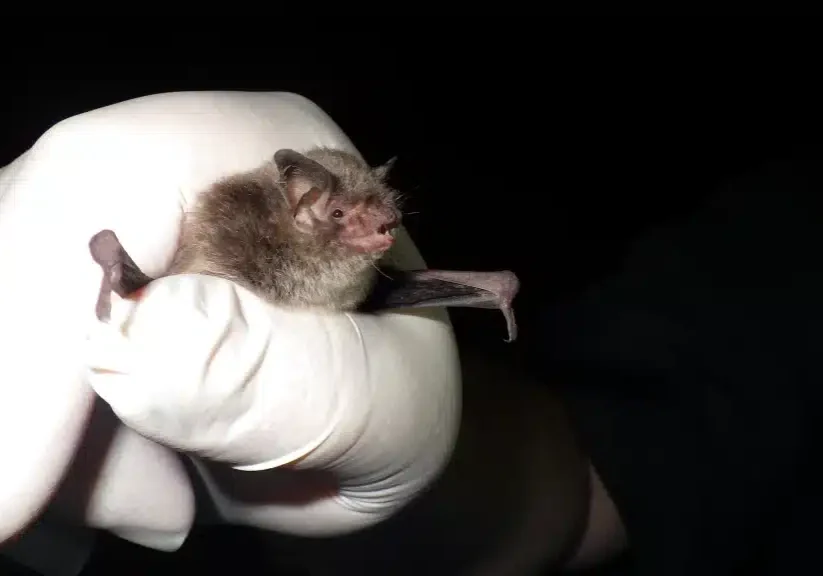
In the Nantahala National Forest, a team of biologists spotted Indiana bats, an endangered species that hasn’t been seen in North Carolina for the last 11 years.

‘First Line of Defense’
During Hurricane Helene and its aftermath, rural fire departments and other first responder hubs played critical roles in keeping their communities safe, even without power and cut off from outside support for days or weeks after the storm. Two years later, plenty of work remains to ensure these hubs have the resources they need to operate day to day and be ready when emergencies or natural disasters strike.
The Rocky Road — and Bridge — to Recovery
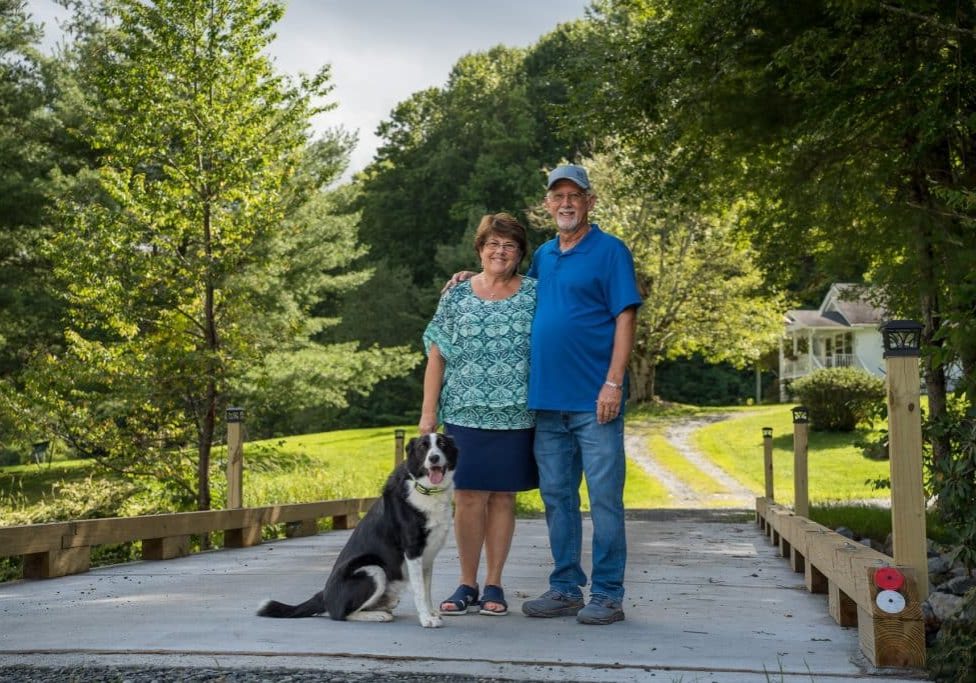
Hurricane Helene is estimated to have damaged nearly 7,000 private roads and bridges in Western North Carolina. Two years later, many restoration projects are complete, but the journey hasn’t been easy — and isn’t over for others.
After 20 Years, Letcher County Prison Proposal Is Still Alive, Though Obstacles Remain
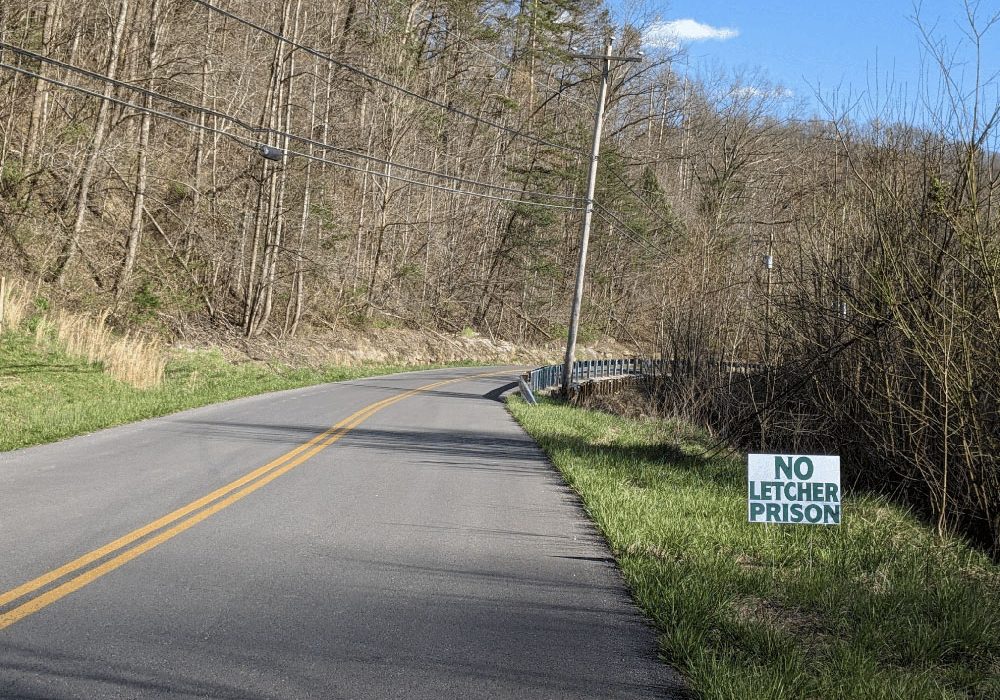
A $605 million proposal for a federal prison on a former strip mine site in Letcher County, Kentucky, championed by U.S. Rep. Hal Rogers, refuses to die, despite local opposition, a lack of support from the executive branch and numerous other obstacles.

Leave a comment
Your email address will not be published. Required fields are marked *
Leave a Comment