

Serena: Historical Fiction with a Taste for Blood (and Timber)
 By Sarah Vig
Set in the mountains of North Carolina during the early years of the Great Depression, the landscape of Ron Rash’s “Serena” (Harper Collins, $24.95) is at once familiar and foreign.
Serena is the new bride of timber baron George Pemberton–she is anything but!
Smart, beautiful, and fiercely independent at a time when most women are decidedly not so, in a different novel she might be a likeable character.
Pemberton’s business at the time left no tree standing as a matter of course. So while the mountain ridges and small Appalachian communities could just as soon be set now as then, the denuded slopes remove that timeless quality from the setting and imbue an eerie feeling of iniquity.
The drama of the Pembertons’ timber take-all is countered by the loosely historical sequence of events leading up to the creation of the Great Smoky Mountains National Park, which becomes a welcome doomsday clock of sorts for the Pembertons’ seemingly limitless thirst for natural resources at any cost.
Though at first it seems Serena will play second fiddle to her husband’s ruthlessness—he murders a man in public within the first few pages—she quickly steps up her game. Like the old-growth forests she and her husband are clear-cutting, Serena overtakes the landscape of the novel by eliminating everything around her.
By the end of the novel, Serena is almost a caricature of evil, a sort of Cruella DeVille of timber. And yet, while most of the novel’s events are fictitious, it is always apparent that the timbering actually happened. Perhaps Rash chose his setting and created this character in order to try and imagine a person whose greed and ambition were so great they could justify the destruction of such beauty.
In the end, “Serena” is a drama of passion, greed, ambition, love and betrayal that is more than just a good story, though it is that; it is an evocation of a time, a place and a people and an interrogation of morality and justice.
Related Articles
Latest News
More Stories

Signs of Life
In the Nantahala National Forest, a team of biologists spotted Indiana bats, an endangered species that hasn’t been seen in North Carolina for the last 11 years.

‘First Line of Defense’
During Hurricane Helene and its aftermath, rural fire departments and other first responder hubs played critical roles in keeping their communities safe, even without power and cut off from outside support for days or weeks after the storm. Two years later, plenty of work remains to ensure these hubs have the resources they need to operate day to day and be ready when emergencies or natural disasters strike.

The Rocky Road — and Bridge — to Recovery
Hurricane Helene is estimated to have damaged nearly 7,000 private roads and bridges in Western North Carolina. Two years later, many restoration projects are complete, but the journey hasn’t been easy — and isn’t over for others.
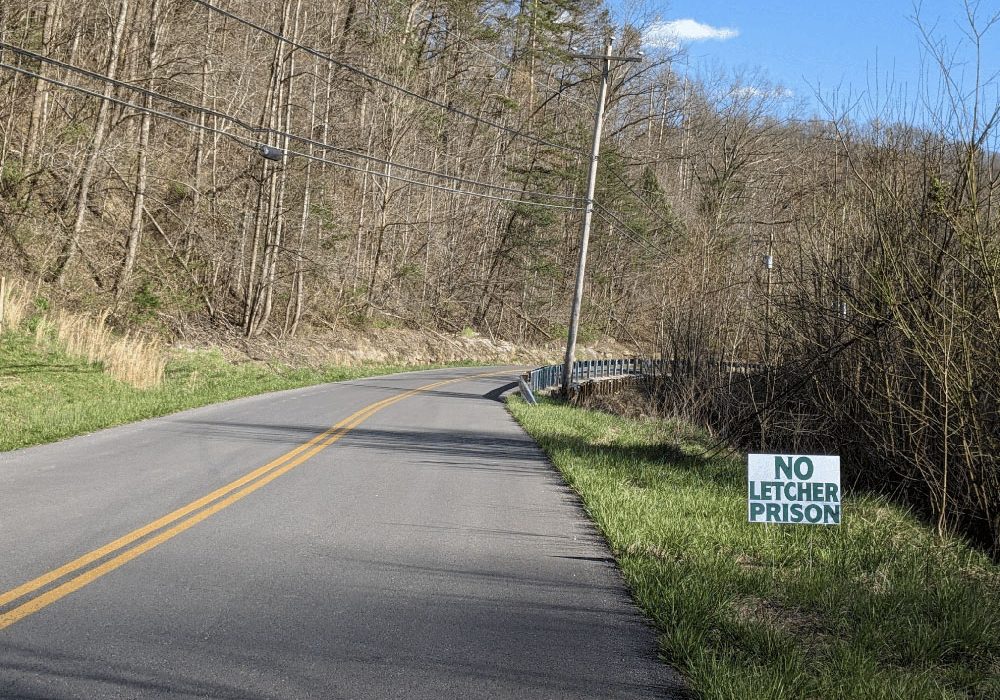
After 20 Years, Letcher County Prison Proposal Is Still Alive, Though Obstacles Remain
A $605 million proposal for a federal prison on a former strip mine site in Letcher County, Kentucky, championed by U.S. Rep. Hal Rogers, refuses to die, despite local opposition, a lack of support from the executive branch and numerous other obstacles.
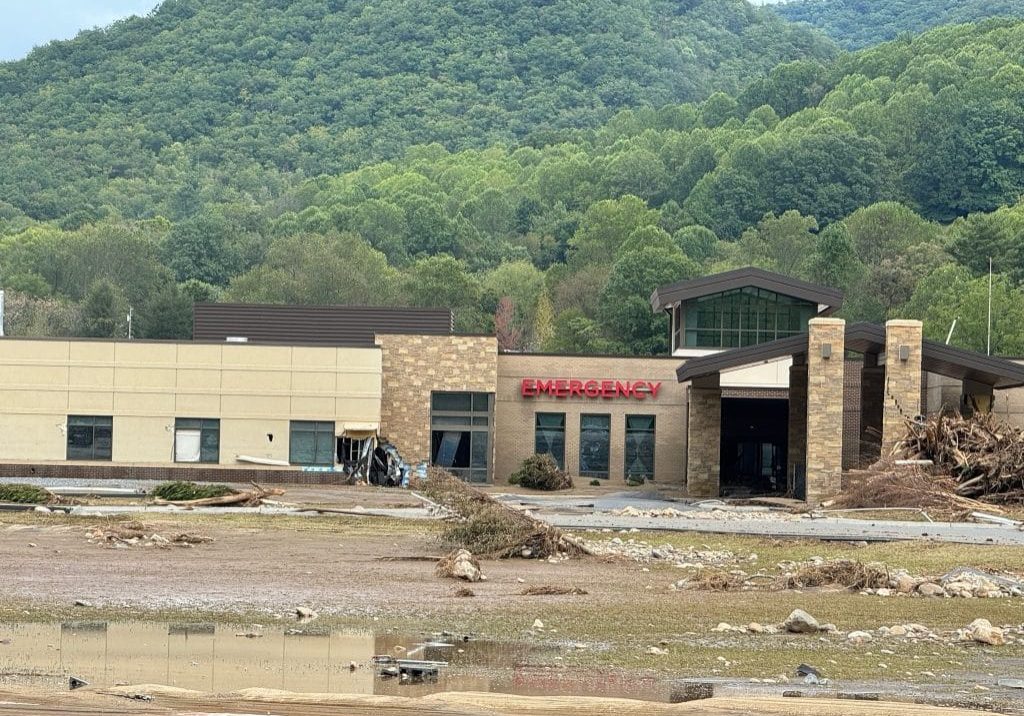
The Washout and Rebuild
For nearly two years, residents of Unicoi County, Tennessee, have had to make do without a hospital after Hurricane Helene destroyed the rural hospital. Ballad Health, which owns the hospital, broke ground on a new location — in another floodplain — in August 2026.

The Shenandoah Salamander
The Shenandoah salamander is a woodland salamander, which has adapted to life at higher elevations away from water. This sparkling rarity lives among the dry leaves, cracked logs, and stony hillocks on the highest peaks of Shenandoah National Park.

Leave a comment
Your email address will not be published. Required fields are marked *
Leave a Comment