

Something’s Rising
Appalachians Against Mountaintop Removal
Editor’s Note: In this issue, we would like to introduce what we hope will become a regular feature in this publication, the Appalachian Voice Book Club. Every issue, we will select a book, provide you with a short review and questions to guide your reading and discussion, and point you to resources where you can learn more about the topics the book addresses. Throughout the course of this feature, we hope to cover all genres of literature and read authors from across the Appalachian region. We also hope this feature will encourage you to start your own book clubs that explore environmental issues and the literary treasures of the region. Enjoy!
– – – – –
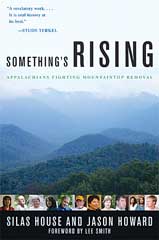 Authors Silas House and Jason Howard, both natives of Eastern Kentucky, describe themselves as “children of [the] war [against mountaintop removal] and children of Applachia.” Their past and their passions inform them as they explore a tragedy through its victims in their collaborative endeavor, Something’s Rising, an intensely personal and frequently moving series of narratives of fellow Appalachians. The book is part oral history, part ecological education with elements of both the literary and the scholarly.
Each chapter profiles an Appalachian engaged in the fight against mountaintop removal mining. House and Howard attempt to provide the most complete sense of each unique individual by giving the reader a sort of “character study” at the beginning of each chapter, an intricately assembled mix of personal history, snippets of interview and small details of personality. These sections allow the reader to have a fuller sense of the person before reading their unfiltered words, and to experience the tenderness and kinship the authors feel with each individual they have chosen to profile, whether they are famous musicians like Jean Ritchie or Kathy Mattea or old friends like Anne Shelby and Jessie Lynne Keltner, sisters who perform in a band, Public Outcry, with the two authors.
– – – – –
Review by Sarah Vig
Related Articles
Latest News
More Stories

Halloween Approaches, and Night School Is in Session
The House of Art in Bluefield, West Virginia, looks like a haunted tower, making it the perfect location for its sixth annual haunt event: Night School. The Night School will be open every Friday and Saturday night through Oct. 31.
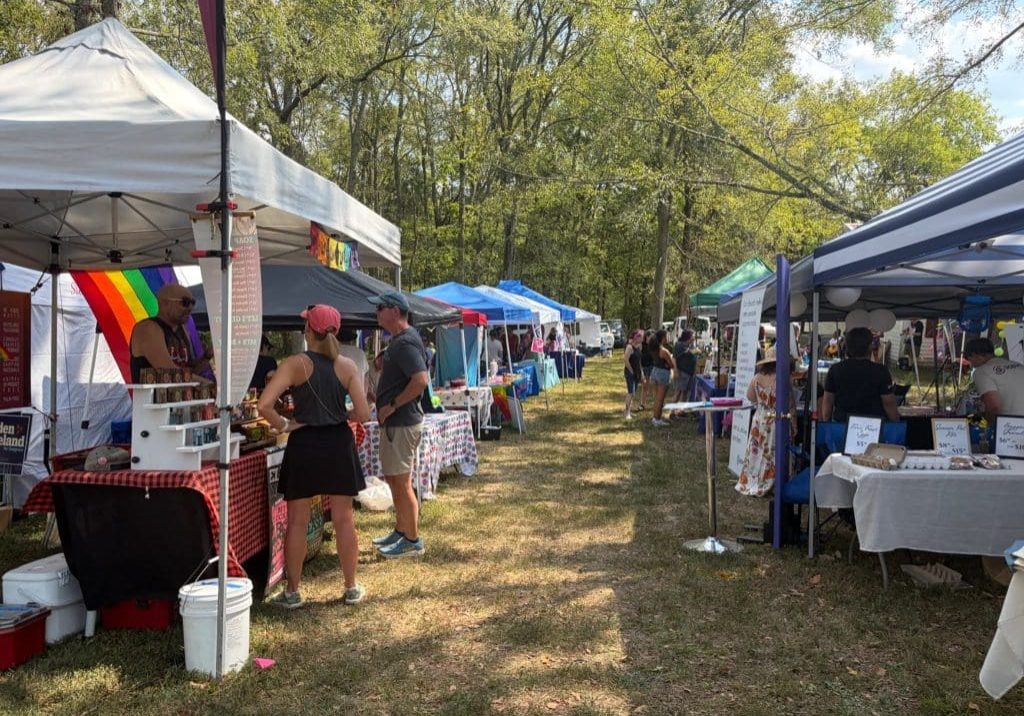
‘The Most Perfect Act of Love’
After losing its rural pride celebration, hundreds of people attended the second annual Affirming Sumner Pride celebration on a 24-acre farm dubbed “Fruity Farm” in Bethpage, Sumner County, Tennessee.

Signs of Life
In the Nantahala National Forest, a team of biologists spotted Indiana bats, an endangered species that hasn’t been seen in North Carolina for the last 11 years.

‘First Line of Defense’
During Hurricane Helene and its aftermath, rural fire departments and other first responder hubs played critical roles in keeping their communities safe, even without power and cut off from outside support for days or weeks after the storm. Two years later, plenty of work remains to ensure these hubs have the resources they need to operate day to day and be ready when emergencies or natural disasters strike.

The Rocky Road — and Bridge — to Recovery
Hurricane Helene is estimated to have damaged nearly 7,000 private roads and bridges in Western North Carolina. Two years later, many restoration projects are complete, but the journey hasn’t been easy — and isn’t over for others.
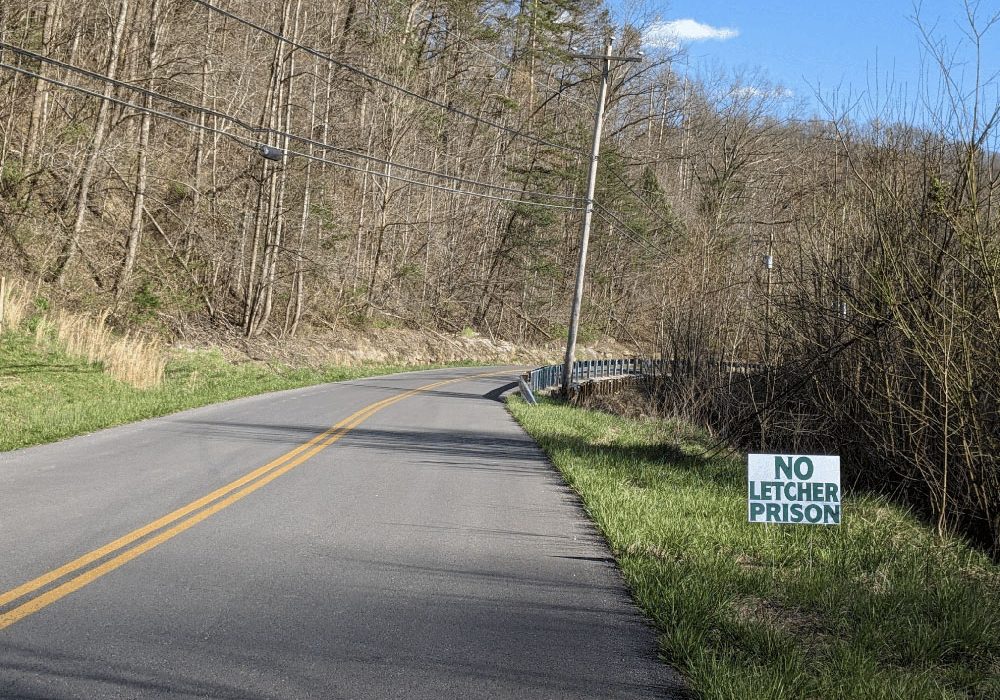
After 20 Years, Letcher County Prison Proposal Is Still Alive, Though Obstacles Remain
A $605 million proposal for a federal prison on a former strip mine site in Letcher County, Kentucky, championed by U.S. Rep. Hal Rogers, refuses to die, despite local opposition, a lack of support from the executive branch and numerous other obstacles.

Leave a comment
Your email address will not be published. Required fields are marked *
Leave a Comment