

Appalachian Voices’ Attorney Puts Duke CEO Jim Rogers in The Hot Seat
While several dozen people were outside Duke Energy headquarters protesting CEO Jim Rogers’ decision to construct new coal-fired power plants in North Carolina and Indiana, Scott Gollwitzer, Appalachian Voices’ In-house Counsel, was inside asking questions at the annual shareholders’ meeting.
When it was his turn, Gollwitzer briefly described the devastating social and environmental impacts of mountaintop removal coal mining for those present. According to Gollwitzer, approximately 50 percent of Duke’s coal is extracted by mountaintop removal process because it is allegedly less expensive than other Central Appalachian coal.
Then Gollwitzer mused, “I think everyone in this room would agree that just because something is legal, say slavery, doesn’t make it moral. I ask you then—and this is a yes or no question—just because mountaintop removal is legal, is it moral to burn it to maximize profits when alternative sources of central Appalachian coal are available at comparable prices?”
Rogers answered that “Duke will be looking to move away from mountaintop removal coal mining as its existing coal purchasing contracts expire.” He also expects “increased regulation of mountaintop removal from Washington, D.C.”
“So it’s neither moral or immoral?” pressed Gollwitzer. “It was a yes or no question.”
“For us it’s a little bit of a balancing act, but I think you’re on the right side of this issue,” replied Rogers. “It’s not sustainable.”
“Jim Rogers has all but admitted that burning mountaintop removal coal is immoral. This is a huge step in ending the destruction of the people, communities and ecosystems of central Appalachia,” said Gollwitzer after the meeting. “Honestly, I was flummoxed by his candor because Duke has been working to scuttle state legislation that would prohibit the purchase of mountaintop removal coal.”
The legislation Gollwitzer refers to, the Appalachian Mountains Preservation Act, would prohibit North Carolina’s investor-owned utilities from renewing their contracts for mountaintop removal-mined coal.
Related Articles
Latest News
More Stories

Halloween Approaches, and Night School Is in Session
The House of Art in Bluefield, West Virginia, looks like a haunted tower, making it the perfect location for its sixth annual haunt event: Night School. The Night School will be open every Friday and Saturday night through Oct. 31.

‘The Most Perfect Act of Love’
After losing its rural pride celebration, hundreds of people attended the second annual Affirming Sumner Pride celebration on a 24-acre farm dubbed “Fruity Farm” in Bethpage, Sumner County, Tennessee.

Signs of Life
In the Nantahala National Forest, a team of biologists spotted Indiana bats, an endangered species that hasn’t been seen in North Carolina for the last 11 years.

‘First Line of Defense’
During Hurricane Helene and its aftermath, rural fire departments and other first responder hubs played critical roles in keeping their communities safe, even without power and cut off from outside support for days or weeks after the storm. Two years later, plenty of work remains to ensure these hubs have the resources they need to operate day to day and be ready when emergencies or natural disasters strike.

The Rocky Road — and Bridge — to Recovery
Hurricane Helene is estimated to have damaged nearly 7,000 private roads and bridges in Western North Carolina. Two years later, many restoration projects are complete, but the journey hasn’t been easy — and isn’t over for others.
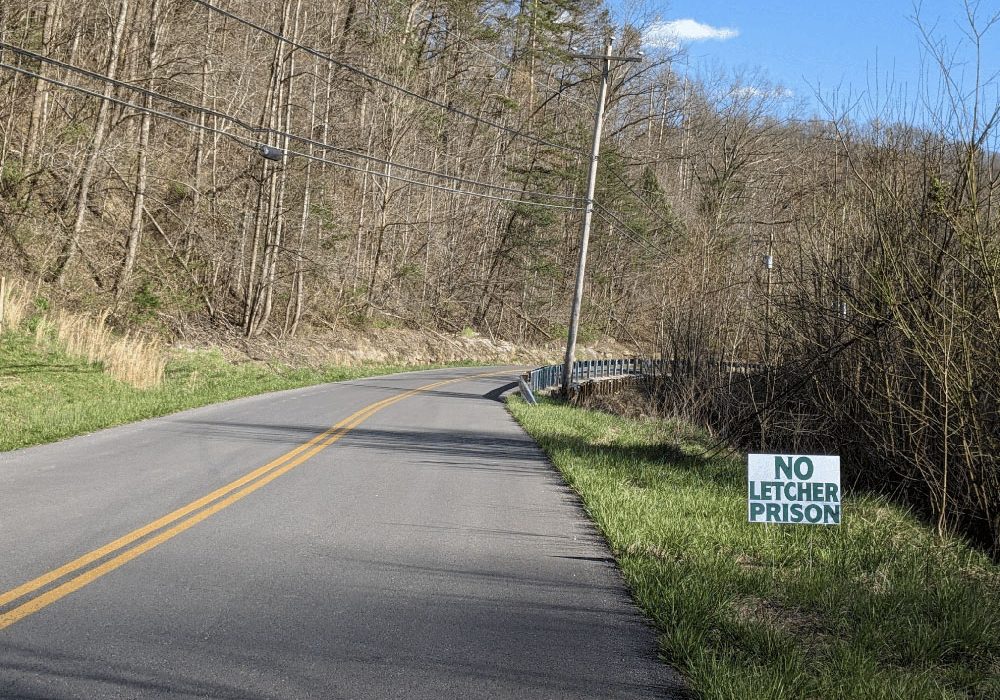
After 20 Years, Letcher County Prison Proposal Is Still Alive, Though Obstacles Remain
A $605 million proposal for a federal prison on a former strip mine site in Letcher County, Kentucky, championed by U.S. Rep. Hal Rogers, refuses to die, despite local opposition, a lack of support from the executive branch and numerous other obstacles.

Leave a comment
Your email address will not be published. Required fields are marked *
Leave a Comment