

How Green is your Campus?
 There are many ways to find out how green your school is. The US EPA has a green power challenge for colleges, and Princeton Review has a rating system.
There are also a dozen ways to make your school greener. And there are new funding initiatives through the Dept. of Education for financing green initiatives at the college and K-12 school level.
Going green?
• Organize — Find groups on campus at www.climatechallenge.org
• Create a symbol — For example, Appalachian State University’s solar Christmas tree.
• President’s Climate Commitment — Ask your university president to sign the Climate Commitment
• Institute Green fees — A green fee of $5 to $20 is part of the student activities fees in hundreds of colleges, funding recycling bins, building conservation, biodiesel fueling and many other programs.
• Hold Eco-Olympics — Duke university holds one every year for energy, waste and water reduction — www.duke.edu/web/env_alliance/games
• Sign up for courses in renewable energy — and sustainability.
• Ask your university to join the Association for the Advancement of Sustainability in Higher Education (AASHE).
• Create an office of sustainability — This has become standard on campuses. The AASHE has standards and guildelines.
• Buy green power — Its possible now to buy power from renewable sources.
• Buy green products — Everything from recycled paper to regionally grown food.
• Build green buildings — The Leadership in Energy and Environmental Design (LEED) Green Building Rating System is a national standard. Green buildings on campus save money and also serve as an educational example.
Top 10 Green Colleges
Top 10 Green Colleges * From ratings by Princeton Review for NC, VA, TN and KY.
Resources
www.presidentsclimatecommitment.org
www.aashe.org
www.usgbc.org
www.epa.gov/greenpower/partners/hi_ed_challenge.htm
Related Articles
Latest News
More Stories

Halloween Approaches, and Night School Is in Session
The House of Art in Bluefield, West Virginia, looks like a haunted tower, making it the perfect location for its sixth annual haunt event: Night School. The Night School will be open every Friday and Saturday night through Oct. 31.
‘The Most Perfect Act of Love’
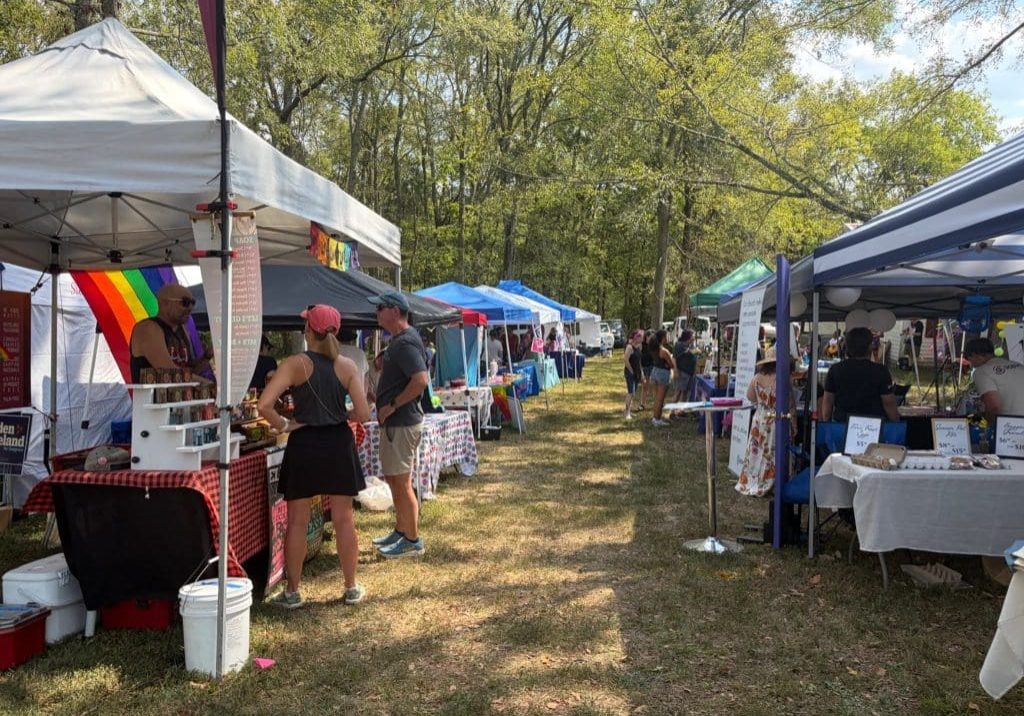
After losing its rural pride celebration, hundreds of people attended the second annual Affirming Sumner Pride celebration on a 24-acre farm dubbed “Fruity Farm” in Bethpage, Sumner County, Tennessee.

Signs of Life
In the Nantahala National Forest, a team of biologists spotted Indiana bats, an endangered species that hasn’t been seen in North Carolina for the last 11 years.

‘First Line of Defense’
During Hurricane Helene and its aftermath, rural fire departments and other first responder hubs played critical roles in keeping their communities safe, even without power and cut off from outside support for days or weeks after the storm. Two years later, plenty of work remains to ensure these hubs have the resources they need to operate day to day and be ready when emergencies or natural disasters strike.

The Rocky Road — and Bridge — to Recovery
Hurricane Helene is estimated to have damaged nearly 7,000 private roads and bridges in Western North Carolina. Two years later, many restoration projects are complete, but the journey hasn’t been easy — and isn’t over for others.
After 20 Years, Letcher County Prison Proposal Is Still Alive, Though Obstacles Remain
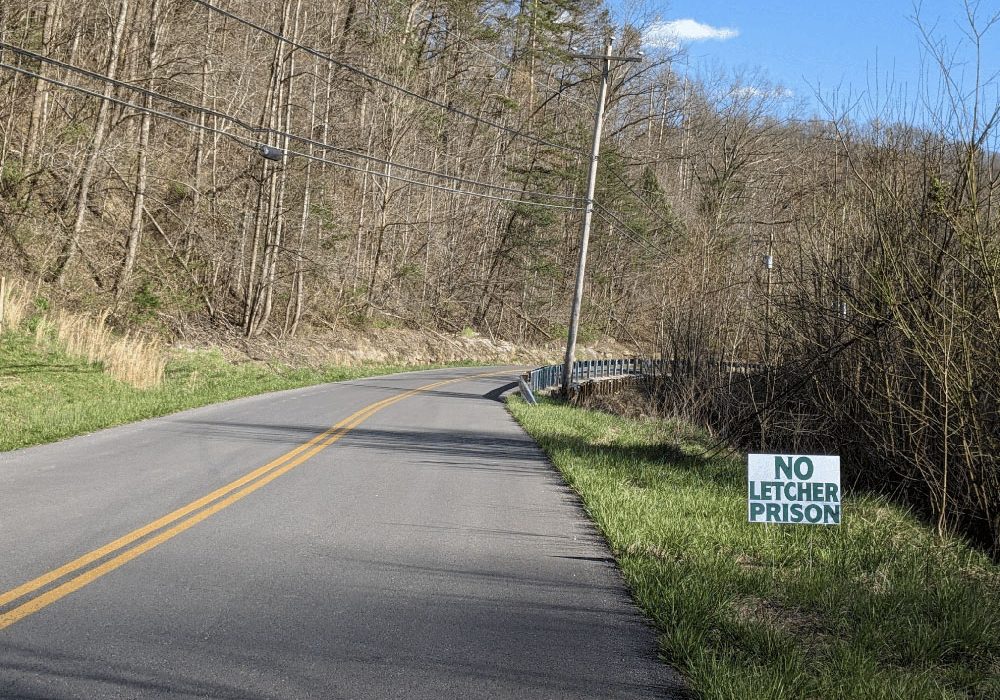
A $605 million proposal for a federal prison on a former strip mine site in Letcher County, Kentucky, championed by U.S. Rep. Hal Rogers, refuses to die, despite local opposition, a lack of support from the executive branch and numerous other obstacles.

Leave a comment
Your email address will not be published. Required fields are marked *
Leave a Comment