

Happy Birthday, Clean Water Act!

The Clean Water Act celebrated 40 years of protecting America’s waterways on Oct. 18. Appalachian Voices’ Red, White and Water campaign celebrated the success of this landmark legislation with the report, “The Clean Water Act at 40: Real People, Real Successes, Real Threats.”
The report highlights examples from around the Southeast that show how Clean Water Act programs have helped communities restore water quality in local waterways. The report also analyzes the voting record of the southern congressional delegations on recent anti-clean water bills.
“The Clean Water Act is creating jobs and economic benefits, restoring impaired fisheries and cleaning up famed whitewater tourism destinations,” says Sandra Diaz, coordinator of the Red, White and Water campaign with Appalachian Voices.
Highlights from the report include an oyster farm on the Chesapeake Bay, dairy farms in the Carolinas and a watershed polluted by coal mining in West Virginia.
When the Clean Water Act passed in 1972, all but one of 65 representatives from the southeastern states voted in support. But in the last two years, the region’s representatives have voted more often than not in favor of weakening clean water laws, as tallied in the report.
Through our Red, White and Water campaign, Appalachian Voices co-hosted a birthday party on Oct. 18 on Capitol Hill in conjunction with the Clean Water Network and others. Rep. Jim Moran of Virginia, a champion of protecting clean water laws, was on hand to cut the birthday cake.
Also present was Mike King, who was featured in the report; he spoke about how the Clean Water Act enabled him and his community to revive a waterway that runs behind his home in Montgomery, W. Va. Morris Creek went from being “orange and sometimes white, depending on what the coal company was doing, with a horrible smell of rotten eggs,” to a creek that now supports trout and other fish.
“We wanted to show that the Clean Water Act is helping real people so that decision-makers understand the consequences of weakening the Act,” says Diaz.
Related Articles
Latest News
More Stories

English Language Learning in Appalachia
Learning English is always difficult. But current aggressive approaches to immigration policy are creating more barriers for learners and the programs that serve them than ever before in Appalachia and beyond.

Landfill Drama
Many residents of Pike County, Kentucky, are breathing a sigh of relief since county commissioners finalized their decision to rescind a contract with an out-of-state waste management company.
Overdrive: Fossil Fuels in Appalachia
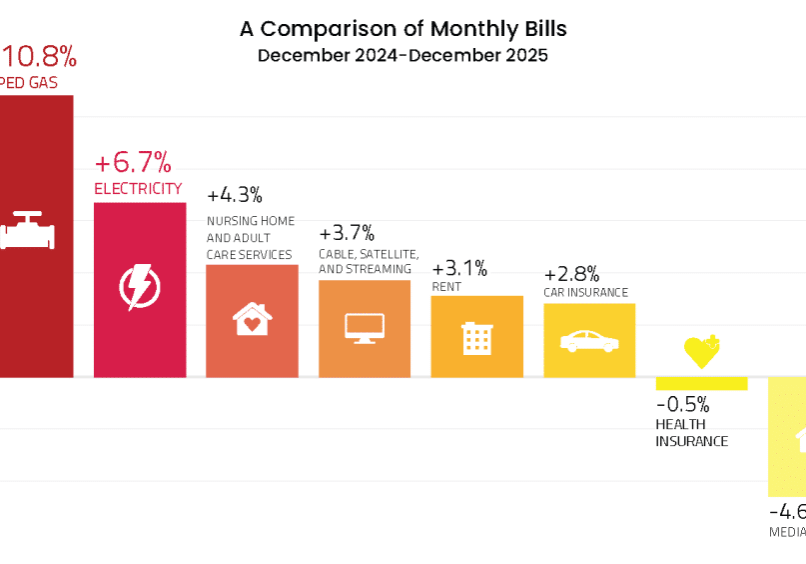
Electricity demand is on the rise. Here, we share snapshots of energy trends in the region and how methane gas, coal and data centers are affecting our communities — and how people are pushing back.
Less Support for Communities with Mine Problems
The Trump administration issued a regulation to weaken the Ten Day Notice process that helps community members call in federal enforcement when state regulators don’t do a good job policing environmental problems at coal mines
Chaos at the Tennessee Valley Authority, Cuts to Public Input
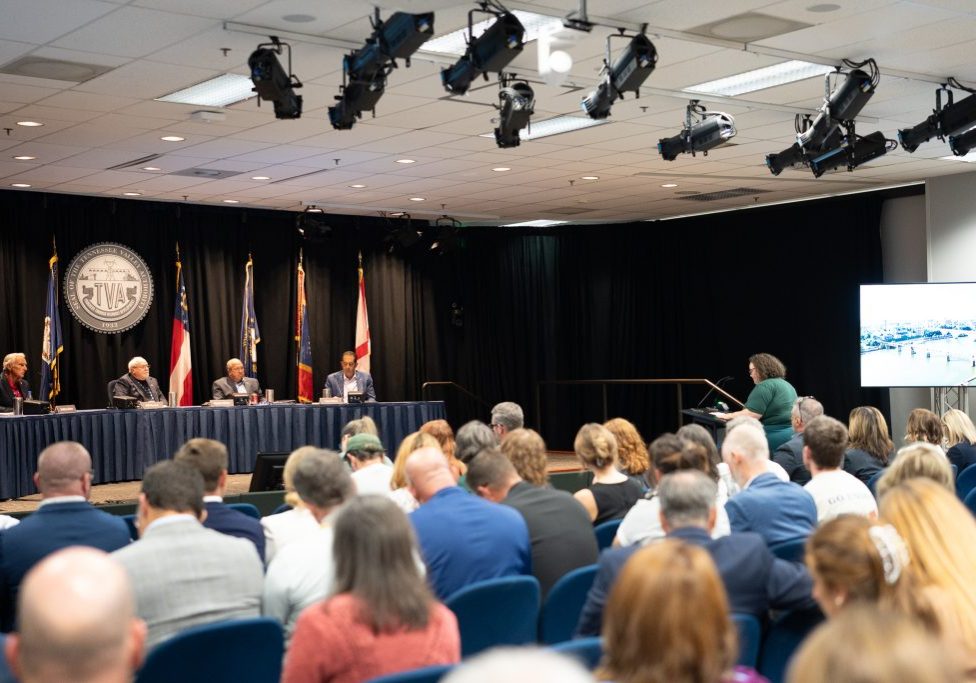
The past year has brought turmoil and uncertainty to the Tennessee Valley Authority, the nation’s largest public power provider, and its more than 10 million customers across the Tennessee Valley.

Landmark Coal Ash Protections Under Attack
The U.S. Environmental Protection Agency is planning to eviscerate important, hard-won regulations on coal ash, a toxic waste left after burning coal for energy.

Leave a comment
Your email address will not be published. Required fields are marked *
Leave a Comment