

Ella Rose
In her many hours of looking out the window of her home in rural Buckingham County, Va., Ella Rose has yet to spot the black bear. Her neighbors have seen it, so she knows it’s there. She spies wild turkey, deer, an occasional fox and all manner of birds. Watching the wildlife is a great joy for her, but it may soon come to an end.

Ella Rose. Photo by Cat McCue
“If that compressor ever blows, it’s going to take us all to Kingdom Come,” she says.
Ella, 74, grew up in adjacent Nelson County, and went to Washington, D.C., to attend one of the first black business colleges in the country, hoping to become a secretary. She ended up working at a D.C. restaurant for 26 years, and another 21 years in food service at the Bolling Air Force Base.
She had always planned on returning to the Virginia countryside to retire in peace and quiet. In 2012, she moved into the modest home on 1.9 acres she had purchased years before. Just two years later, Ella learned about the giant fracked-gas pipeline and compressor station headed her way. And then came plans for a major telecommunications tower near her home as part of the project.
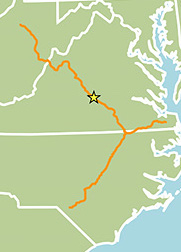
Ella Rose’s location in the path of the Atlantic Coast Pipeline.
“I want to do other things without worrying about how they’re going to contaminate my water and how am I going to be able to breathe when I get older.”
She suspects Dominion chose her small, predominantly African-American community purposefully. “I guess they were anticipating nobody speaking up,” she says.
They were wrong. Ella — and other community members — has become a staunch advocate for stopping the project. She attends monthly meetings of Friends of Buckingham, a local group formed to oppose the gas infrastructure and preserve the natural and cultural resources of the county, and has attended countless government meetings.
“It seems clear the voices of Union Hill have been ignored throughout this entire process. Our lives count too, and they should not be sacrificed in favor of financial interest,” she says.
In March, the company told Ella they were going to start cutting trees near her, and she soon heard the buzz of chainsaws in the woods.
“They’re running all the animals out of there,” she says. “I don’t like the idea they can infringe on you. I wasn’t expecting this. This is not the plan I had for my retirement.” – By Cat McCue
Related Articles
Latest News
More Stories

‘First Line of Defense’
During Hurricane Helene and its aftermath, rural fire departments and other first responder hubs played critical roles in keeping their communities safe, even without power and cut off from outside support for days or weeks after the storm. Two years later, plenty of work remains to ensure these hubs have the resources they need to operate day to day and be ready when emergencies or natural disasters strike.

The Rocky Road — and Bridge — to Recovery
Hurricane Helene is estimated to have damaged nearly 7,000 private roads and bridges in Western North Carolina. Two years later, many restoration projects are complete, but the journey hasn’t been easy — and isn’t over for others.
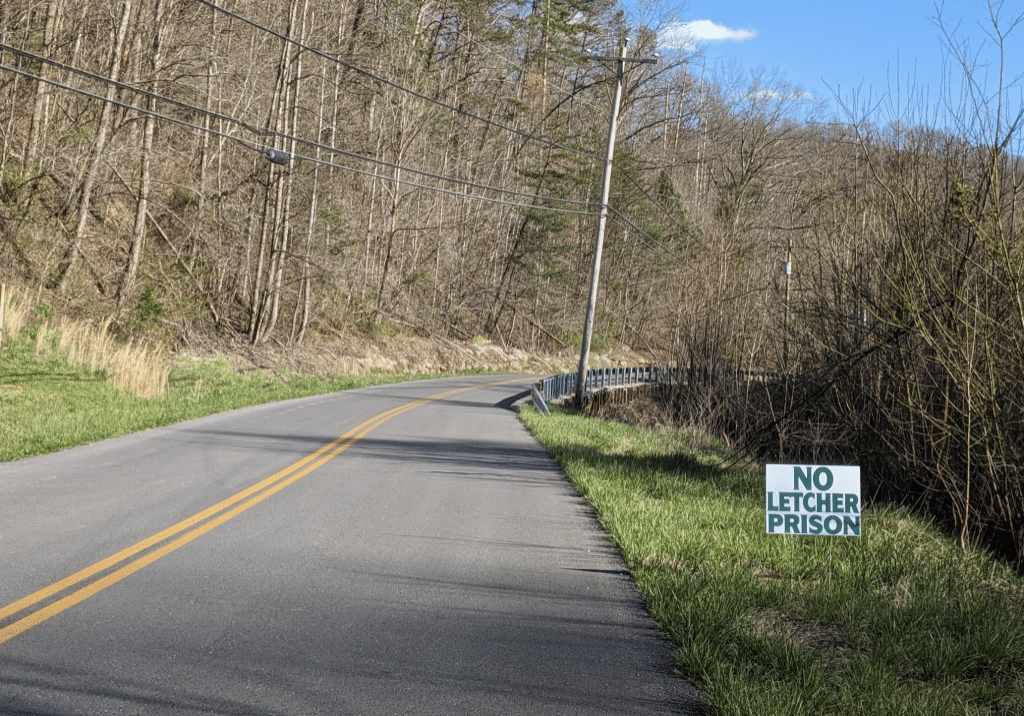
After 20 Years, Letcher County Prison Proposal Is Still Alive, Though Obstacles Remain
A $605 million proposal for a federal prison on a former strip mine site in Letcher County, Kentucky, championed by U.S. Rep. Hal Rogers, refuses to die, despite local opposition, a lack of support from the executive branch and numerous other obstacles.
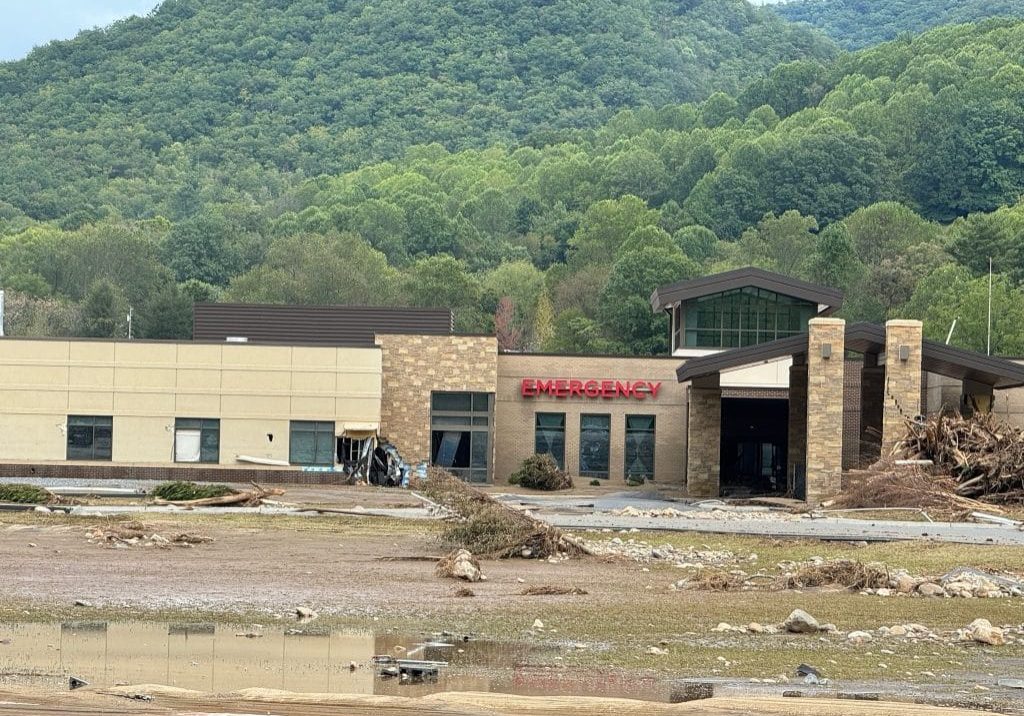
The Washout and Rebuild
For nearly two years, residents of Unicoi County, Tennessee, have had to make do without a hospital after Hurricane Helene destroyed the rural hospital. Ballad Health, which owns the hospital, broke ground on a new location — in another floodplain — in August 2026.
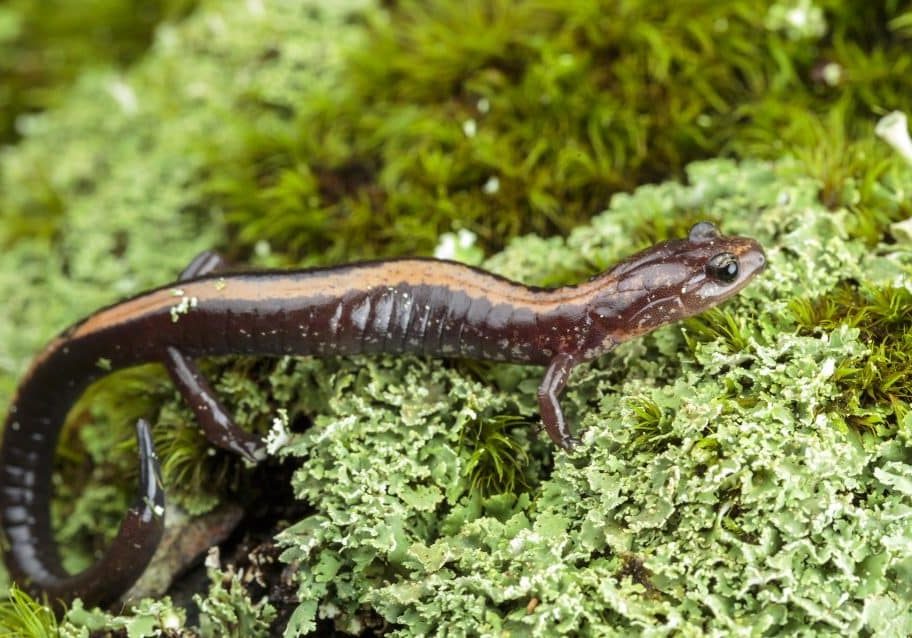
The Shenandoah Salamander
The Shenandoah salamander is a woodland salamander, which has adapted to life at higher elevations away from water. This sparkling rarity lives among the dry leaves, cracked logs, and stony hillocks on the highest peaks of Shenandoah National Park.
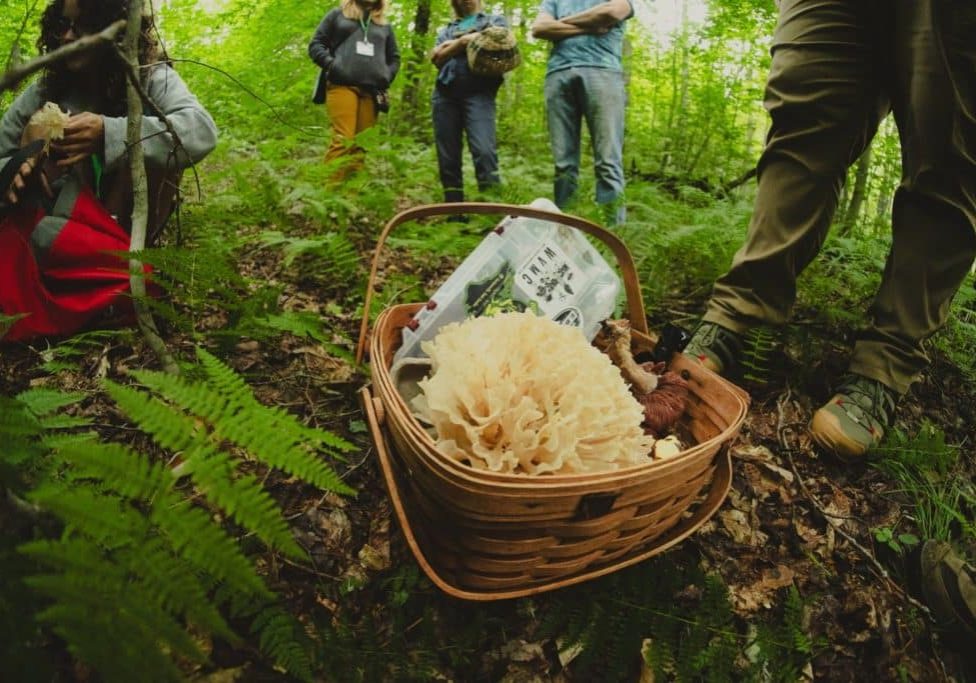
‘Foraging Is a Way of Connecting’
Foraging has experienced a modern resurgence, partly because of social media, online groups, the pandemic and people wanting to connect with nature. It also builds community, whether in person or online.

Leave a comment
Your email address will not be published. Required fields are marked *
Leave a Comment