

Problems Persist for Rover and Mariner East 2 Pipelines During Construction
By Meredith Abercrombie
The Rover and the Mariner East 2 natural gas pipelines are facing multiple setbacks, as state governments halt construction because of permit violations and harm to surrounding ecosystems.
The Rover Pipeline is set to run through West Virginia, Ohio and Michigan, while the Mariner East 2 would run through Pennsylvania, West Virginia and Ohio.
On July 17, the West Virginia Department of Environmental Protection gave Energy Transfer Partners LP, the group constructing the Rover Pipeline, a cease-and-desist order in response to reports of sediment runoff into nearby streams along the pipeline route that violate state water quality standards.
This is not the first issue that the Rover Pipeline has faced. On July 7, the Ohio Environmental Protection Agency released orders concerning waste that contained diesel fuel released from construction sites. Additionally, thousands of gallons of drill sludge have been released in wetlands and near waterways in Ohio.
Work on the Mariner East 2 pipeline in Pennsylvania has also been postponed, as a state judge ordered a two-week hold on construction due to multiple instances of water contamination. This pipeline is overseen by Sunoco Pipeline, which recently merged with ETP.
Most recently, two legislators wrote the Federal Energy Regulatory Commission asking that they take a deeper look into ETP and their pipelines, including the Rover and Mariner East 2.
Related Articles
Latest News
More Stories

‘First Line of Defense’
During Hurricane Helene and its aftermath, rural fire departments and other first responder hubs played critical roles in keeping their communities safe, even without power and cut off from outside support for days or weeks after the storm. Two years later, plenty of work remains to ensure these hubs have the resources they need to operate day to day and be ready when emergencies or natural disasters strike.

The Rocky Road — and Bridge — to Recovery
Hurricane Helene is estimated to have damaged nearly 7,000 private roads and bridges in Western North Carolina. Two years later, many restoration projects are complete, but the journey hasn’t been easy — and isn’t over for others.
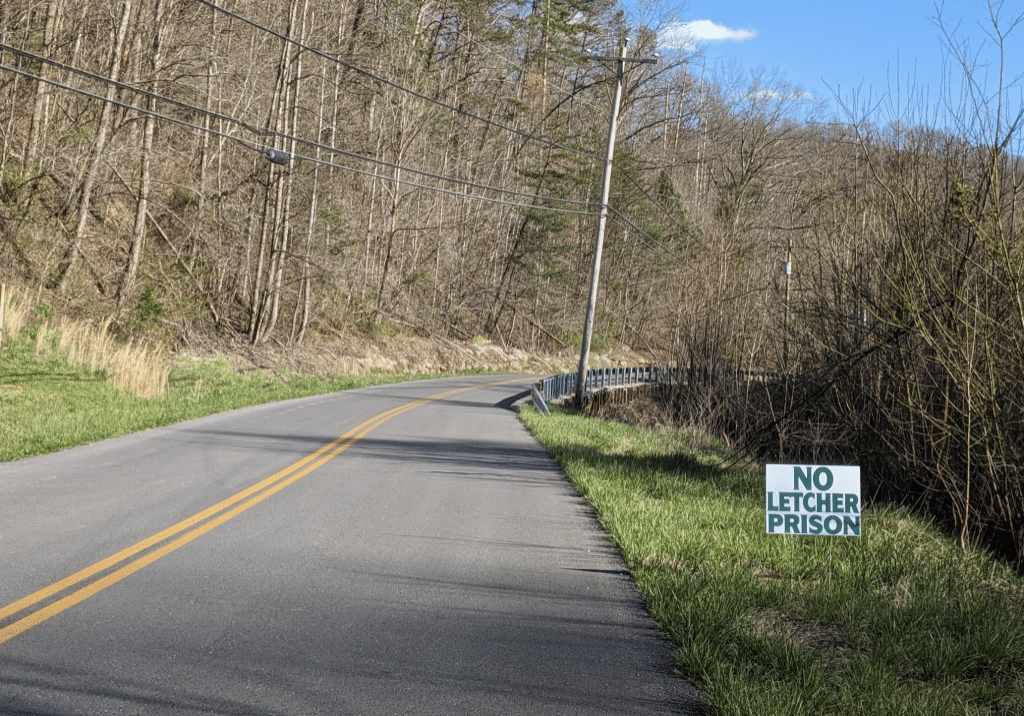
After 20 Years, Letcher County Prison Proposal Is Still Alive, Though Obstacles Remain
A $605 million proposal for a federal prison on a former strip mine site in Letcher County, Kentucky, championed by U.S. Rep. Hal Rogers, refuses to die, despite local opposition, a lack of support from the executive branch and numerous other obstacles.
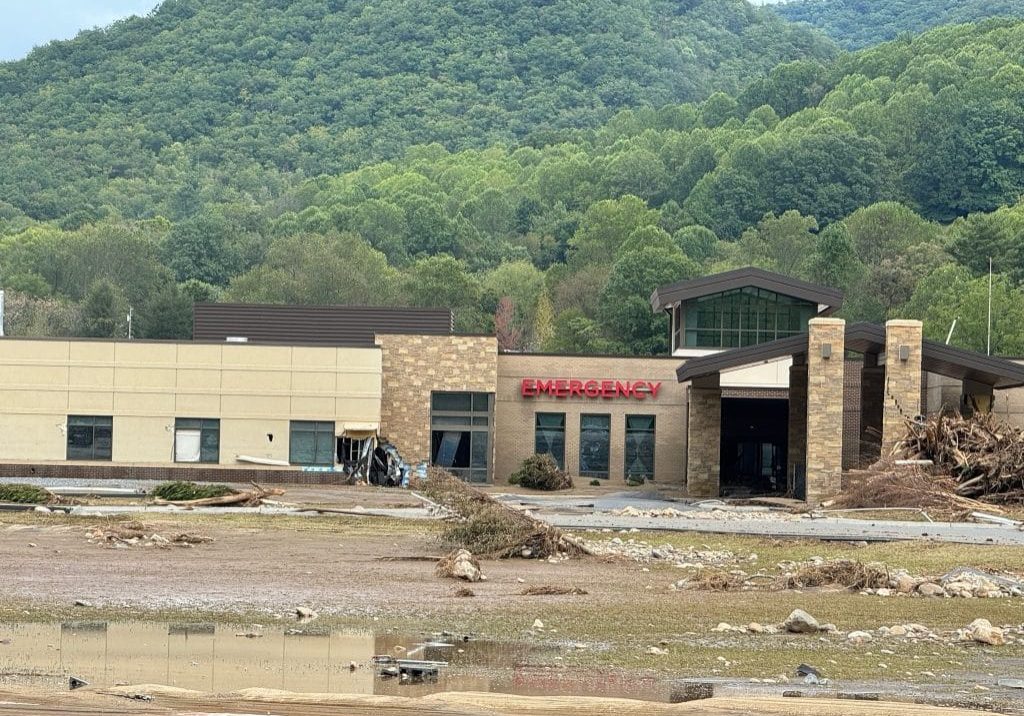
The Washout and Rebuild
For nearly two years, residents of Unicoi County, Tennessee, have had to make do without a hospital after Hurricane Helene destroyed the rural hospital. Ballad Health, which owns the hospital, broke ground on a new location — in another floodplain — in August 2026.

The Shenandoah Salamander
The Shenandoah salamander is a woodland salamander, which has adapted to life at higher elevations away from water. This sparkling rarity lives among the dry leaves, cracked logs, and stony hillocks on the highest peaks of Shenandoah National Park.
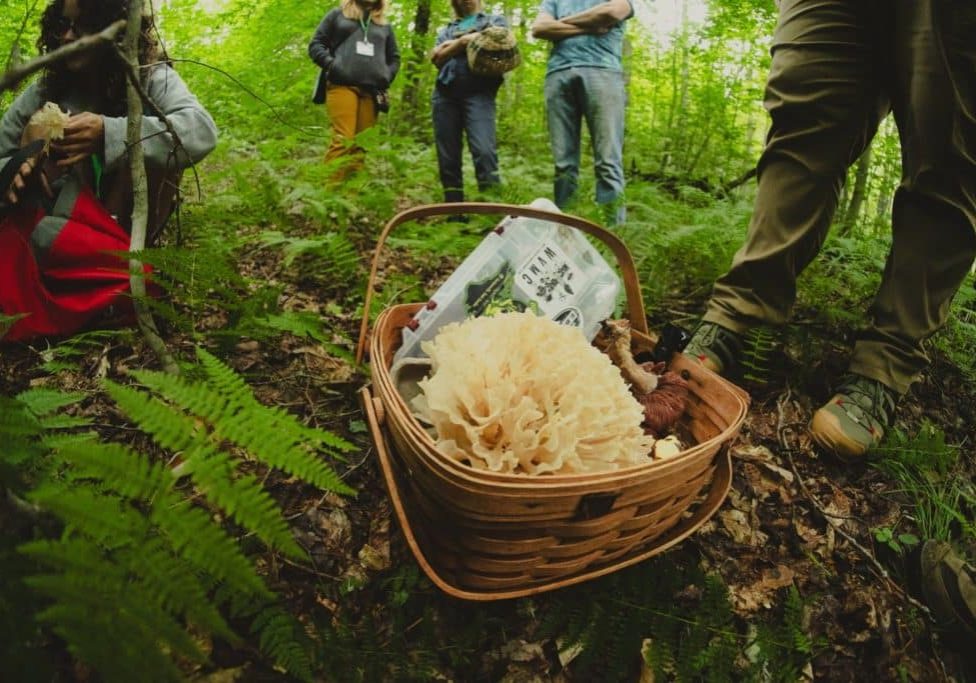
‘Foraging Is a Way of Connecting’
Foraging has experienced a modern resurgence, partly because of social media, online groups, the pandemic and people wanting to connect with nature. It also builds community, whether in person or online.

Leave a comment
Your email address will not be published. Required fields are marked *
Leave a Comment