

By Elizabeth E. Payne
On March 28, President Donald Trump signed an executive order instructing the U.S. Environmental Protection Agency to unravel the Obama administration’s Clean Power Plan, which would have limited the amount of carbon dioxide emissions allowed from coal-fired power plants.
Despite the president’s promise to bring back coal, CEOs from electric utilities across the region have stated that they have no intention of returning to coal.
“Our statutory duty is to produce electricity at the lowest feasible rate,” Bill Johnson, CEO of the Tennessee Valley Authority, the nation’s largest public utility, told the Associated Press in mid-April. “And when we decided to close the coal plants, that was the math we were doing. We weren’t trying to comply with the Clean Power Plan or anything else. What’s the cheapest way to serve the customer? It turned out to be retiring those coal plants.”
Similarly, Duke Energy will move steadily away from coal. The company’s CEO Lynn Good told the Charlotte Business Journal, “Our strategy will continue to be to drive carbon out of our business.”
Appalachian Power’s new president, Chris Beam, also said that his company didn’t have plans to expand its coal use either, despite local pressure from coal company owner and West Virginia Gov. Jim Justice.
“The governor asked me, ‘I’d like you to burn more coal,’” Beam said, according to the Charleston Gazette-Mail. “Well, we don’t have any more coal plants. We’re not going to build any more coal plants. That’s not going to happen.”
Related Articles
Latest News
More Stories
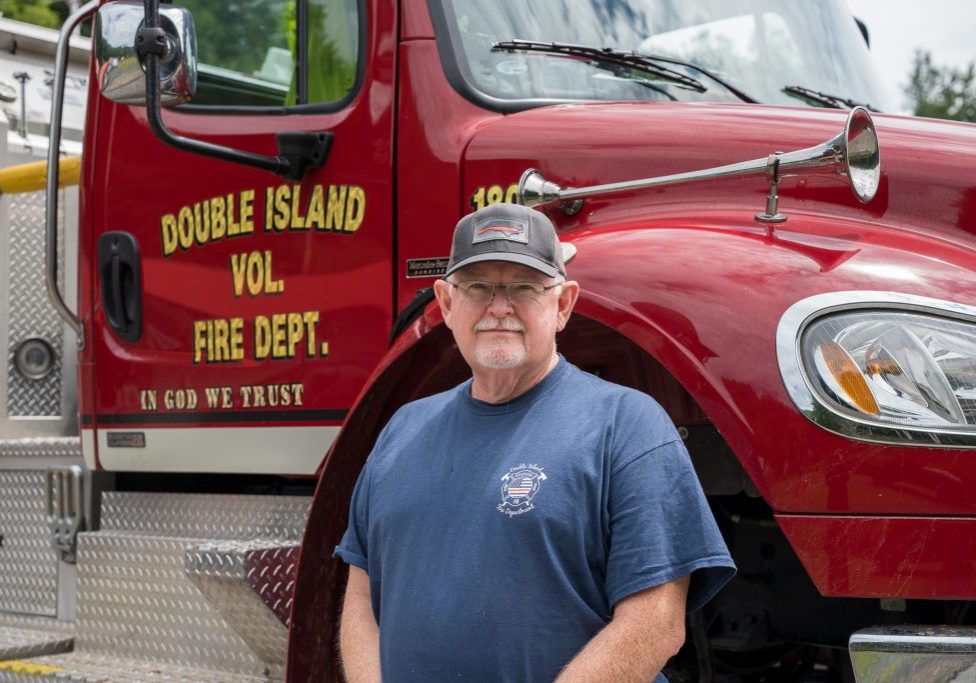
‘First Line of Defense’
During Hurricane Helene and its aftermath, rural fire departments and other first responder hubs played critical roles in keeping their communities safe, even without power and cut off from outside support for days or weeks after the storm. Two years later, plenty of work remains to ensure these hubs have the resources they need to operate day to day and be ready when emergencies or natural disasters strike.
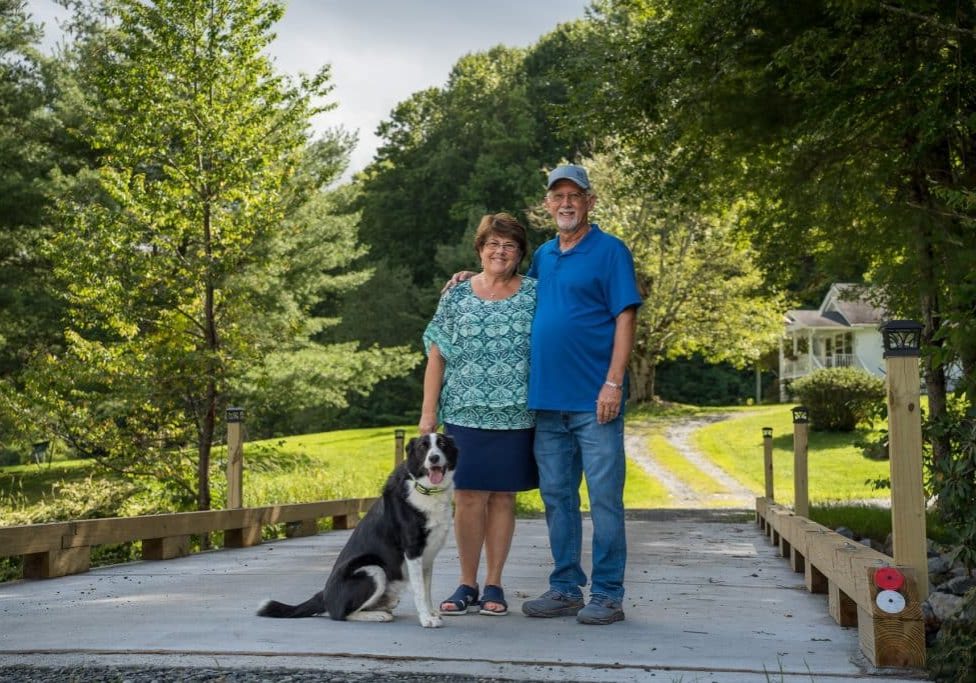
The Rocky Road — and Bridge — to Recovery
Hurricane Helene is estimated to have damaged nearly 7,000 private roads and bridges in Western North Carolina. Two years later, many restoration projects are complete, but the journey hasn’t been easy — and isn’t over for others.
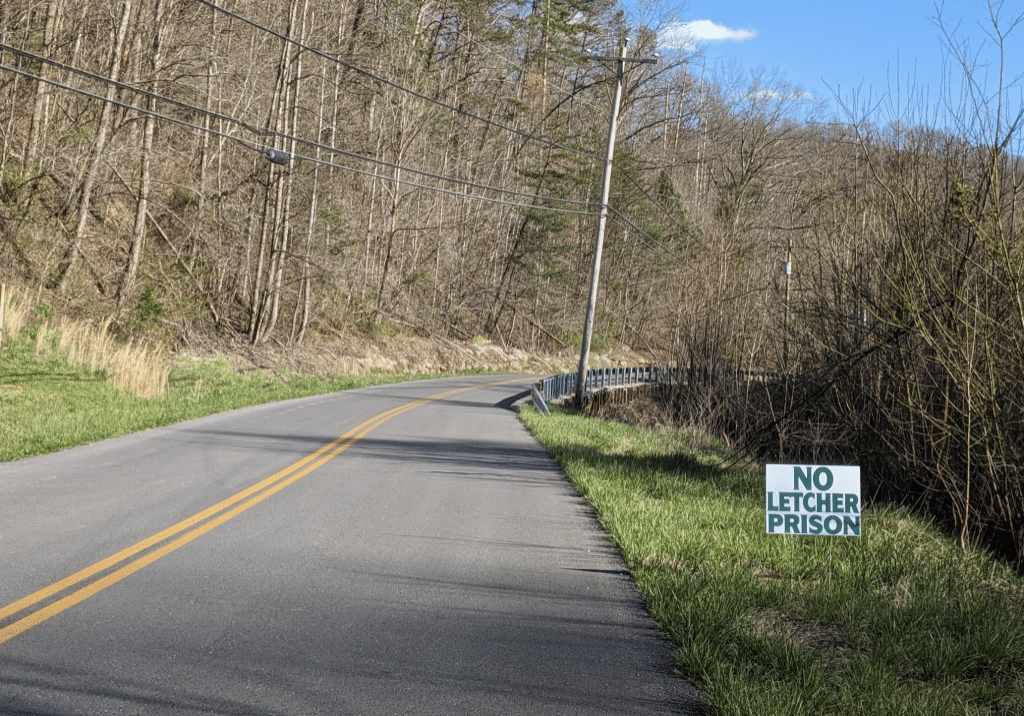
After 20 Years, Letcher County Prison Proposal Is Still Alive, Though Obstacles Remain
A $605 million proposal for a federal prison on a former strip mine site in Letcher County, Kentucky, championed by U.S. Rep. Hal Rogers, refuses to die, despite local opposition, a lack of support from the executive branch and numerous other obstacles.
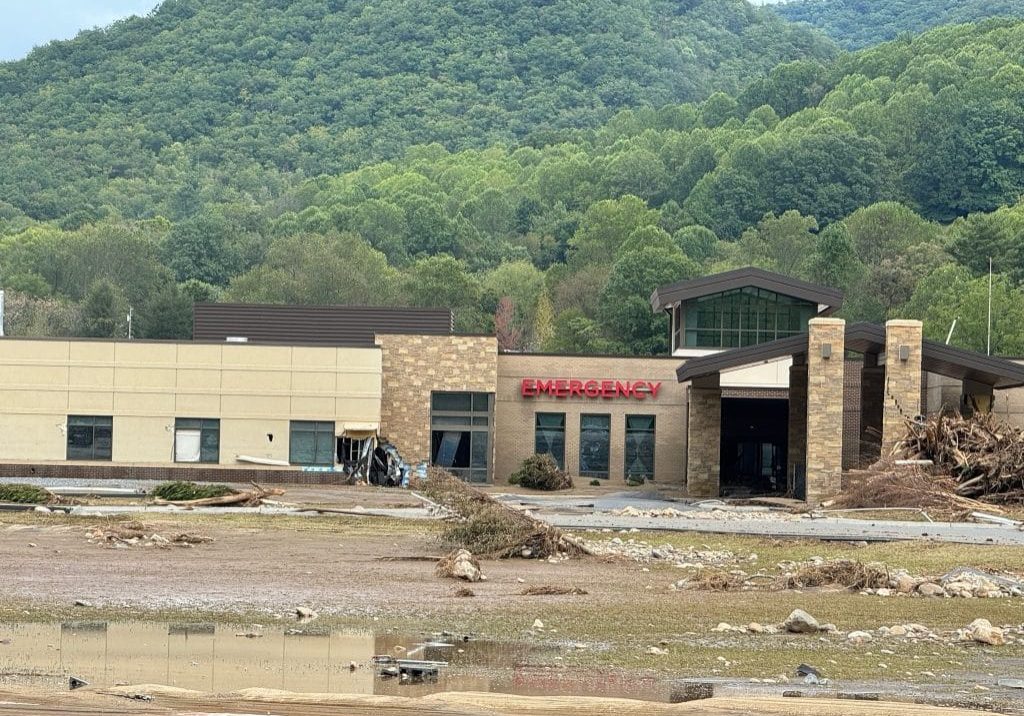
The Washout and Rebuild
For nearly two years, residents of Unicoi County, Tennessee, have had to make do without a hospital after Hurricane Helene destroyed the rural hospital. Ballad Health, which owns the hospital, broke ground on a new location — in another floodplain — in August 2026.

The Shenandoah Salamander
The Shenandoah salamander is a woodland salamander, which has adapted to life at higher elevations away from water. This sparkling rarity lives among the dry leaves, cracked logs, and stony hillocks on the highest peaks of Shenandoah National Park.
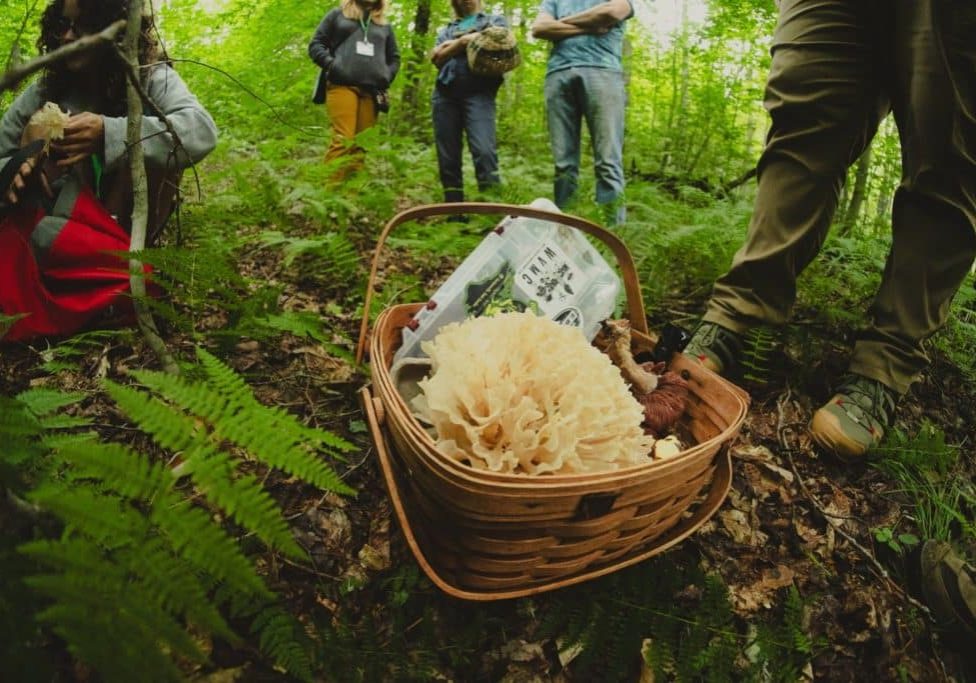
‘Foraging Is a Way of Connecting’
Foraging has experienced a modern resurgence, partly because of social media, online groups, the pandemic and people wanting to connect with nature. It also builds community, whether in person or online.

Leave a comment
Your email address will not be published. Required fields are marked *
Leave a Comment