

Two N.C. Counties Make Energy Efficiency History
Two counties in western North Carolina — Yancey and Mitchell — are the first in the United States to pass resolutions supporting the development of an “on-bill financing” program for energy efficiency improvements by their electric utility.
Both counties are served by French Broad Electric Membership Corporation. The resolutions, proposed by Appalachian Voices, express support for French Broad developing a program that provides its members with the upfront cost of home energy upgrades, which the member repays through a monthly charge on their electric bill. The upgrades would save enough energy to reduce the member’s average bill, even with the repayment charge, and the program would be accessible to renters and low-income households.
In addition to relieving the burden of energy costs and improving the quality of living for residents, such a program would also stimulate local economies.
The Yancey County Commission was the first to pass the resolution on February 13. There is a great need for energy efficiency in Yancey County. According to the U.S. Census, 77 percent of the county’s occupied housing stock is more than 25 years old. Additionally, nearly one in every six households in Yancey County live in poverty. A study conducted by Accounting Insights found that county residents living below 50 percent of the poverty line spent an average of 44 percent of their income on energy costs.
The Mitchell County Commission passed its resolution on March 6. The county faces similar housing conditions, poverty rates and energy cost burdens as Yancey County.
Together, Yancey and Mitchell counties make up almost half of French Broad’s membership. Madison County, home to another 34 percent of the electric cooperative’s members, is scheduled to consider the same resolution on April 18.
French Broad currently offers an on-bill financing program for mini-split heat pumps, but has not implemented a more comprehensive and inclusive energy efficiency financing program, despite support from community stakeholders.
The resolutions in Yancey and Mitchell counties show that community leaders believe that addressing energy costs is an important part of strengthening local economies and improving the lives of local residents, and that French Broad could play a central role in achieving those goals.
To get involved, contact Lauren Essick at (828) 262-1500, or via email at [email protected].
Related Articles
Latest News
More Stories

‘First Line of Defense’
During Hurricane Helene and its aftermath, rural fire departments and other first responder hubs played critical roles in keeping their communities safe, even without power and cut off from outside support for days or weeks after the storm. Two years later, plenty of work remains to ensure these hubs have the resources they need to operate day to day and be ready when emergencies or natural disasters strike.

The Rocky Road — and Bridge — to Recovery
Hurricane Helene is estimated to have damaged nearly 7,000 private roads and bridges in Western North Carolina. Two years later, many restoration projects are complete, but the journey hasn’t been easy — and isn’t over for others.
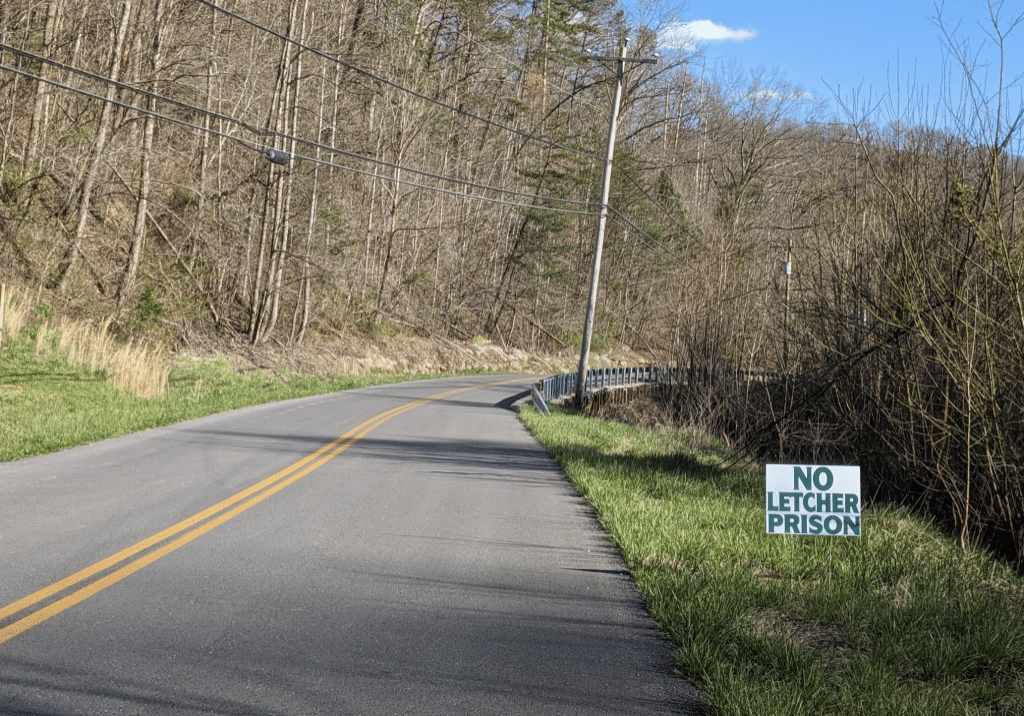
After 20 Years, Letcher County Prison Proposal Is Still Alive, Though Obstacles Remain
A $605 million proposal for a federal prison on a former strip mine site in Letcher County, Kentucky, championed by U.S. Rep. Hal Rogers, refuses to die, despite local opposition, a lack of support from the executive branch and numerous other obstacles.
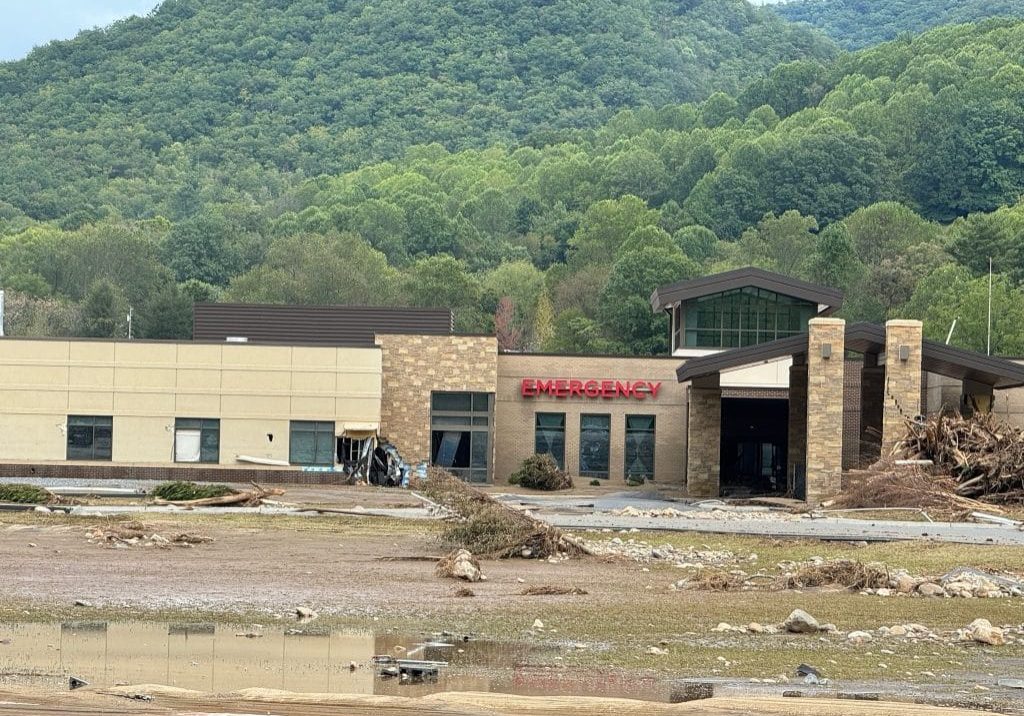
The Washout and Rebuild
For nearly two years, residents of Unicoi County, Tennessee, have had to make do without a hospital after Hurricane Helene destroyed the rural hospital. Ballad Health, which owns the hospital, broke ground on a new location — in another floodplain — in August 2026.

The Shenandoah Salamander
The Shenandoah salamander is a woodland salamander, which has adapted to life at higher elevations away from water. This sparkling rarity lives among the dry leaves, cracked logs, and stony hillocks on the highest peaks of Shenandoah National Park.
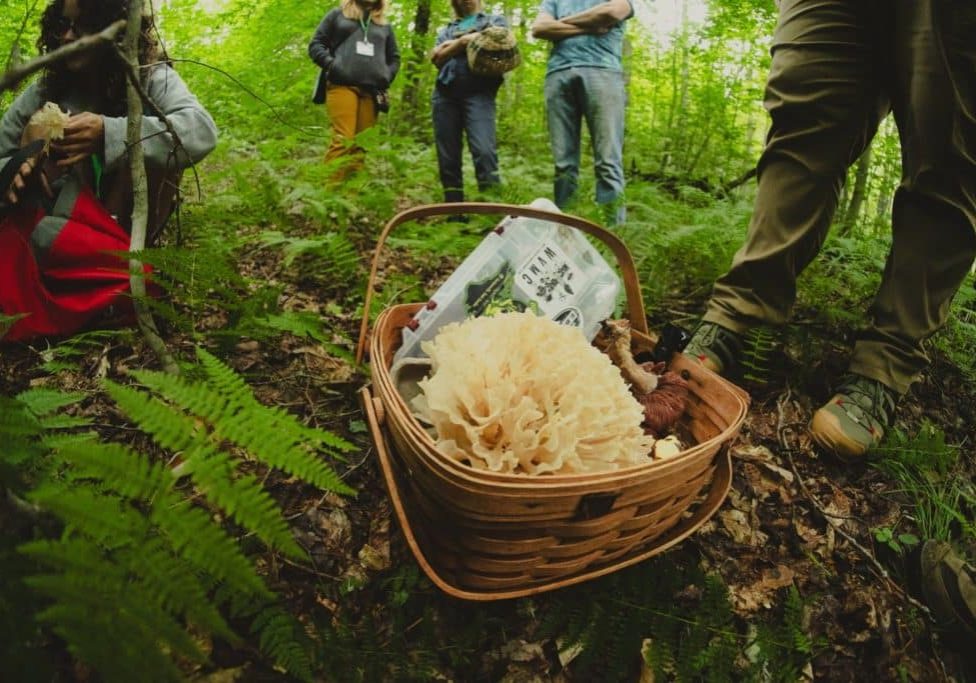
‘Foraging Is a Way of Connecting’
Foraging has experienced a modern resurgence, partly because of social media, online groups, the pandemic and people wanting to connect with nature. It also builds community, whether in person or online.

Leave a comment
Your email address will not be published. Required fields are marked *
Leave a Comment