

On Dec. 15, 2016, the U.S. Department of Justice announced that DuPont Chemical will pay over $50 million as part of a settlement for releasing mercury into Shenandoah Valley waterways.
The chemical company will admit no fault, yet the payment will resolve alleged violations of environmental laws, the Associated Press reports.
The payment will be the largest environmental settlement in Virginia history.
According to Harrisonburg TV station WSHV, the funds will be used for a series of proposed projects including: land protection, improvements to water quality and fish habitat, mussel propagation, recreational fishing access, migratory songbird habitat restoration and more.
The settlement follows a still-unapproved merger of Dow and DuPont, both chemical giants. The merger has been awaiting approval by European Union anti-trust regulators for months.
According to the Associated Press, cleanup will begin in February at the riverbank in Constitution Park in Waynesboro, Va. Soil with high mercury concentrations will be removed and replaced with fresh soil.
— Carl Blankenship
Related Articles
Latest News
More Stories
Signs of Life
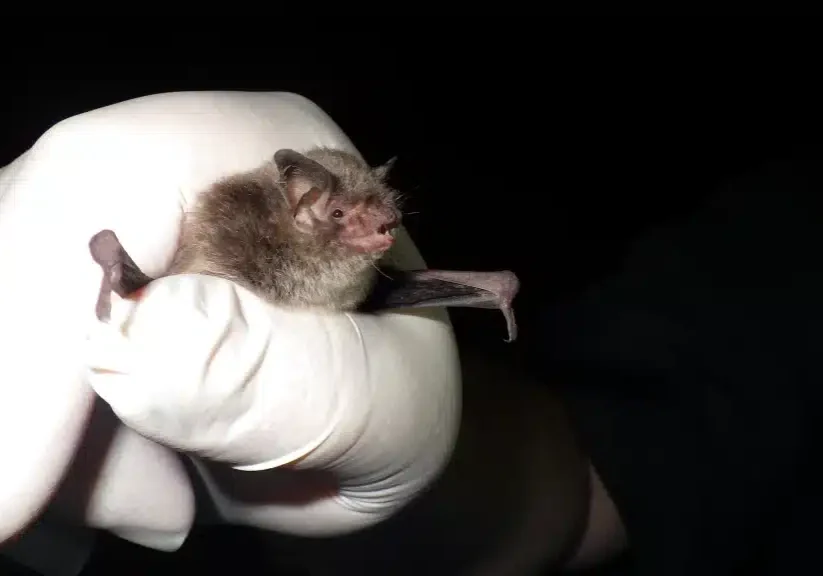
In the Nantahala National Forest, a team of biologists spotted Indiana bats, an endangered species that hasn’t been seen in North Carolina for the last 11 years.
‘First Line of Defense’
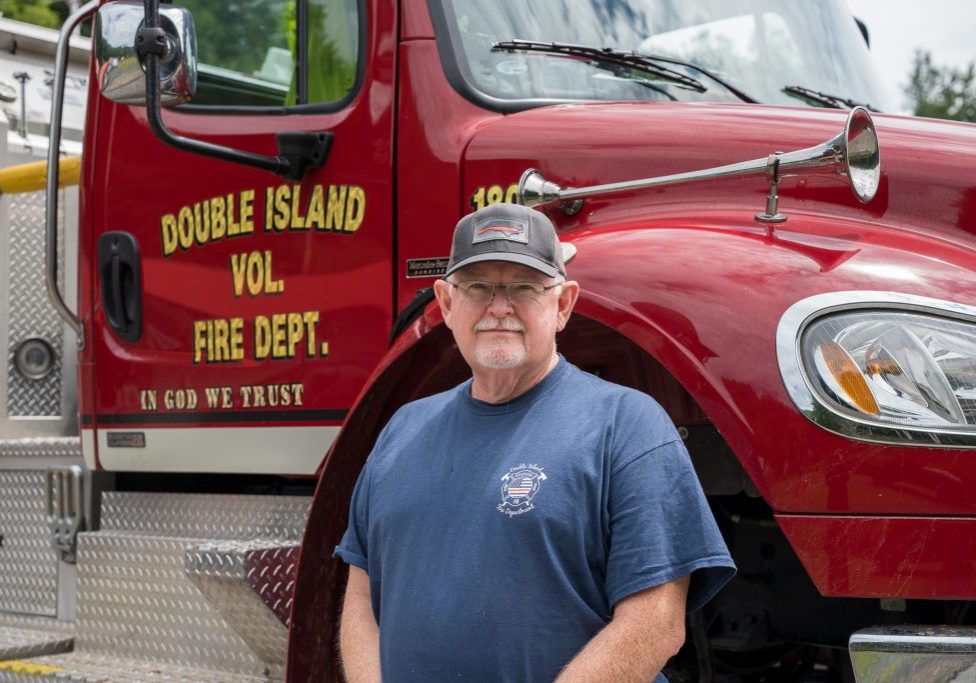
During Hurricane Helene and its aftermath, rural fire departments and other first responder hubs played critical roles in keeping their communities safe, even without power and cut off from outside support for days or weeks after the storm. Two years later, plenty of work remains to ensure these hubs have the resources they need to operate day to day and be ready when emergencies or natural disasters strike.
The Rocky Road — and Bridge — to Recovery
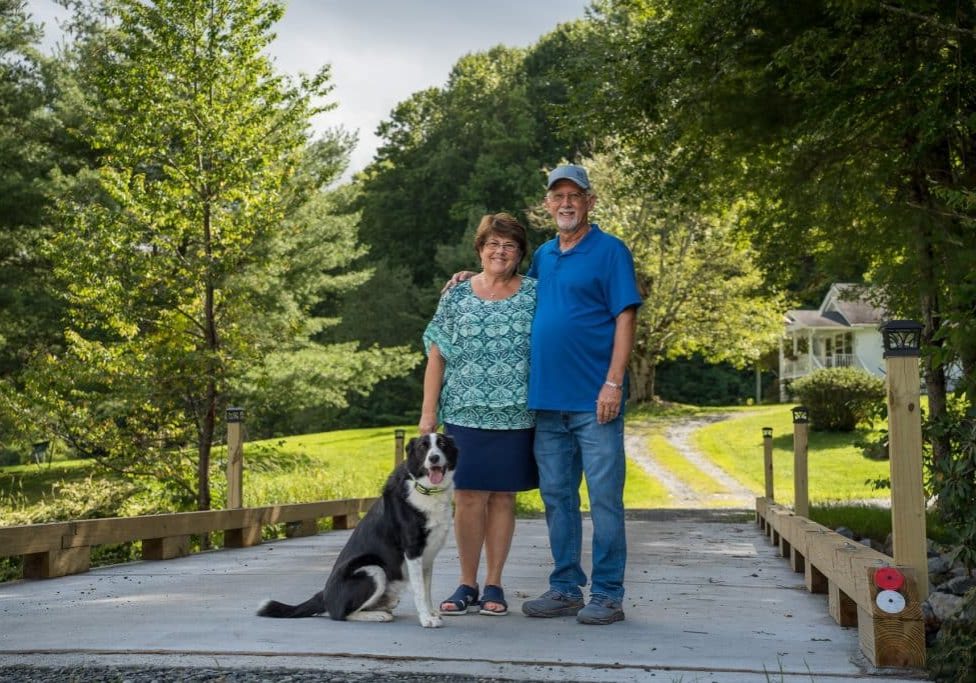
Hurricane Helene is estimated to have damaged nearly 7,000 private roads and bridges in Western North Carolina. Two years later, many restoration projects are complete, but the journey hasn’t been easy — and isn’t over for others.
After 20 Years, Letcher County Prison Proposal Is Still Alive, Though Obstacles Remain
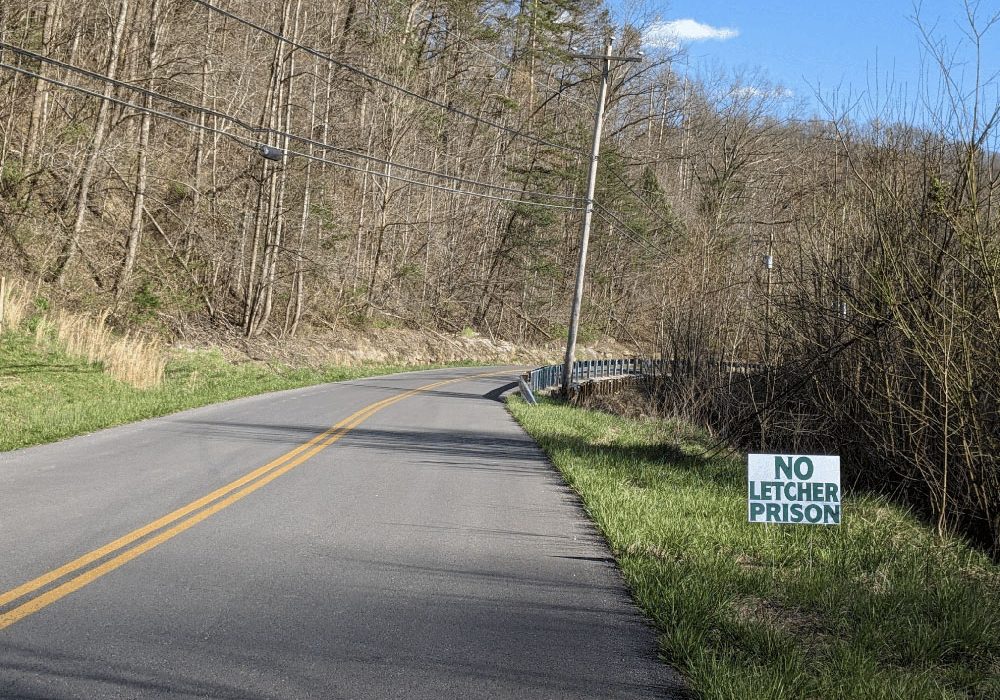
A $605 million proposal for a federal prison on a former strip mine site in Letcher County, Kentucky, championed by U.S. Rep. Hal Rogers, refuses to die, despite local opposition, a lack of support from the executive branch and numerous other obstacles.
The Washout and Rebuild
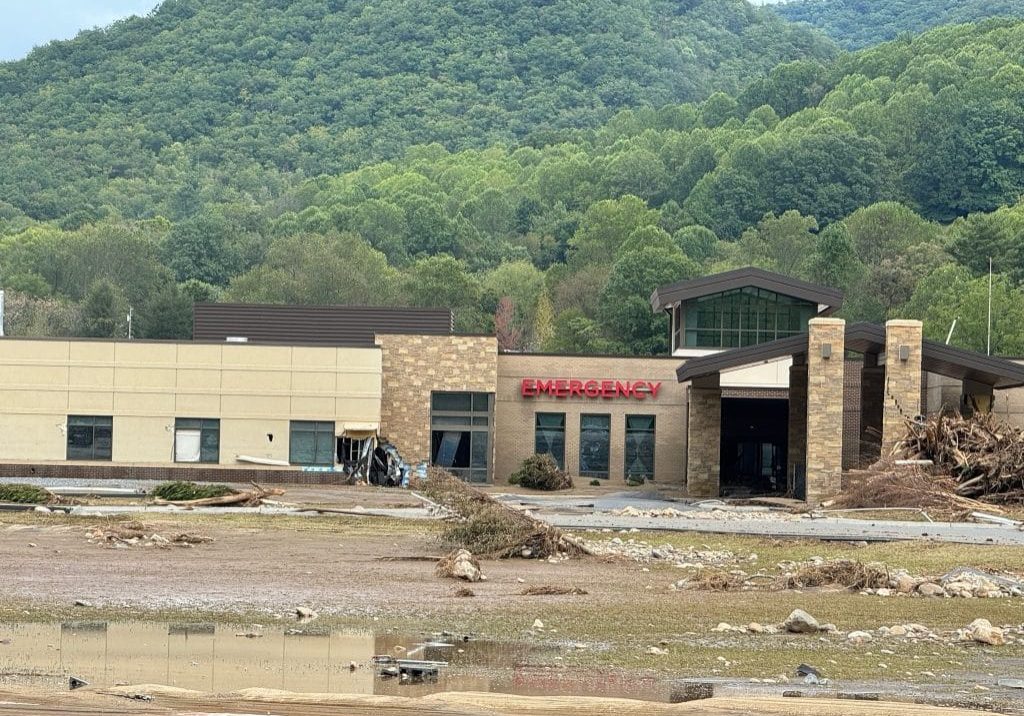
For nearly two years, residents of Unicoi County, Tennessee, have had to make do without a hospital after Hurricane Helene destroyed the rural hospital. Ballad Health, which owns the hospital, broke ground on a new location — in another floodplain — in August 2026.

The Shenandoah Salamander
The Shenandoah salamander is a woodland salamander, which has adapted to life at higher elevations away from water. This sparkling rarity lives among the dry leaves, cracked logs, and stony hillocks on the highest peaks of Shenandoah National Park.

Leave a comment
Your email address will not be published. Required fields are marked *
Leave a Comment