

By Elizabeth E. Payne
In March, the N.C. Department of Environmental Quality held a series of 15 public hearings across the state to solicit stakeholder comments on the classifications for the 33 coal ash impoundments located at Duke Energy’s 14 coal-fired power plants.
These classifications — low, intermediate and high — are used by NCDEQ to assess the risk of each site and determine the timetable and minimum standards that the cleanup process will follow.
At the hearings, area citizens were able to speak with NCDEQ staff about their concerns with the cleanup process. Many urged the agency to rank their community as intermediate or high priority.
“We drank the water, ate the food in that soil,” said Leslie Brewer, who raised her family near the Belews Steam Station coal ash pond in Danbury, N.C. “Please make this high priority, my children don’t have another ten years to wait until this is cleaned up.”
Read more about the hearings here.
These hearings were required by the state’s Coal Ash Management Act, which also established the Coal Ash Management Commission to oversee the process amid an atmosphere of public distrust. Following legal challenges reaching the state’s Supreme Court, Gov. Pat McCrory disbanded the nine-member commission in mid-March.
The act tasked the commission with ensuring that NCDEQ’s classifications accurately reflected the level of risk posed by each site, and allowed them 60 days to review and comment on the classifications. Whether a new commission will be appointed in time to provide oversight is unclear.
The same week that the commission was disbanded, staff members from the NCDEQ and the N.C. Department of Health and Human Services lifted the do-not-drink warnings from households near coal ash ponds whose wells had been contaminated by hexavalent chromium and vanadium.
The agencies lifted the ban on water containing levels of hexavalent chromium exceeding the state standard of 0.07 parts per billion. Citing federal standards of 100 parts for billion for total chromium, Tom Reeder, the state’s assistant secretary for the environment, argued that the previous standards had been overly cautious. There is no federal standard for hexavalent chromium, a carcinogen.
Duke Energy, which denies responsibility for the contamination, will soon stop providing bottled drinking water to the affected households.
In other news, two groups have dropped their complaints against Dominion Virginia Power’s plan to release wastewater from coal ash ponds at two of its power plants into the Quantico Creek, which feeds into the Potomac and James rivers. After Dominion announced that it would adopt stricter standards for treating the wastewater than were required by the Virginia DEQ, the Prince William County, Va., board of supervisors and the James River Association agreed to stop fighting the plan, according to the Bay Journal.
Other groups, including the Southern Environmental Law Center and the state of Maryland, will continue to appeal Dominion’s discharge permit.
Related Articles
Latest News
More Stories

‘First Line of Defense’
During Hurricane Helene and its aftermath, rural fire departments and other first responder hubs played critical roles in keeping their communities safe, even without power and cut off from outside support for days or weeks after the storm. Two years later, plenty of work remains to ensure these hubs have the resources they need to operate day to day and be ready when emergencies or natural disasters strike.

The Rocky Road — and Bridge — to Recovery
Hurricane Helene is estimated to have damaged nearly 7,000 private roads and bridges in Western North Carolina. Two years later, many restoration projects are complete, but the journey hasn’t been easy — and isn’t over for others.
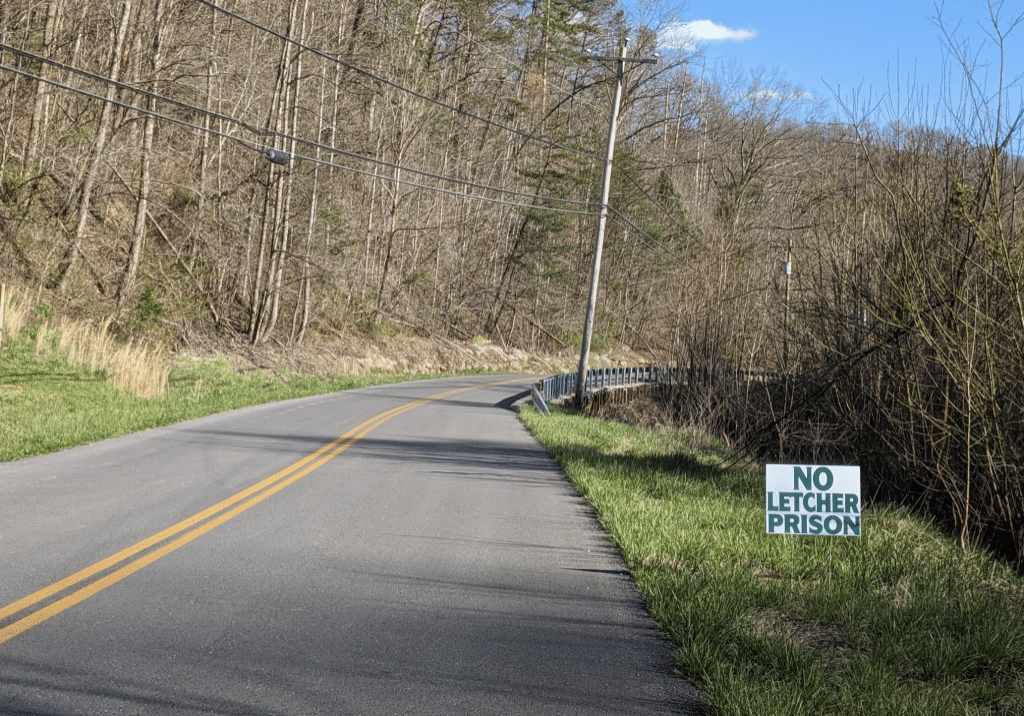
After 20 Years, Letcher County Prison Proposal Is Still Alive, Though Obstacles Remain
A $605 million proposal for a federal prison on a former strip mine site in Letcher County, Kentucky, championed by U.S. Rep. Hal Rogers, refuses to die, despite local opposition, a lack of support from the executive branch and numerous other obstacles.
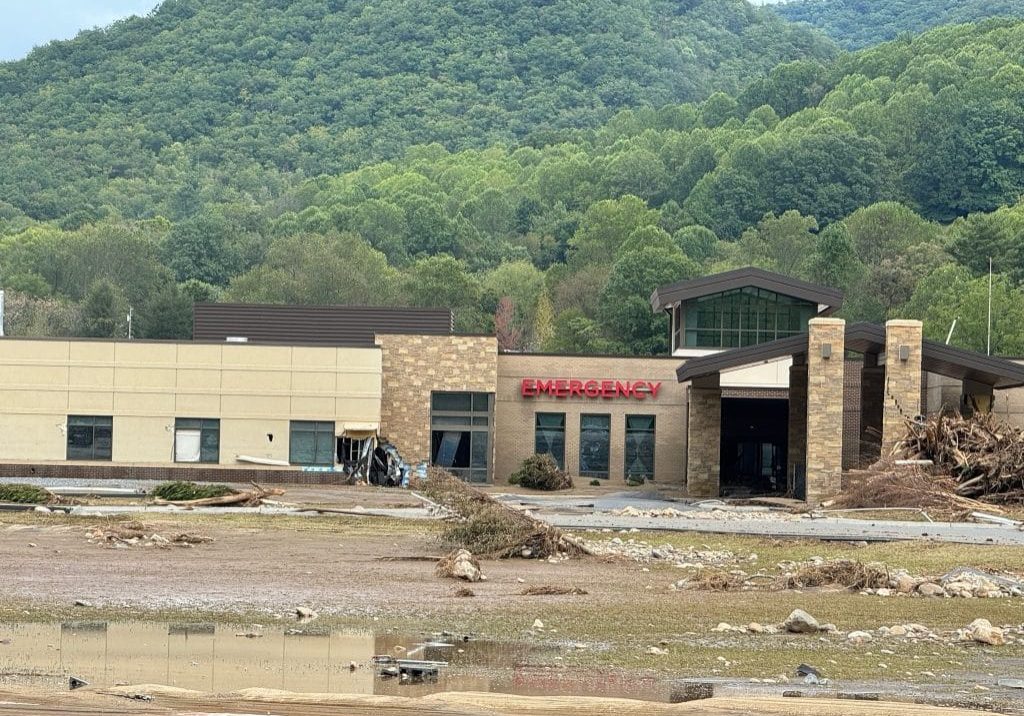
The Washout and Rebuild
For nearly two years, residents of Unicoi County, Tennessee, have had to make do without a hospital after Hurricane Helene destroyed the rural hospital. Ballad Health, which owns the hospital, broke ground on a new location — in another floodplain — in August 2026.

The Shenandoah Salamander
The Shenandoah salamander is a woodland salamander, which has adapted to life at higher elevations away from water. This sparkling rarity lives among the dry leaves, cracked logs, and stony hillocks on the highest peaks of Shenandoah National Park.
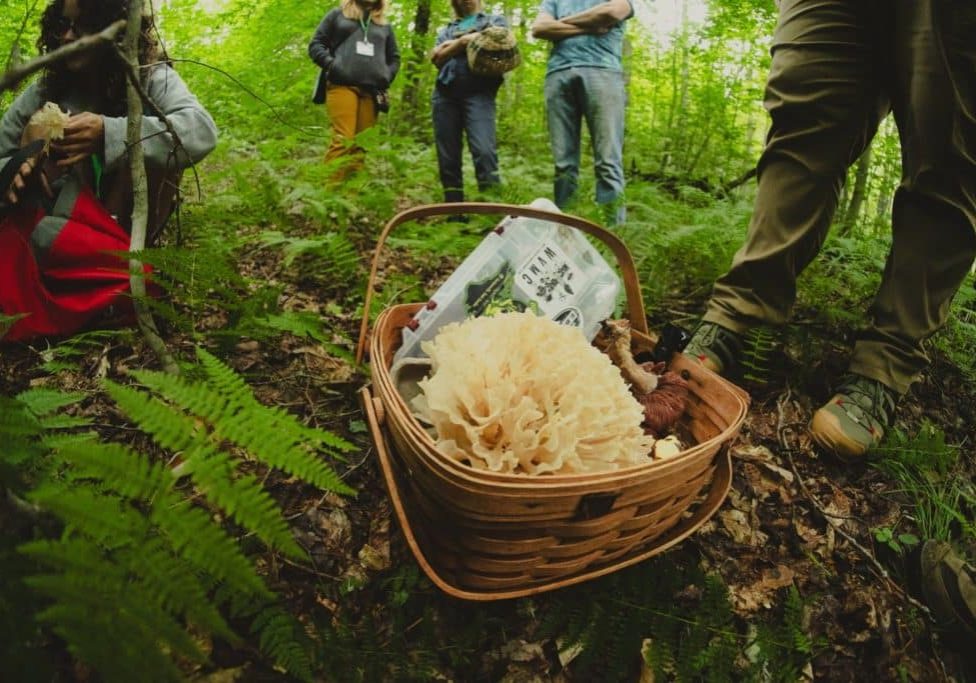
‘Foraging Is a Way of Connecting’
Foraging has experienced a modern resurgence, partly because of social media, online groups, the pandemic and people wanting to connect with nature. It also builds community, whether in person or online.

Leave a comment
Your email address will not be published. Required fields are marked *
Leave a Comment