

New Coal Dust Regs Aimed at Black Lung Disease Resurgence
Story by Bill Kovarik
An alarming rise in new cases of black lung disease inspired new Mine Safety and Health Administration regulations announced this fall by the Obama Administration.
The new regulations come 15 years after occupational safety and disease control agencies recommended a tightening of standards. They also come seven years after the Bush administration loosened coal dust safety standards.
The regulations are designed to improve safety for 72,000 miners working in more than 400 underground mines and more than 1,100 surface mines. Technically, the regulations require coal mines to cut coal dust in half, to 1.0 mg/m3 (milligrams per cubic meter).
The regulations also require changes in sampling procedures, which have been a source of contention. Federal investigators have repeatedly caught mine operators falsifying coal dust samples, and the old system with a weeks-long delay in providing results will be replaced by real-time monitoring systems under the new regulations.
Although widely hailed, the regulations are a relatively small step in changing dangerous working conditions in coal mines. Especially troubling for public health advocates are the estimated 1,500 deaths per year from black lung disease. While most of these have been retired coal miners, the Centers for Disease Control recently found that cases of black lung disease had stopped falling and started rising again among younger, active coal miners.
Black lung disease is a centuries-old problem going back to the dawn of coal mining. The need for protection and compensation for miners inspired the 1969 Coal Mine Health and Safety Act, which set up a black lung payments system funded by a small tax on coal. But the system has been subject to corruption and abuse over the years, and most individual claims are still routinely fought by teams of coal industry doctors and lawyers.
Currently, only about 13 percent of initial black lung claims are approved, and three quarters of claims take three to six years to approve, according to a 2009 study by the Government Accountability Office.
Shirley Stewart Burns, author of Bringing Down the Mountains, hopes the new coal dust standards are enough to reduce black lung disease. “If these new standards keep even one other family from having to experience what my family has experienced, they will have an enormously positive impact.”
Burns, who grew up in Matheny, West Virginia, lost her father to black lung disease. “I was still a teenager,” Burns said. “The magnitude of his loss on me and my family cannot possibly be put into words. It is a reality that is experienced all over the coalfields, far away from the urban centers that benefit from the ultimate sacrifices of coal miners like my father.”
“Like so many other families, we never received any money from federal black lung payments,” Burns said. “It is a cumbersome system with an extremely low number of people who actually benefit… The system is set up to turn down many people who actually have the disease.”
_________________________
“If these new standards keep even one other family from having to experience what my family has experienced, they will have an enormously positive impact.”
—Shirley Stewart Burns, author of Bringing Down The Mountain and daughter of a black lung victim
Related Articles
Latest News
More Stories

‘First Line of Defense’
During Hurricane Helene and its aftermath, rural fire departments and other first responder hubs played critical roles in keeping their communities safe, even without power and cut off from outside support for days or weeks after the storm. Two years later, plenty of work remains to ensure these hubs have the resources they need to operate day to day and be ready when emergencies or natural disasters strike.

The Rocky Road — and Bridge — to Recovery
Hurricane Helene is estimated to have damaged nearly 7,000 private roads and bridges in Western North Carolina. Two years later, many restoration projects are complete, but the journey hasn’t been easy — and isn’t over for others.
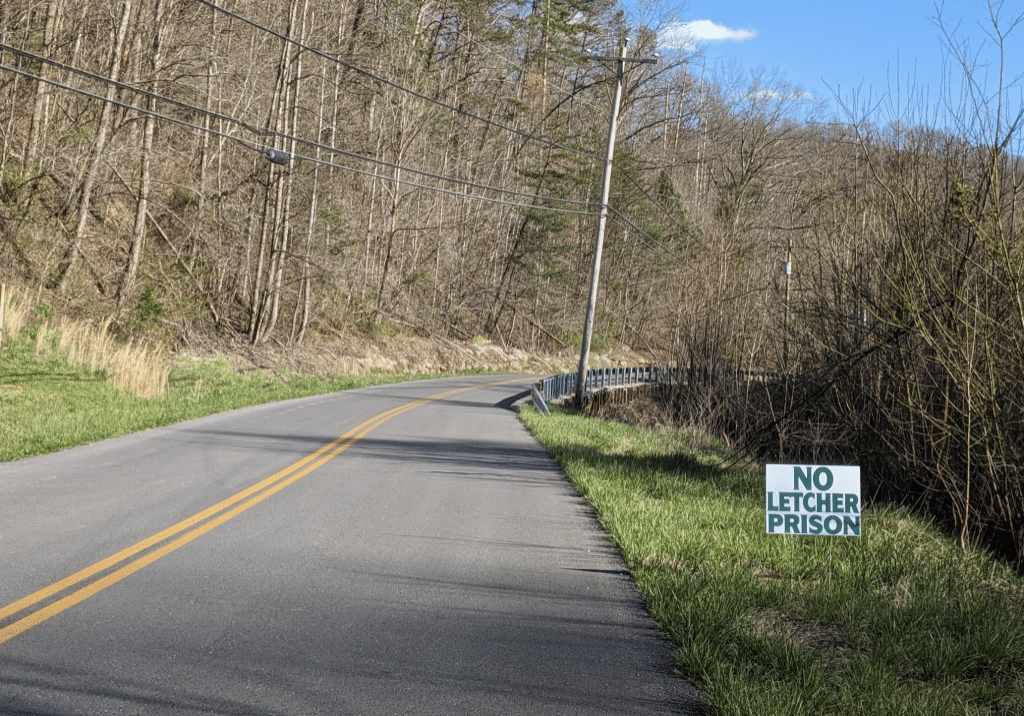
After 20 Years, Letcher County Prison Proposal Is Still Alive, Though Obstacles Remain
A $605 million proposal for a federal prison on a former strip mine site in Letcher County, Kentucky, championed by U.S. Rep. Hal Rogers, refuses to die, despite local opposition, a lack of support from the executive branch and numerous other obstacles.
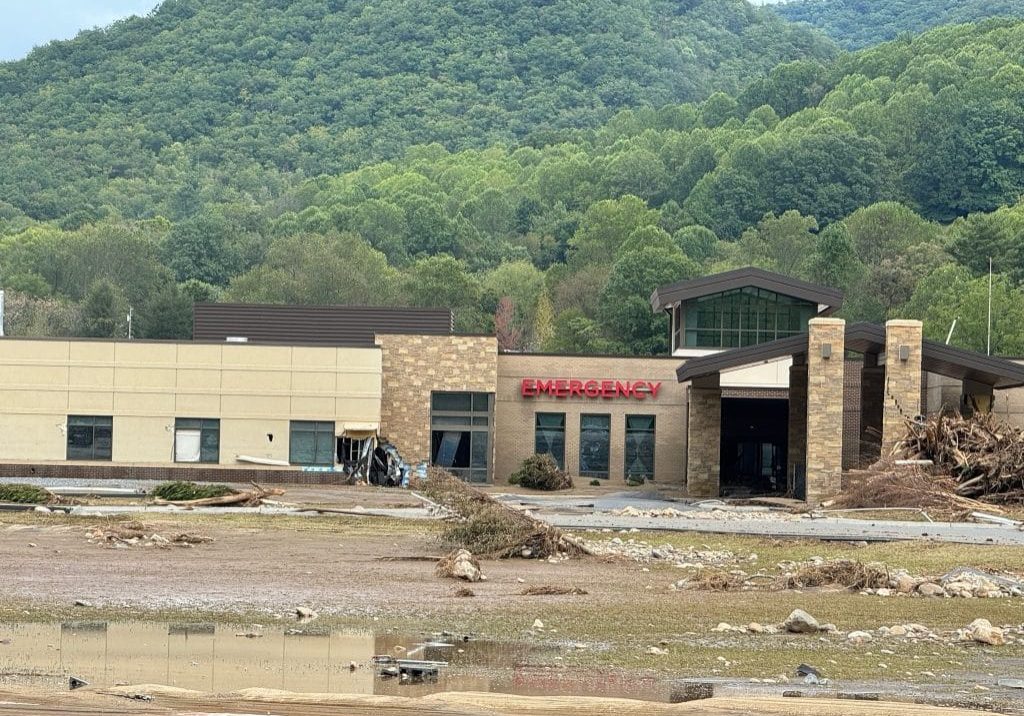
The Washout and Rebuild
For nearly two years, residents of Unicoi County, Tennessee, have had to make do without a hospital after Hurricane Helene destroyed the rural hospital. Ballad Health, which owns the hospital, broke ground on a new location — in another floodplain — in August 2026.

The Shenandoah Salamander
The Shenandoah salamander is a woodland salamander, which has adapted to life at higher elevations away from water. This sparkling rarity lives among the dry leaves, cracked logs, and stony hillocks on the highest peaks of Shenandoah National Park.
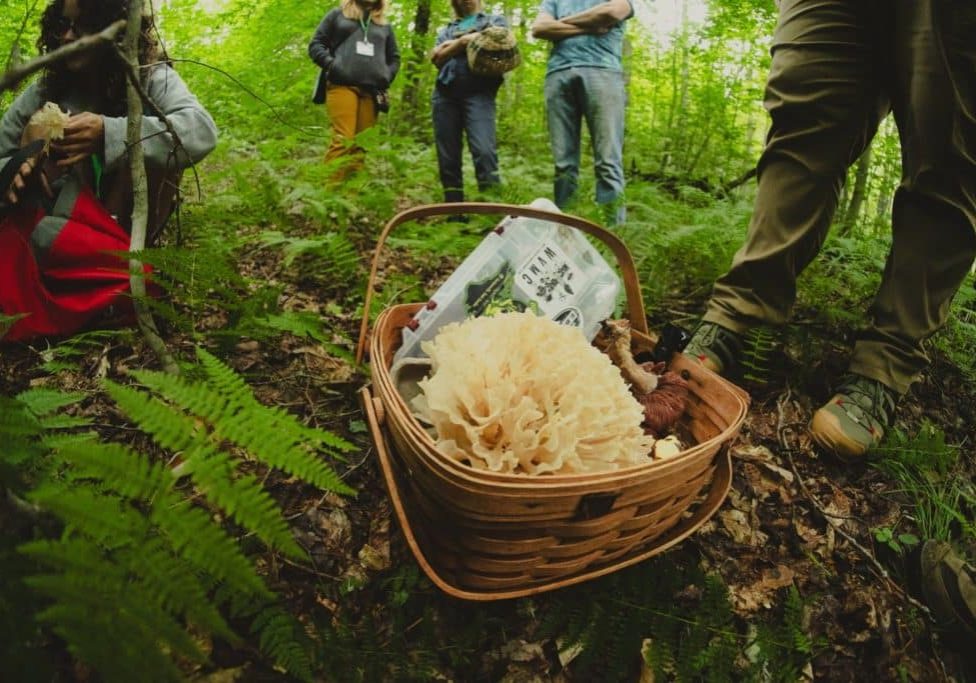
‘Foraging Is a Way of Connecting’
Foraging has experienced a modern resurgence, partly because of social media, online groups, the pandemic and people wanting to connect with nature. It also builds community, whether in person or online.

Leave a comment
Your email address will not be published. Required fields are marked *
Leave a Comment