

Two years after the coal ash disaster: Class action lawsuits target TVA and others
Story by Bill Kovarik
Lawsuits against the Tennessee Valley Authority are continuing in the wake of the coal ash disaster two years ago.
Currently, 58 lawsuits against TVA have been consolidated into a class action suit alleging various health, economic and environmental damages from the collapse of a poorly-built dam and release of one billion gallons of coal ash on Dec. 22, 2008.
The suit will be heard by a federal district court judge—not a jury as plaintiffs requested—sometime in 2011 or 2012 in eastern Tennessee. The court denied TVA’s earlier attempt to dismiss the lawsuits.
At present, plaintiffs are taking pre-trial depositions from Tom Kilgore, chief executive officer of TVA, and other TVA officials, according to the law firm Beasley-Allen. Among the evidence to be presented at the trial are positive tests for heavy metals in some residents’ bloodstream, Beasley-Allen said.
In a related lawsuit, federal courts dismissed a request for an injunction this September that would have compelled better handling procedures in the Perry County, Ala., waste dump that is receiving the TVA coal ash waste. The firms handling the waste have declared bankruptcy and must deal with bankruptcy before they can be sued on other matters, the court said.
Dr. Robert D. Bullard, director of the Environmental Justice Resource Center at Clark University in Atlanta, and a coalition of Southeastern environmental groups issued an urgent call for the reform of the EPA’s regional regulatory agency this November, noting the need for more transparency and accountability. According to Bullard, these and other coal-ash issues need to be seen in the context of the struggle for environmental justice
Meanwhile, a decision on whether to regulate coal ash as a hazardous waste is due from the EPA sometime in December, 2010 following a round of public hearings this summer and fall.
Related Articles
Latest News
More Stories

‘First Line of Defense’
During Hurricane Helene and its aftermath, rural fire departments and other first responder hubs played critical roles in keeping their communities safe, even without power and cut off from outside support for days or weeks after the storm. Two years later, plenty of work remains to ensure these hubs have the resources they need to operate day to day and be ready when emergencies or natural disasters strike.

The Rocky Road — and Bridge — to Recovery
Hurricane Helene is estimated to have damaged nearly 7,000 private roads and bridges in Western North Carolina. Two years later, many restoration projects are complete, but the journey hasn’t been easy — and isn’t over for others.
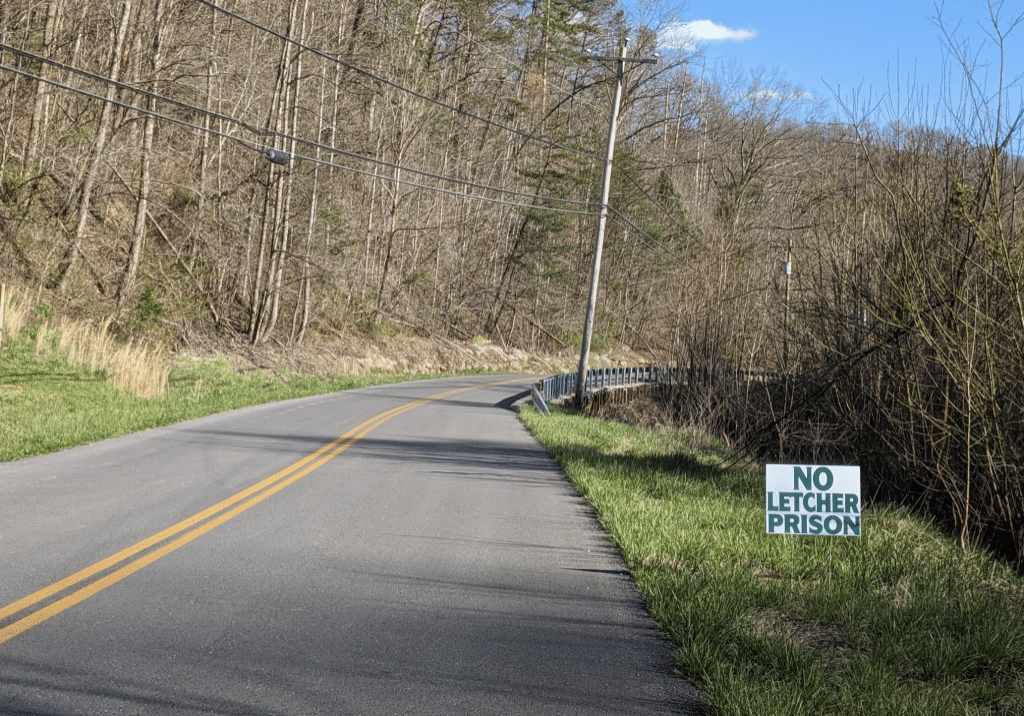
After 20 Years, Letcher County Prison Proposal Is Still Alive, Though Obstacles Remain
A $605 million proposal for a federal prison on a former strip mine site in Letcher County, Kentucky, championed by U.S. Rep. Hal Rogers, refuses to die, despite local opposition, a lack of support from the executive branch and numerous other obstacles.
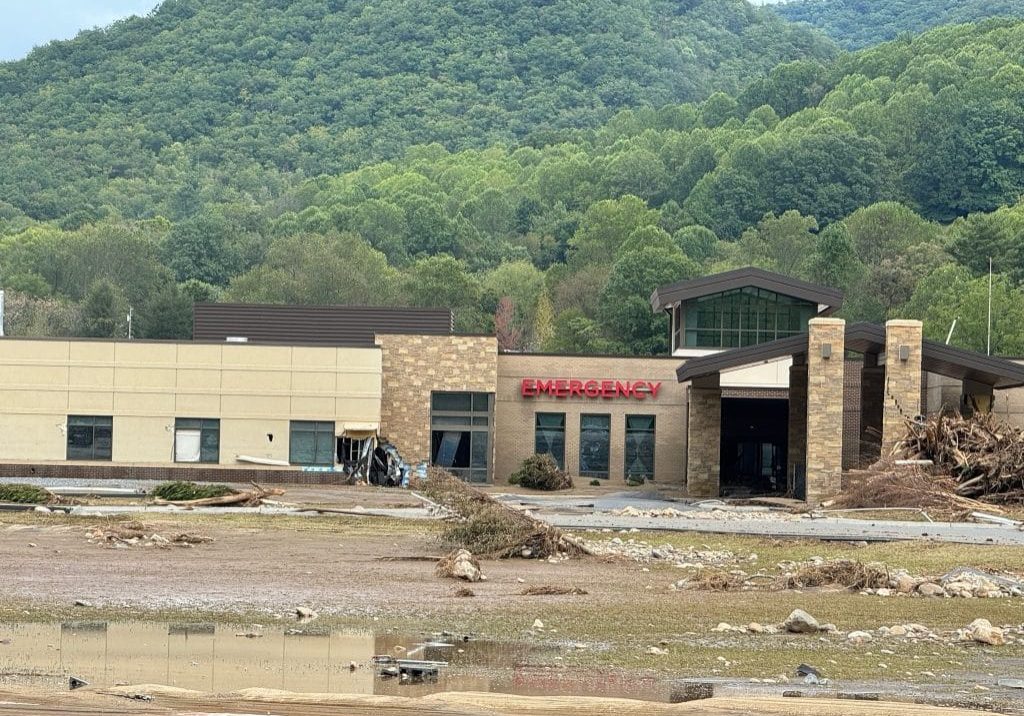
The Washout and Rebuild
For nearly two years, residents of Unicoi County, Tennessee, have had to make do without a hospital after Hurricane Helene destroyed the rural hospital. Ballad Health, which owns the hospital, broke ground on a new location — in another floodplain — in August 2026.

The Shenandoah Salamander
The Shenandoah salamander is a woodland salamander, which has adapted to life at higher elevations away from water. This sparkling rarity lives among the dry leaves, cracked logs, and stony hillocks on the highest peaks of Shenandoah National Park.
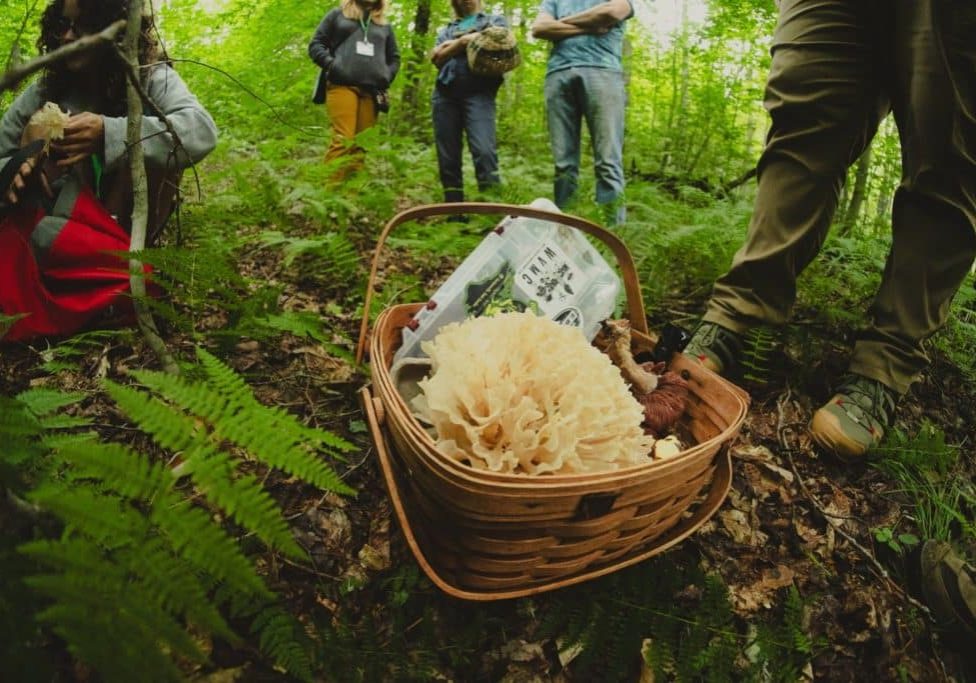
‘Foraging Is a Way of Connecting’
Foraging has experienced a modern resurgence, partly because of social media, online groups, the pandemic and people wanting to connect with nature. It also builds community, whether in person or online.

Leave a comment
Your email address will not be published. Required fields are marked *
Leave a Comment