

Story by Jillian Randel
The negative effects of fracking for natural gas just keep, well, stacking up. The impact of drilling in Appalachia has already been substantial. The Marcellus Shale formation, which stretches from New York to Pennsylvania and Ohio down to West Virginia, contains large reserves of natural gas, and instances of water contamination continue to mount. Adding fuel to the fire, President Obama delivered a controversial speech on Nov. 3, during which he voiced support for natural gas drilling.
Reigning in Methane
Judy Armstrong of Bradford County, Pa., recently filed suit against Chesapeake Appalachia, a company drilling for natural gas near her home. After drilling started in 2009, Armstrong began suffering from contact dermatitis, barium poisoning, pain and numbness in her face and hands, deformities of the bones in her hands and severe headaches. Her water tested positive for methane in September of 2009.
Uranium Unearthed During Fracking?
A recent study announced that uranium may be another heavy metal released during fracking. According to Tracy Bank, Ph.D, assistant professor of geology at the University of Buffalo and lead researcher of the study, shale rock naturally traps metals such as uranium. According to Banks’ report, fracking releases uranium into a soluble state, thus water released back to the surface during fracking could contain uranium, posing severe health risks.
“We need a fundamental understanding of how uranium exists in shale,” said Banks. “The more we understand about how it exists, the more we can better predict how it will react to fracking.”
Drilling in State Parks a Possibility
Pennsylvania’s Ohiopyle State Park, which sits atop the Marcellus Shale formation, is under threat as the natural gas industry eyes it for extraction. Pennsylvania does not own the subsurface rights of the park, increasing the potential for drilling to take place. This site is one of 35 national parks on or near the Marcellus Shale, raising the near-future question of public vs. private rights on the issue.
Thirty-two states now have natural gas fracking.
Haggling with Halliburton
In November, the EPA issued a subpoena to Halliburton for failing to submit a report of the chemicals they use during hydrofracturing. Calling the request “unreasonable,” Halliburton said it would negotiate with the EPA’s demands, but still refused to submit the requested data.
Tracking the Fracking
A community action group based out of Kentucky and Virginia created a network to address natural oil and gas issues emerging in Appalachia. The group is focused on reaching out to and educating landowners as well as working on ways to address policy makers about natural gas violations. Visit: fracturedappalachia.org for more information.
Related Articles
Latest News
More Stories
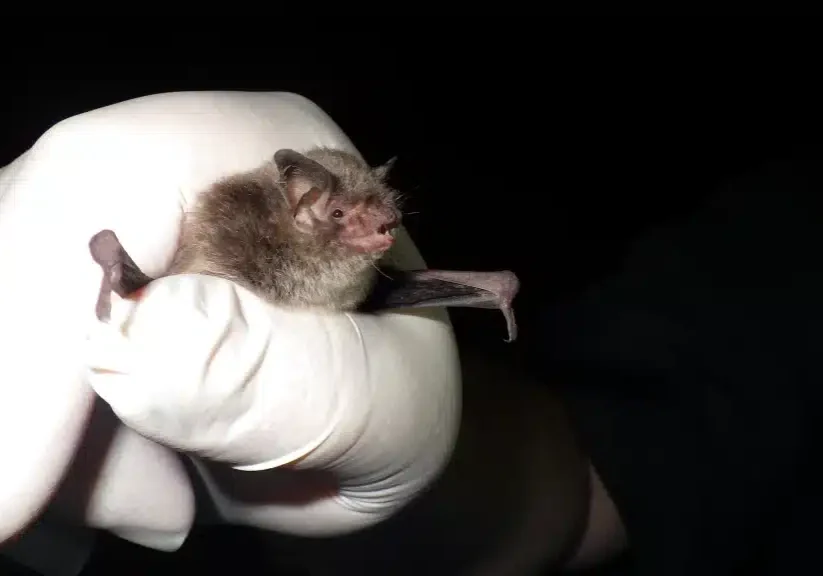
Signs of Life
In the Nantahala National Forest, a team of biologists spotted Indiana bats, an endangered species that hasn’t been seen in North Carolina for the last 11 years.

‘First Line of Defense’
During Hurricane Helene and its aftermath, rural fire departments and other first responder hubs played critical roles in keeping their communities safe, even without power and cut off from outside support for days or weeks after the storm. Two years later, plenty of work remains to ensure these hubs have the resources they need to operate day to day and be ready when emergencies or natural disasters strike.

The Rocky Road — and Bridge — to Recovery
Hurricane Helene is estimated to have damaged nearly 7,000 private roads and bridges in Western North Carolina. Two years later, many restoration projects are complete, but the journey hasn’t been easy — and isn’t over for others.
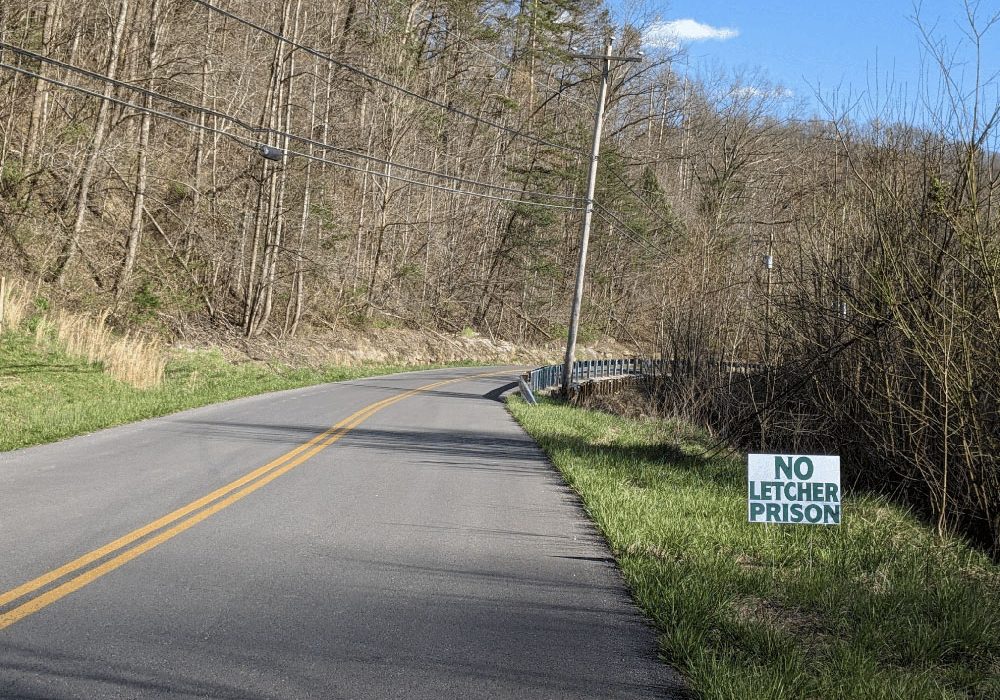
After 20 Years, Letcher County Prison Proposal Is Still Alive, Though Obstacles Remain
A $605 million proposal for a federal prison on a former strip mine site in Letcher County, Kentucky, championed by U.S. Rep. Hal Rogers, refuses to die, despite local opposition, a lack of support from the executive branch and numerous other obstacles.
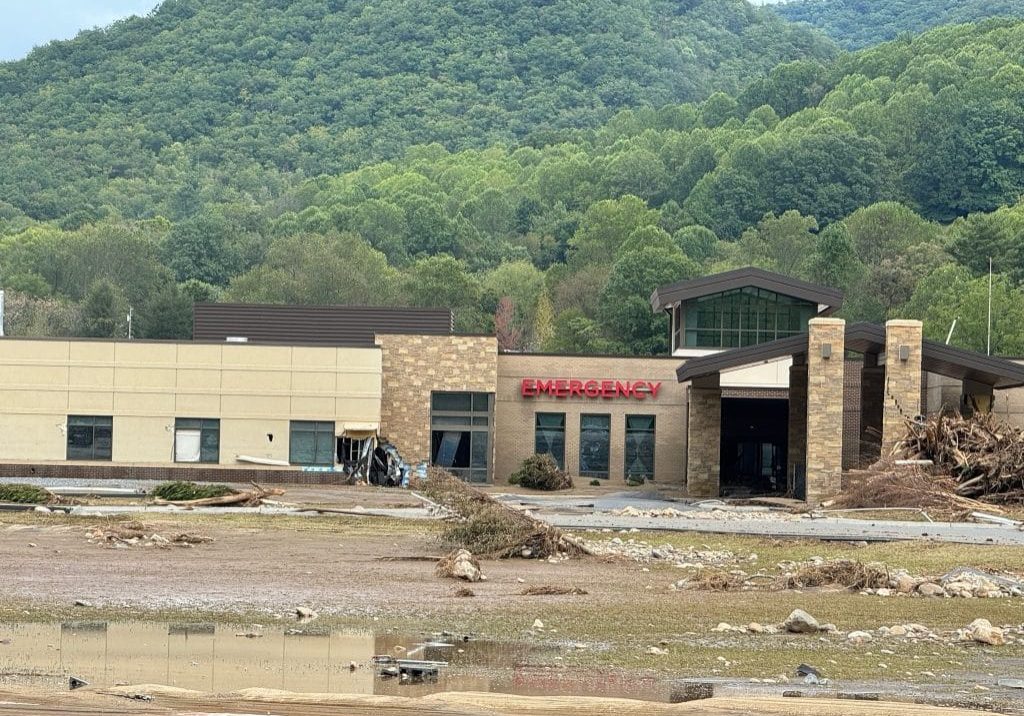
The Washout and Rebuild
For nearly two years, residents of Unicoi County, Tennessee, have had to make do without a hospital after Hurricane Helene destroyed the rural hospital. Ballad Health, which owns the hospital, broke ground on a new location — in another floodplain — in August 2026.
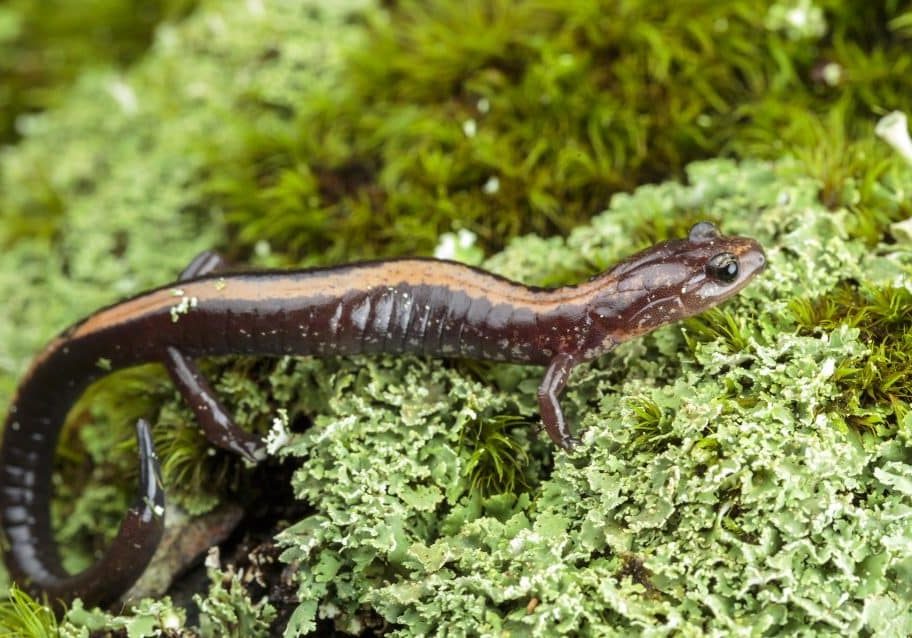
The Shenandoah Salamander
The Shenandoah salamander is a woodland salamander, which has adapted to life at higher elevations away from water. This sparkling rarity lives among the dry leaves, cracked logs, and stony hillocks on the highest peaks of Shenandoah National Park.

Leave a comment
Your email address will not be published. Required fields are marked *
Leave a Comment