

Clean Power Plan Comes with Options and Opportunities
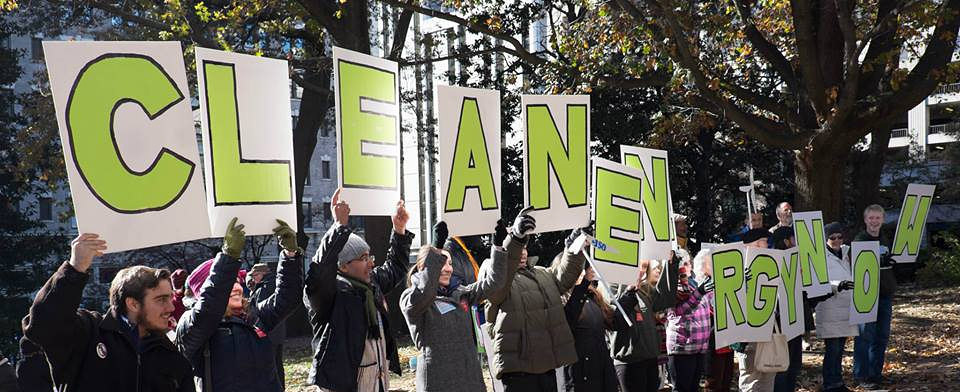
Citizens calling on lawmakers to support the EPA’s Clean Power Plan have amplified their message ahead of the final rule’s release in August. Photo courtesy of Virginia Chapter of the Sierra Club
By Brian Sewell
The U.S. Environmental Protection Agency found a familiar foe in Sen. Mitch McConnell when it announced plans to regulate carbon emissions from the nation’s power plants last summer.
The Kentucky Republican and Senate majority leader has pledged to “pursue all avenues,” whether through Congress or the courts, to cripple the EPA’s Clean Power Plan, the centerpiece of the Obama administration’s efforts to combat climate change.
McConnell even attempted to enlist officials at the state level, asking governors to rebuke the president by simply refusing to create a plan to implement the regulations.
That plot has so far failed. Ahead of the final rule’s release in August, at least 41 states are moving to meet their emissions goals, taking advantage of the flexibility offered under the plan to craft their own path to compliance.
“We have the legal — not just right and authority but responsibility — to [finalize the Clean Power Plan],” EPA Administrator Gina McCarthy said in April. “People expect us to do it. I don’t see any utility thinking we’re not going to do it. So the politics are one thing and reality is another.”
In reality, policy groups are acting as guides and convening state utility commissioners and environmental regulators to build a common understanding of the rule.
A range of recent analyses have found that, not only can states cost-effectively comply with the Clean Power Plan, they can create savings for consumers while reducing pollution. In May, the Center for Climate and Energy Solutions compared the findings of six such analyses, all of which conclude that energy efficiency is the most cost-effective way to reduce emissions and lower demand for fossil fuels.
The models also found that adopting efficiency programs minimizes impacts of the rising price of natural gas, the fuel that will cover much of coal’s lost capacity. In models where the role of energy efficiency was limited, on the other hand, costs to consumers ballooned with climbing gas prices.
But the concept that improving energy efficiency — doing more with less — can actually save money for consumers is lost on some of the plan’s opponents.
In April, the EPA’s Janet McCabe, testified to the U.S. House Committee on Energy and Commerce that, “If we use less energy, our bills can go down. And our carbon emissions can go down.” West Virginia Rep. David McKinley was shocked. “Unbelievable,” the congressman replied. “It just seems delusional.”
As for renewable energy, the anticipated growth of wind and solar mean that they will contribute to reducing carbon with or without the Clean Power Plan. States with policies that incentivize renewable energy will see the greatest benefit.
While they don’t give the public the full story about opportunities presented by the Clean Power Plan, politicians like McConnell and McKinley are rightly concerned about the rule’s impact on the coal industry. Already against the ropes, the Appalachian coal industry is expected to take a huge hit from the plan.
According to a May analysis by the U.S. Energy Information Administration, the EPA’s proposal is expected to more than double the number of coal plant retirements through 2040, which would also impact coal production. In areas already suffering the economic impacts of coal’s decline, arguments against the plan relate to coal job losses as much as energy costs.
A new study by economists at the University of Maryland and the consulting firm Industrial Economics, however, concludes that the impact of lost jobs in the coal sector would be offset by investments in cleaner energy sources and productivity gains across the U.S. economy.
Despite the flexibility given to states under the plan, those seeking to defeat it are resolute. Legislation recently introduced by Sen. Shelley Moore Capito, R-W.Va., aims to erase the Clean Power Plan, according to language of the bill, “as though the rules had never been issued.”
Related Articles
Latest News
More Stories

‘First Line of Defense’
During Hurricane Helene and its aftermath, rural fire departments and other first responder hubs played critical roles in keeping their communities safe, even without power and cut off from outside support for days or weeks after the storm. Two years later, plenty of work remains to ensure these hubs have the resources they need to operate day to day and be ready when emergencies or natural disasters strike.

The Rocky Road — and Bridge — to Recovery
Hurricane Helene is estimated to have damaged nearly 7,000 private roads and bridges in Western North Carolina. Two years later, many restoration projects are complete, but the journey hasn’t been easy — and isn’t over for others.
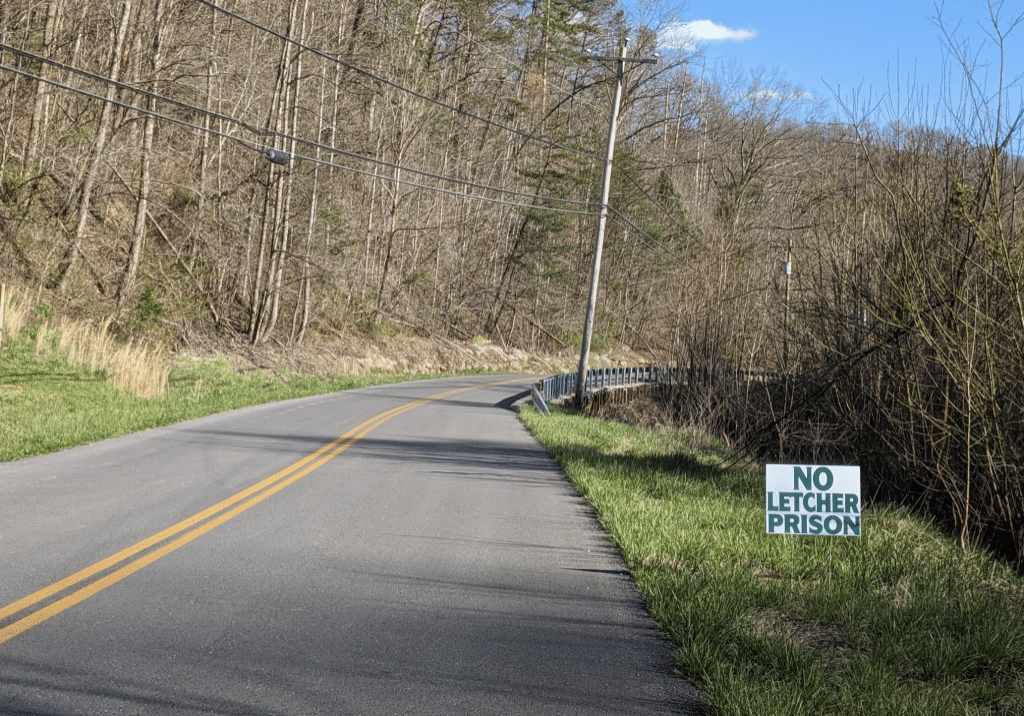
After 20 Years, Letcher County Prison Proposal Is Still Alive, Though Obstacles Remain
A $605 million proposal for a federal prison on a former strip mine site in Letcher County, Kentucky, championed by U.S. Rep. Hal Rogers, refuses to die, despite local opposition, a lack of support from the executive branch and numerous other obstacles.
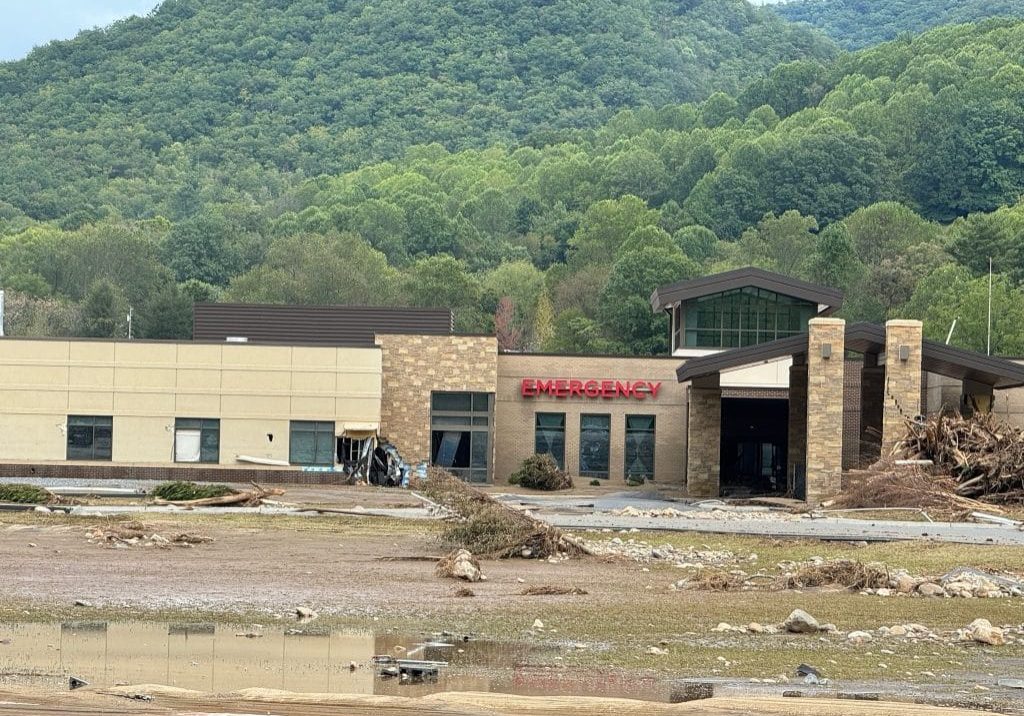
The Washout and Rebuild
For nearly two years, residents of Unicoi County, Tennessee, have had to make do without a hospital after Hurricane Helene destroyed the rural hospital. Ballad Health, which owns the hospital, broke ground on a new location — in another floodplain — in August 2026.

The Shenandoah Salamander
The Shenandoah salamander is a woodland salamander, which has adapted to life at higher elevations away from water. This sparkling rarity lives among the dry leaves, cracked logs, and stony hillocks on the highest peaks of Shenandoah National Park.

‘Foraging Is a Way of Connecting’
Foraging has experienced a modern resurgence, partly because of social media, online groups, the pandemic and people wanting to connect with nature. It also builds community, whether in person or online.

Leave a comment
Your email address will not be published. Required fields are marked *
One response to “Clean Power Plan Comes with Options and Opportunities”
-

Very well said !
Yesterday, Alpha Natural Resources announced it is seeking bankruptcy protection. The key word is PROTECTION : from their fines, responsibilities to their employees, area citizens, to their reclamation liabilities and so on !
This can be seen as an unintended consequence to an extent. Somehow, I hope that AV can act to prevent such abrogation of these responsibilities; their borderline criminality not withstanding ! Truly external but very real costs to be borne by the public.

Leave a Comment