

By Brian Sewell
Nationwide, stories regarding natural gas-related water contamination, waste disposal and property rights concerns keep bubbling up, bolstering arguments used by opponents of fracking.
And as natural gas prices rise due to cold weather and a slowdown in drilling, the fuel’s supporters are questioning how long claims of affordability will last. Increased demand this winter sent natural gas prices surging to levels not seen since 2010.
According to the Wall Street Journal, prices typically spike to between $40 and $50 per million British thermal units in periods of cold weather. But in mid-January prices soared to as much as $135 in some areas.
Regardless of price, however, natural gas’ desirability as an energy source is suffering from largely unaddressed environmental concerns related to drilling and transportation.
Despite evidence that fracking has contaminated water — cases in Pennsylvania, Ohio, Texas, and West Virginia were recently confirmed by the Associated Press — natural gas continues to be a significant component of America’s energy policy and portfolio.
Fracking is regulated on a state-by-state basis and, according to a report by the EPA Inspector General released at the end of 2013, the U.S. Environmental Protection Agency is unlikely to step up enforcement efforts due to budgetary constraints and a lack of political will.
Fracking Appalachia
The proposed Bluegrass Pipeline, which would transport natural gas through northern Kentucky, led to the introduction of several bills clarifying when, and by who, eminent domain can be used for energy-related projects.
North Carolina’s Mining and Energy Commission recently finalized chemical disclosure rules opting to allow natural gas companies to maintain “trade secrets” related to chemicals used during drilling. Companies will have to make the case for chemicals they consider to be trade secrets in meetings with the N.C. Department of Environment and Natural Resources. But those meetings will reportedly be “closed-door” and, according to Ray Covington, the vice chairman of the commission, DENR will not keep records of approved trade secrets.
The Pennsylvania Senate Appropriations committee approved a measure to limit the liability of drilling companies that use acid mine drainage to replace fresh water used in fracking.
The U.S. Forest Service is considering allowing fracking in Virginia’s George Washington National Forest despite a 2011 management plan that prohibited drilling in the forest.
Landfills in West Virginia can now accept an unlimited amount of solid waste from fracking operations after regulators quietly changed a rule in order to ease waste problems related to the practice.
EPA Publishes Carbon Rule for New Power Plants
On Jan. 8, the U.S. Environmental Protection Agency published a draft rule to limit carbon emissions from new power plants. Under the rule, new coal-fired power plants can emit 1,100 pounds of carbon dioxide per megawatt-hour, around 35 percent less than the average coal plant produces. New natural gas plants are limited to 1,000 pounds of carbon dioxide per megawatt-hour.
The EPA faces a June 1 deadline to release a draft rule for existing power plants, which are responsible for 40 percent of carbon pollution in the U.S.
Related Articles
Latest News
More Stories

‘First Line of Defense’
During Hurricane Helene and its aftermath, rural fire departments and other first responder hubs played critical roles in keeping their communities safe, even without power and cut off from outside support for days or weeks after the storm. Two years later, plenty of work remains to ensure these hubs have the resources they need to operate day to day and be ready when emergencies or natural disasters strike.

The Rocky Road — and Bridge — to Recovery
Hurricane Helene is estimated to have damaged nearly 7,000 private roads and bridges in Western North Carolina. Two years later, many restoration projects are complete, but the journey hasn’t been easy — and isn’t over for others.
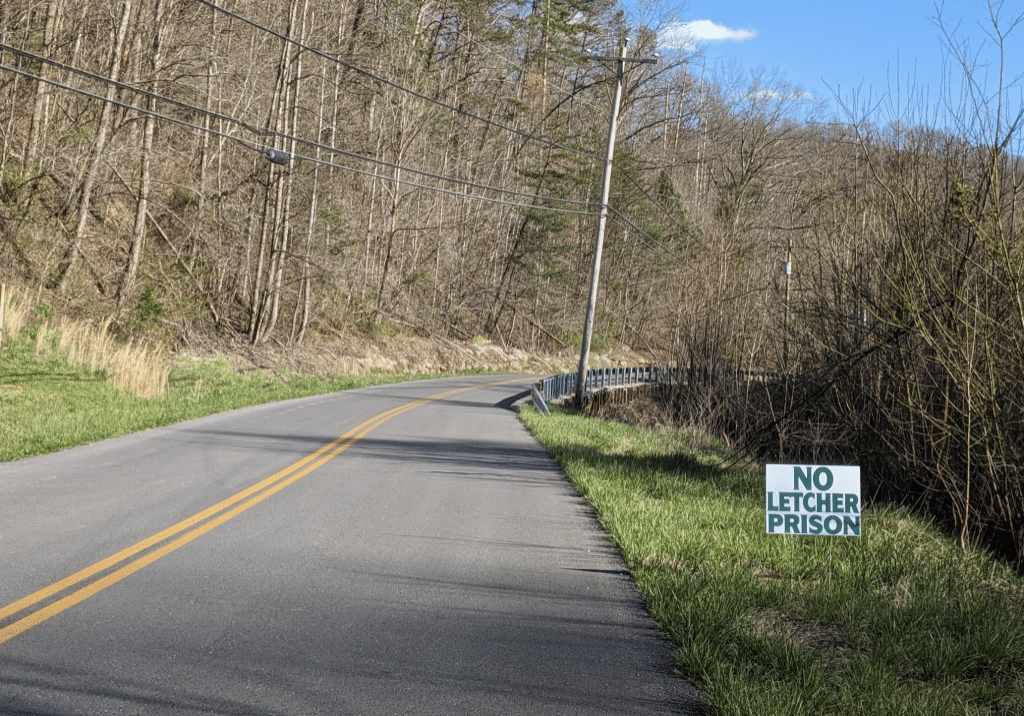
After 20 Years, Letcher County Prison Proposal Is Still Alive, Though Obstacles Remain
A $605 million proposal for a federal prison on a former strip mine site in Letcher County, Kentucky, championed by U.S. Rep. Hal Rogers, refuses to die, despite local opposition, a lack of support from the executive branch and numerous other obstacles.
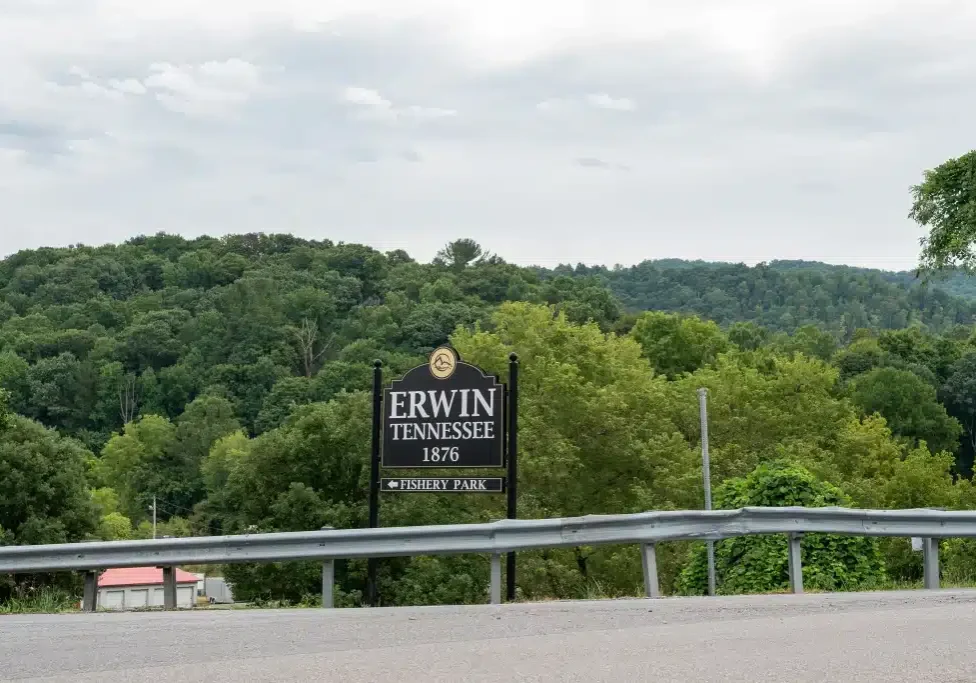
The Washout and Rebuild
For nearly two years, residents of Unicoi County, Tennessee, have had to make do without a hospital after Hurricane Helene destroyed the rural hospital. Ballad Health, which owns the hospital, broke ground on a new location — in another floodplain — in August 2026.

The Shenandoah Salamander
The Shenandoah salamander is a woodland salamander, which has adapted to life at higher elevations away from water. This sparkling rarity lives among the dry leaves, cracked logs, and stony hillocks on the highest peaks of Shenandoah National Park.

‘Foraging Is a Way of Connecting’
Foraging has experienced a modern resurgence, partly because of social media, online groups, the pandemic and people wanting to connect with nature. It also builds community, whether in person or online.

Leave a comment
Your email address will not be published. Required fields are marked *
Leave a Comment