

By Molly Moore
When more than 1,700 citizens gathered in Pikeville, Ky., to discuss ideas for regional economic revitalization at the Shaping Our Appalachian Region (SOAR) Summit last December, the crowd was diverse.
In attendance were concerned citizens, grassroots organizers and many of the state’s government and business leaders.
During breakout sessions, participants discussed topics such as jobs, entrepreneurship, infrastructure, tourism and regional identity. Common themes included the need to invest coal severance taxes back into coal-impacted communities and to encourage youth to remain in the region.
Progress was quick regarding one of the most popular ideas at the summit: the expansion of broadband internet in under-served eastern Kentucky. In January, Gov. Steve Beshear and U.S. Rep. Hal Rogers announced $100 million in federal, state and private funding to bolster the region’s internet access. The Lexington Herald-Leader reported that it could take three years to install fiber optic infrastructure, the first phase of the project.
Another project touted by politicians at the summit was the expansion of the Mountain Parkway between central Kentucky and Pikeville to four lanes, a $750 million, six-year project that Gov. Beshear has called on lawmakers to approve.
Also in January, President Obama declared that eastern Kentucky would be one of five new “promise zones” where the area will be given special preference for federal grant dollars through existing programs. The initiative also aims to diversify the economy by increasing support for education, leadership and job training and establishing a revolving loan fund for small businesses.
To learn more about the SOAR Summit, read the report at governor.ky.gov/Documents/SOAR-report.pdf.
Recent Conservation Gains in Appalachia
By Meredith Warfield
With the Southeastern Cave Conservancy’s recent 75-acre land acquisition, two caves that were formerly off-limits have now been opened to the public in eastern Tennessee. The Run to the Mill Cave Preserve includes a pit nearly 170 feet deep and the largest population of endangered Indiana Bats in the state. Preliminary studies have revealed a likely presence of white-nose syndrome — an infection that has wiped out roughly 5.7 million bats in eastern North America. By managing the property, researchers hope to contain this disease and maintain local ecosystem health.
A 21-acre addition to the Chattahoochee National Forest in Georgia will ensure protection of the Soque River, a critical tributary to Atlanta’s primary drinking water source. The Soque River is also home to a significant population of brook trout, Georgia’s only native species of trout. With the Trust for Public Land’s purchase, the public will have use of the fishing waters as well as easier access to thousands of surrounding acres of national forest.
Related Articles
Latest News
More Stories

Signs of Life
In the Nantahala National Forest, a team of biologists spotted Indiana bats, an endangered species that hasn’t been seen in North Carolina for the last 11 years.

‘First Line of Defense’
During Hurricane Helene and its aftermath, rural fire departments and other first responder hubs played critical roles in keeping their communities safe, even without power and cut off from outside support for days or weeks after the storm. Two years later, plenty of work remains to ensure these hubs have the resources they need to operate day to day and be ready when emergencies or natural disasters strike.

The Rocky Road — and Bridge — to Recovery
Hurricane Helene is estimated to have damaged nearly 7,000 private roads and bridges in Western North Carolina. Two years later, many restoration projects are complete, but the journey hasn’t been easy — and isn’t over for others.
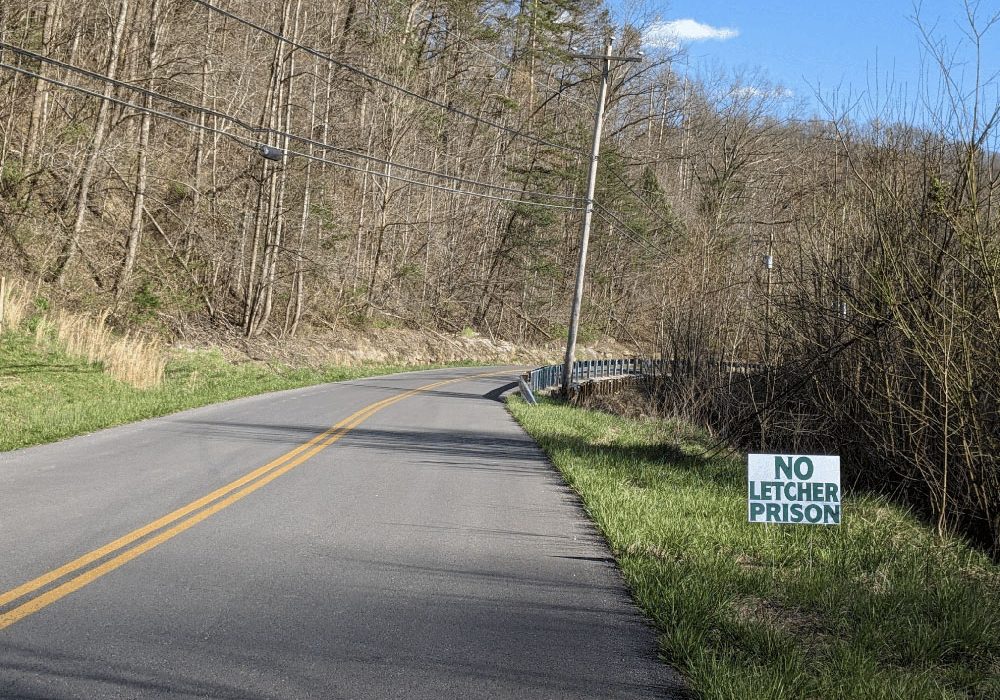
After 20 Years, Letcher County Prison Proposal Is Still Alive, Though Obstacles Remain
A $605 million proposal for a federal prison on a former strip mine site in Letcher County, Kentucky, championed by U.S. Rep. Hal Rogers, refuses to die, despite local opposition, a lack of support from the executive branch and numerous other obstacles.
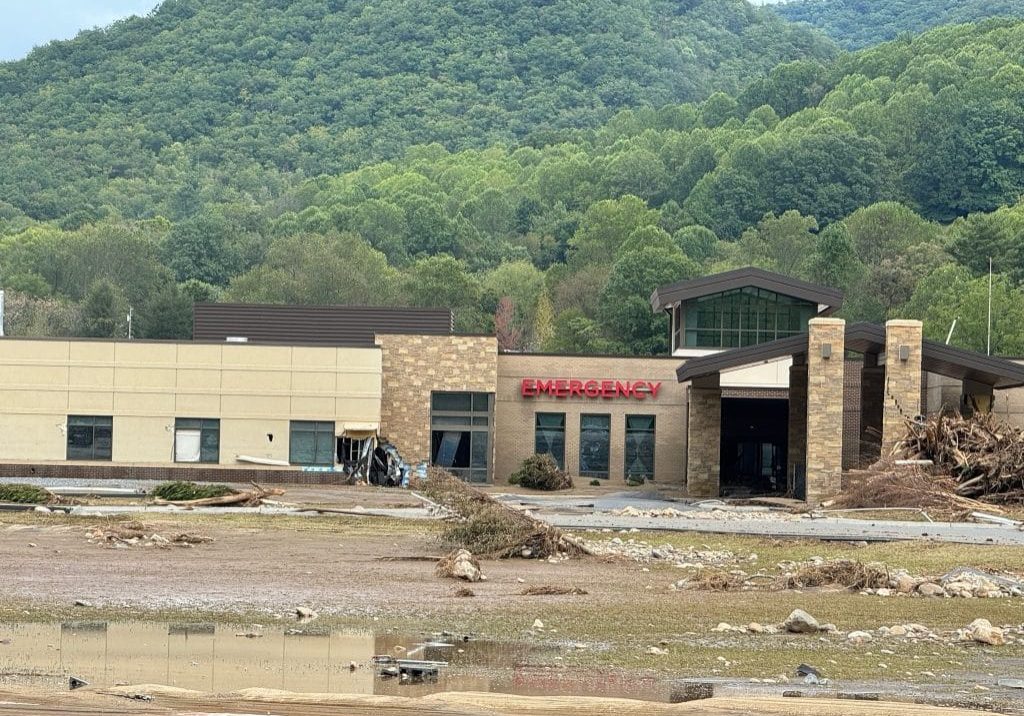
The Washout and Rebuild
For nearly two years, residents of Unicoi County, Tennessee, have had to make do without a hospital after Hurricane Helene destroyed the rural hospital. Ballad Health, which owns the hospital, broke ground on a new location — in another floodplain — in August 2026.
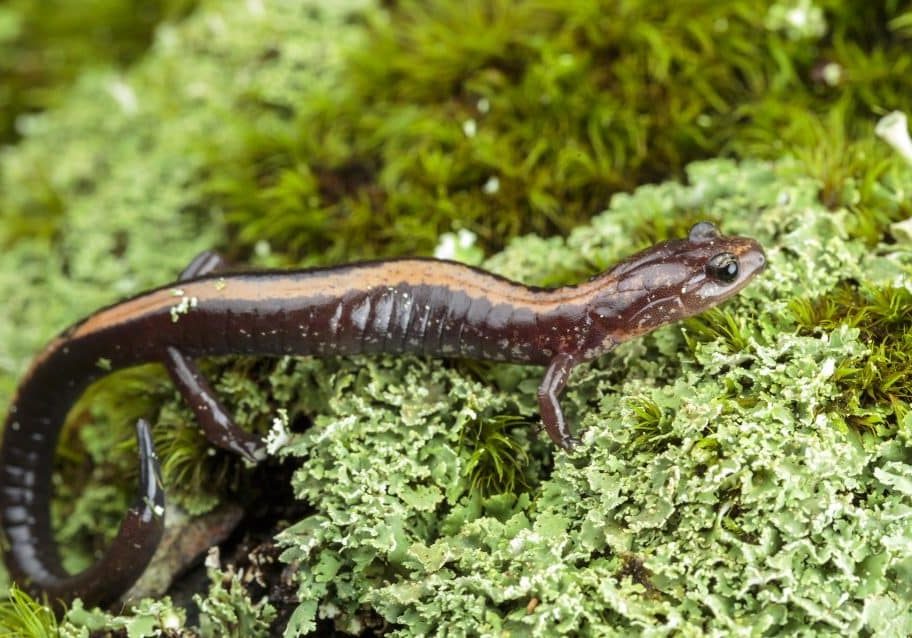
The Shenandoah Salamander
The Shenandoah salamander is a woodland salamander, which has adapted to life at higher elevations away from water. This sparkling rarity lives among the dry leaves, cracked logs, and stony hillocks on the highest peaks of Shenandoah National Park.

Leave a comment
Your email address will not be published. Required fields are marked *
Leave a Comment