

EPA Gets Its Day in Court: Hearings Begin on Spruce Mine No. 1 Appeal
By Brian Sewell
Dozens of coal industry groups and environmental organizations crowded into a Washington, D.C., courtroom on March 14 for the latest chapter of a long legal battle. A three-judge panel heard arguments on the legality of the U.S. Environmental Protection Agency’s decision to veto permits for one of the largest mountaintop removal coal mines ever proposed in Appalachia.
The original permits for Mingo County Coal’s Spruce Mine No. 1 were approved by the U.S. Army Corps of Engineers in 2007 after the company addressed EPA concerns by reducing the size of the permit by 835 acres. In 2011, however, the EPA revoked the permits, citing unacceptable damage to water quality. The agency said permitted valley fills at the mine would bury more than six miles of streams with millions of tons of mining waste, eliminating all fish, small invertebrates, salamanders and other wildlife.
The action received swift condemnation from Appalachian politicians and was challenged immediately by the National Mining Association. On March 23, 2012, the veto was overturned in a D.C. District Court. In her decision, Judge Amy Berman Jackson wrote that the EPA’s attempt to veto permits after they had been issued is “unprecedented in the history of the Clean Water Act.” The EPA is back in court appealing the decision to overturn its veto.
Lawyers representing Mingo County Coal, a subsidiary of St. Louis-based Arch Coal, argue that if the EPA’s veto stands, it will “create uncertainty, hinder investments and stifle economic growth in the region.” The EPA maintains that such concerns are unfounded because it has only retroactively rescinded two other permits in the 40 years since the Clean Water Act created the permitting process.
Arguments made on the EPA’s behalf by the Justice Department maintain that the agency’s role is not to duplicate the Corps’ responsibilities, but “to exercise independent judgment, based on the record, when deciding under Section 404 of the Clean Water Act whether adverse effects to waters of the United States will occur and whether or not these effects are acceptable.”
The court’s decision could have implications for the approval of valley fill permits at surface mines by deciding just how much environmental damage is “unacceptable” when it comes to mountaintop removal.
Related Articles
Latest News
More Stories

Signs of Life
In the Nantahala National Forest, a team of biologists spotted Indiana bats, an endangered species that hasn’t been seen in North Carolina for the last 11 years.

‘First Line of Defense’
During Hurricane Helene and its aftermath, rural fire departments and other first responder hubs played critical roles in keeping their communities safe, even without power and cut off from outside support for days or weeks after the storm. Two years later, plenty of work remains to ensure these hubs have the resources they need to operate day to day and be ready when emergencies or natural disasters strike.

The Rocky Road — and Bridge — to Recovery
Hurricane Helene is estimated to have damaged nearly 7,000 private roads and bridges in Western North Carolina. Two years later, many restoration projects are complete, but the journey hasn’t been easy — and isn’t over for others.
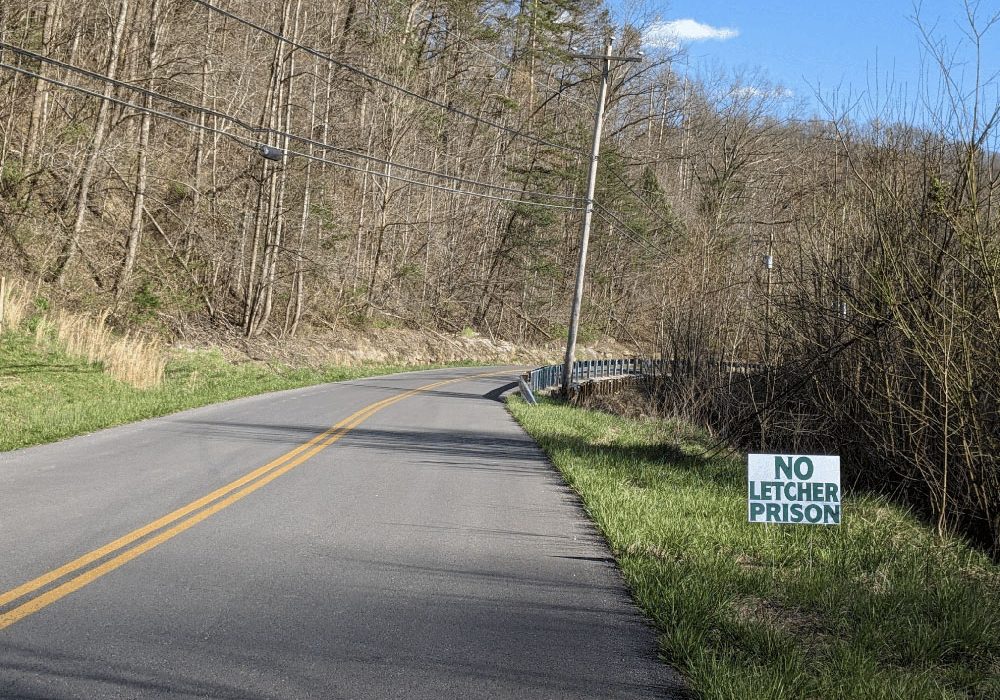
After 20 Years, Letcher County Prison Proposal Is Still Alive, Though Obstacles Remain
A $605 million proposal for a federal prison on a former strip mine site in Letcher County, Kentucky, championed by U.S. Rep. Hal Rogers, refuses to die, despite local opposition, a lack of support from the executive branch and numerous other obstacles.
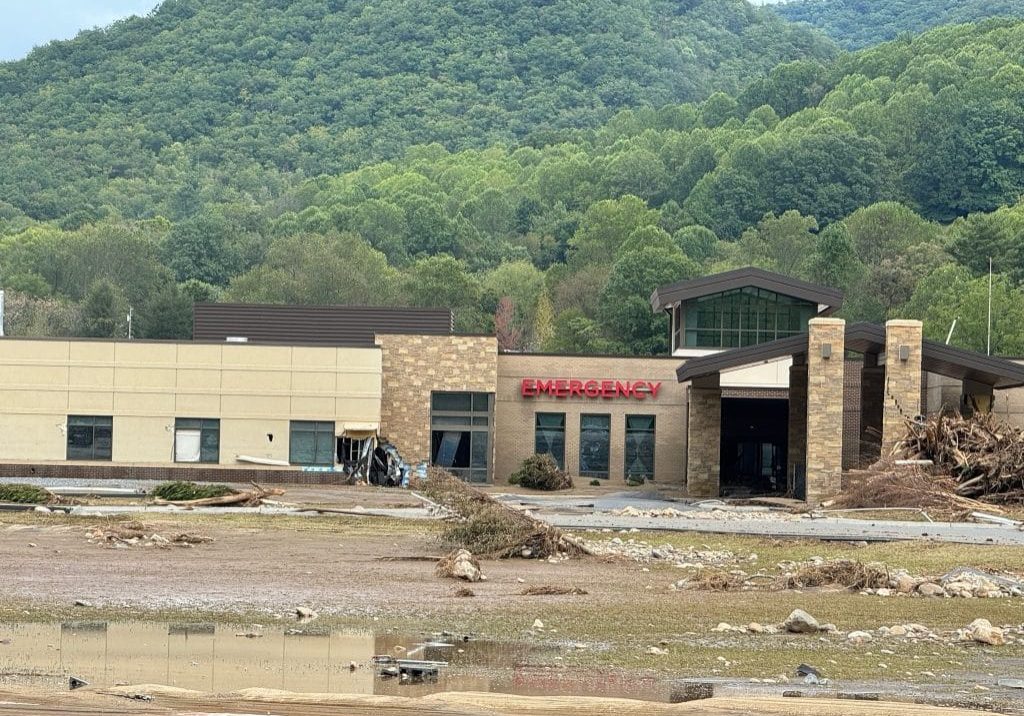
The Washout and Rebuild
For nearly two years, residents of Unicoi County, Tennessee, have had to make do without a hospital after Hurricane Helene destroyed the rural hospital. Ballad Health, which owns the hospital, broke ground on a new location — in another floodplain — in August 2026.
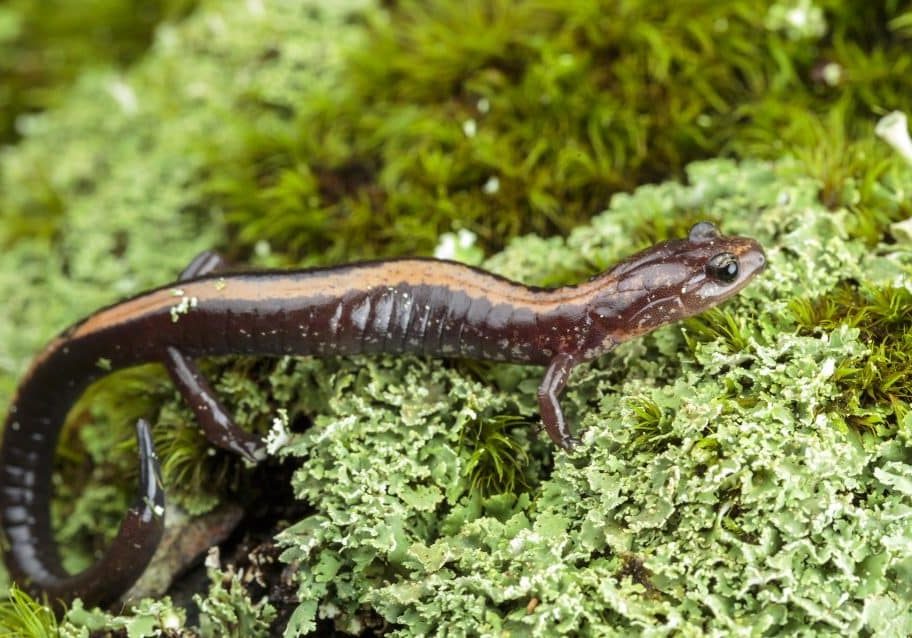
The Shenandoah Salamander
The Shenandoah salamander is a woodland salamander, which has adapted to life at higher elevations away from water. This sparkling rarity lives among the dry leaves, cracked logs, and stony hillocks on the highest peaks of Shenandoah National Park.

Leave a comment
Your email address will not be published. Required fields are marked *
Leave a Comment