

A Miner’s Response
Dear Editor,
I am writing on behalf of myself and many coal miners throughout Southwest Virginia. I am a reader of your newspaper and an avid outdoorsman and conservationist.
Recently, as I read through [Two Miles from Hell: a Miner’s Story in the March 2010 issue], I was appalled at the biased point of view that you let be published in your paper.
The way this man feels is in no way how the industry of coal mining is, and therefore should not be depicted as such. The mining industry cannot help that he is unhappy with his job, and giving him a platform to bash the entire industry for it is shameful.
I work in a deep mine much like the one described in the story, and I really love my job. I am third generation coal miner and I am proud to work for my family.
I, Like many if not most miners, am disgusted at mountaintop removal. It is a cheap and disrespectful way to ravish our land. Many of us are ardent hunters and fishermen, as well as hikers who love the outdoors and work hard to protect it.
Nonetheless, this article has undoubtedly tarnished the view of the coal industry, when it is just one man’s opinion. I am saddened at this, as coal is much of the livelihood of our area. I am proud to provide for my family, and this man needs to either become proud of the work he does or leave the industry, because his type of attitude leads to neglect of the job and eventually accidents.
I hope that a retraction or apology is printed underscoring the values of true coal miners. We love our country, our lands, and our jobs.
Thank you, Justin Honaker
Related Articles
Latest News
More Stories

Signs of Life
In the Nantahala National Forest, a team of biologists spotted Indiana bats, an endangered species that hasn’t been seen in North Carolina for the last 11 years.

‘First Line of Defense’
During Hurricane Helene and its aftermath, rural fire departments and other first responder hubs played critical roles in keeping their communities safe, even without power and cut off from outside support for days or weeks after the storm. Two years later, plenty of work remains to ensure these hubs have the resources they need to operate day to day and be ready when emergencies or natural disasters strike.

The Rocky Road — and Bridge — to Recovery
Hurricane Helene is estimated to have damaged nearly 7,000 private roads and bridges in Western North Carolina. Two years later, many restoration projects are complete, but the journey hasn’t been easy — and isn’t over for others.
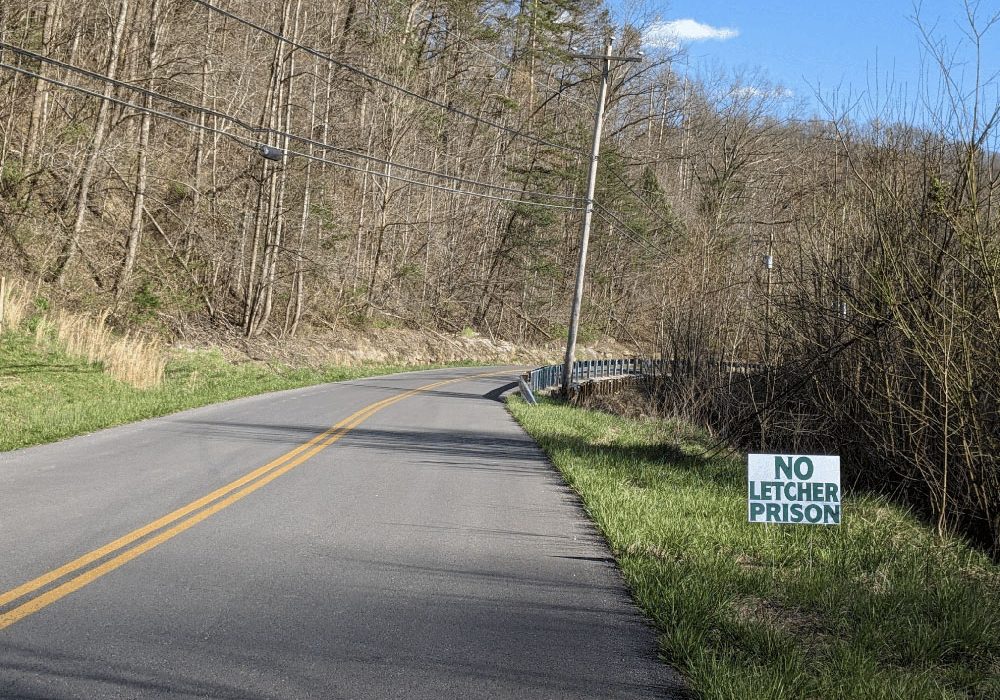
After 20 Years, Letcher County Prison Proposal Is Still Alive, Though Obstacles Remain
A $605 million proposal for a federal prison on a former strip mine site in Letcher County, Kentucky, championed by U.S. Rep. Hal Rogers, refuses to die, despite local opposition, a lack of support from the executive branch and numerous other obstacles.
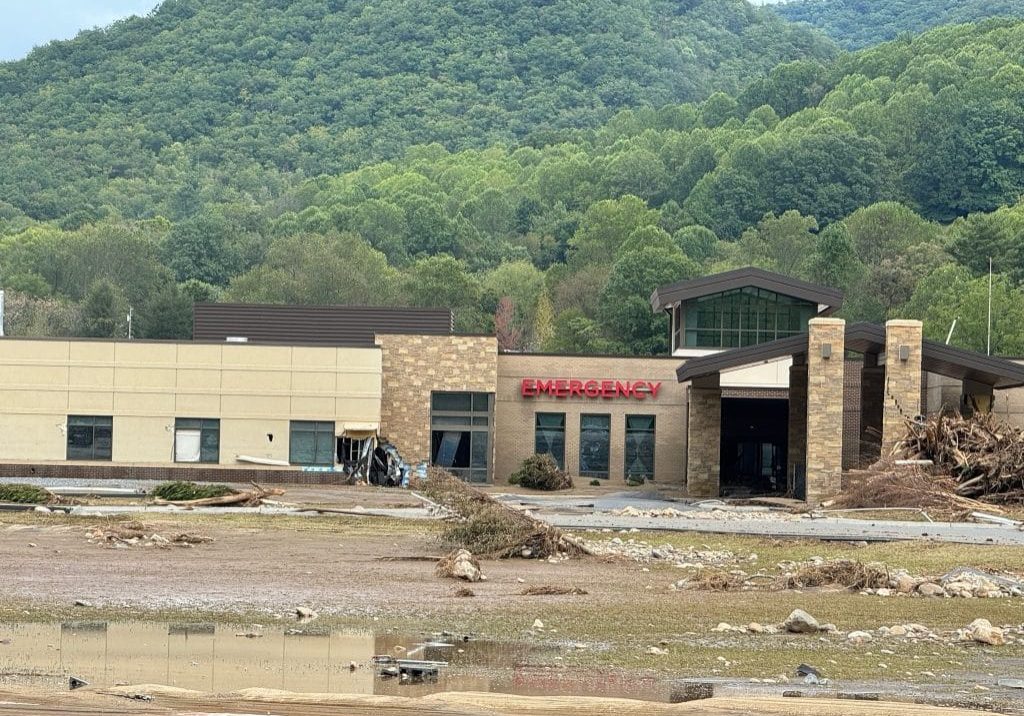
The Washout and Rebuild
For nearly two years, residents of Unicoi County, Tennessee, have had to make do without a hospital after Hurricane Helene destroyed the rural hospital. Ballad Health, which owns the hospital, broke ground on a new location — in another floodplain — in August 2026.

The Shenandoah Salamander
The Shenandoah salamander is a woodland salamander, which has adapted to life at higher elevations away from water. This sparkling rarity lives among the dry leaves, cracked logs, and stony hillocks on the highest peaks of Shenandoah National Park.

Leave a comment
Your email address will not be published. Required fields are marked *
Leave a Comment