

Organizational Roundup
Fighting Tennessee Valley Assumptions
Appalachian Voices recently joined forces with the Sierra Club and Tennessee Clean Water Network to call on the Tennessee Valley Authority to not overhaul its aging Gallatin Fossil Plant without fully considering cleaner and cheaper options. TVA unveiled a draft Environmental Assessment for plans to sink over $1 billion into the aging coal-fired power plant for new scrubbers, but their public comment period only provided a thirty day-window for citizens to weigh in via mail and did not include a public hearing. The letter by our network of groups urged TVA to complete a much more comprehensive Environmental Impact Study, extend the comment period, open up discussions for public hearings and provide key background documents supporting its assumptions.
TVA’s plans would raise customer bills for years to come, even though a recent report shows that if the government-owned utility invested the same amount of money in energy efficiency, it could replace the Gallatin coal plant by 2015 and save TVA customers billions of dollars over the next twenty years while simultaneously reducing dangerous air pollution.
Dirty Money and Dirty Power in Virginia
On the eve of an annual energy conference hosted by the governor of Virginia, Appalachian Voices joined Sierra Club and Chesapeake Climate Action Network to released a timely report revealing the influence that coal companies and utilities wield over Virginia energy policy. In the report, “Dirty Money, Dirty Power,” the groups analyzed more than a decade of publicly available data to draw connections between political campaign contributions and the poor record of Virginia’s government in advancing energy efficiency and renewable programs compared to other states. The day following the release, Tom Cormons and Nathan Jenkins of our Virginia team attended the governor’s conference — sponsored by energy giants such as Dominion Power, Alpha Natural Resources and Appalachian Power — and spread a little clean energy love in what was otherwise a very coal-friendly conference. Visit appvoices.org/reports.
A Fond Farewell
The Appalachian Voice and Appalchian Voices would like to bid a fond farewell to our clever visual visonary, Meghan Darst, as she heads off to explore the marketing world wilds of Charlotte, N.C. Meghan started as an intern a year and a half ago, and soon jumped into a vital role on our Communications team. We will miss her sweet nature and willingness to tackle any graphics job — big or small. Best wishes!
Related Articles
Latest News
More Stories

‘First Line of Defense’
During Hurricane Helene and its aftermath, rural fire departments and other first responder hubs played critical roles in keeping their communities safe, even without power and cut off from outside support for days or weeks after the storm. Two years later, plenty of work remains to ensure these hubs have the resources they need to operate day to day and be ready when emergencies or natural disasters strike.

The Rocky Road — and Bridge — to Recovery
Hurricane Helene is estimated to have damaged nearly 7,000 private roads and bridges in Western North Carolina. Two years later, many restoration projects are complete, but the journey hasn’t been easy — and isn’t over for others.
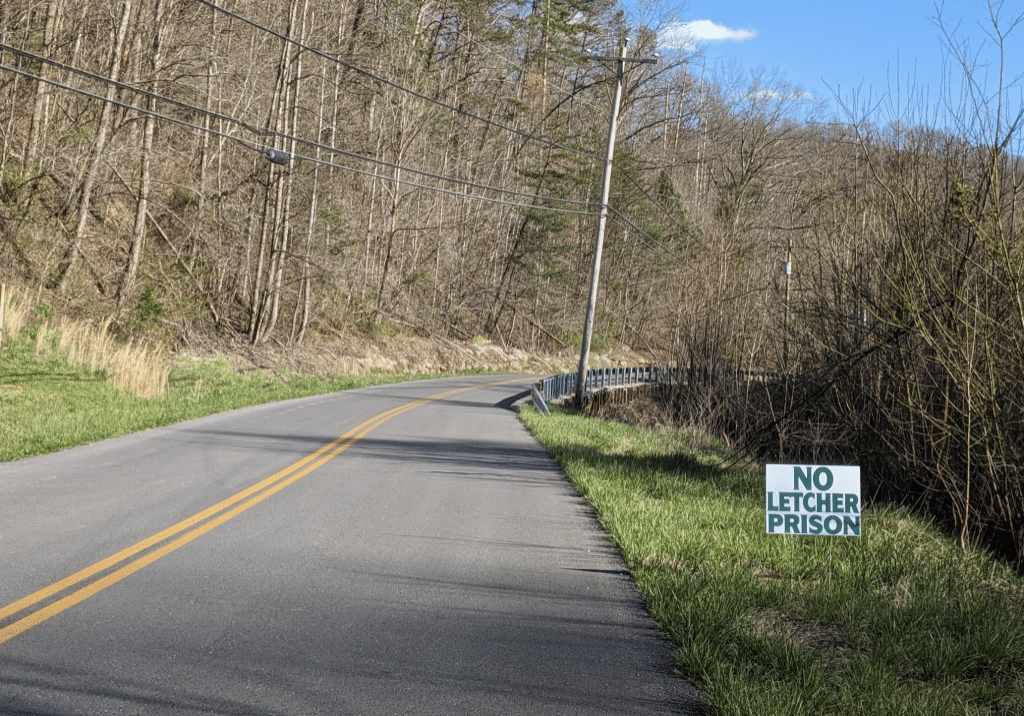
After 20 Years, Letcher County Prison Proposal Is Still Alive, Though Obstacles Remain
A $605 million proposal for a federal prison on a former strip mine site in Letcher County, Kentucky, championed by U.S. Rep. Hal Rogers, refuses to die, despite local opposition, a lack of support from the executive branch and numerous other obstacles.
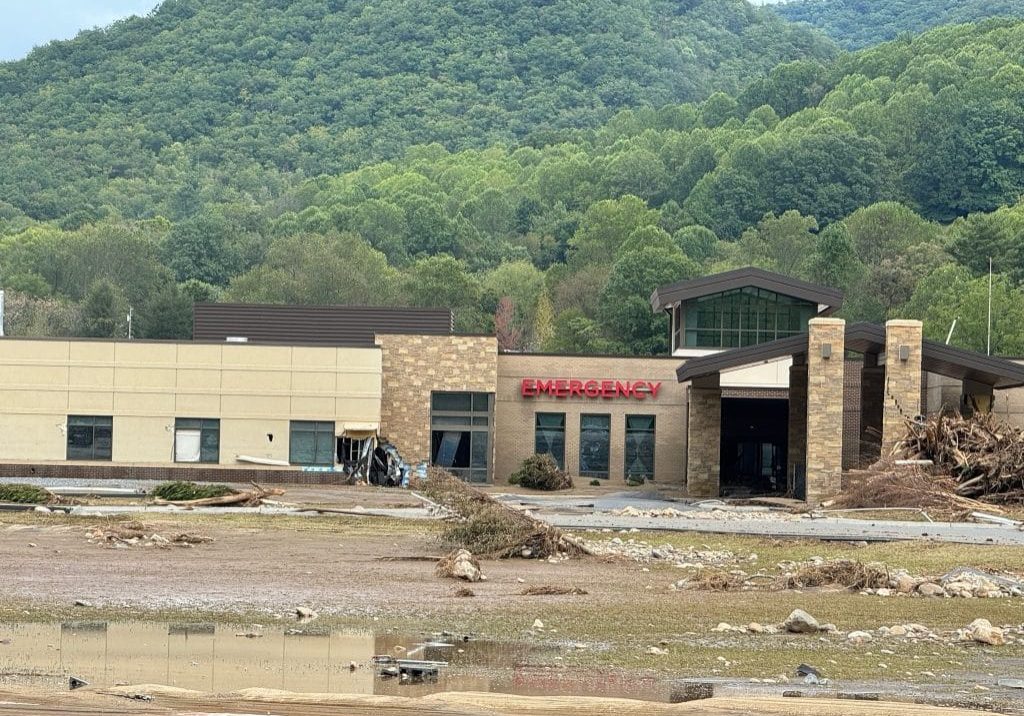
The Washout and Rebuild
For nearly two years, residents of Unicoi County, Tennessee, have had to make do without a hospital after Hurricane Helene destroyed the rural hospital. Ballad Health, which owns the hospital, broke ground on a new location — in another floodplain — in August 2026.
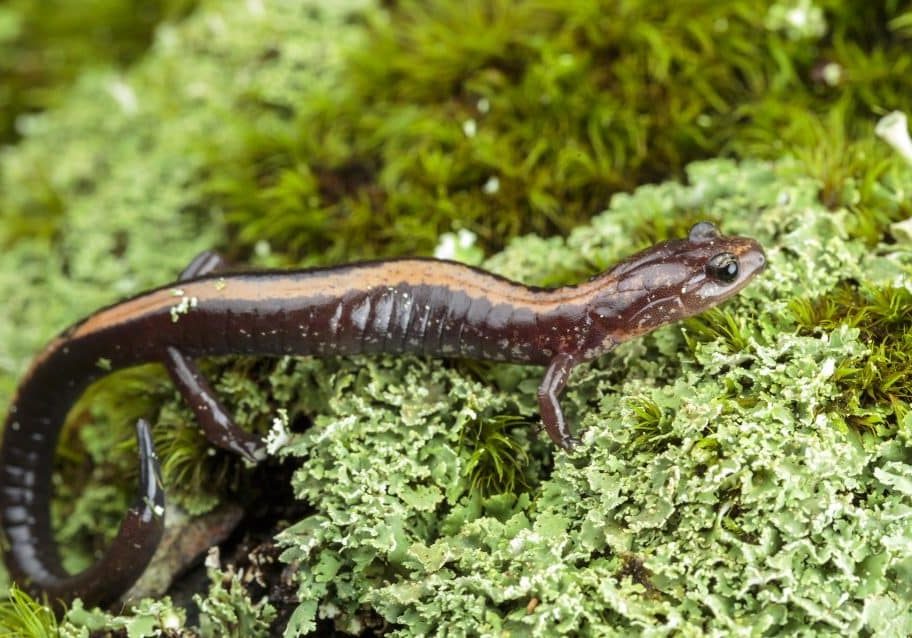
The Shenandoah Salamander
The Shenandoah salamander is a woodland salamander, which has adapted to life at higher elevations away from water. This sparkling rarity lives among the dry leaves, cracked logs, and stony hillocks on the highest peaks of Shenandoah National Park.
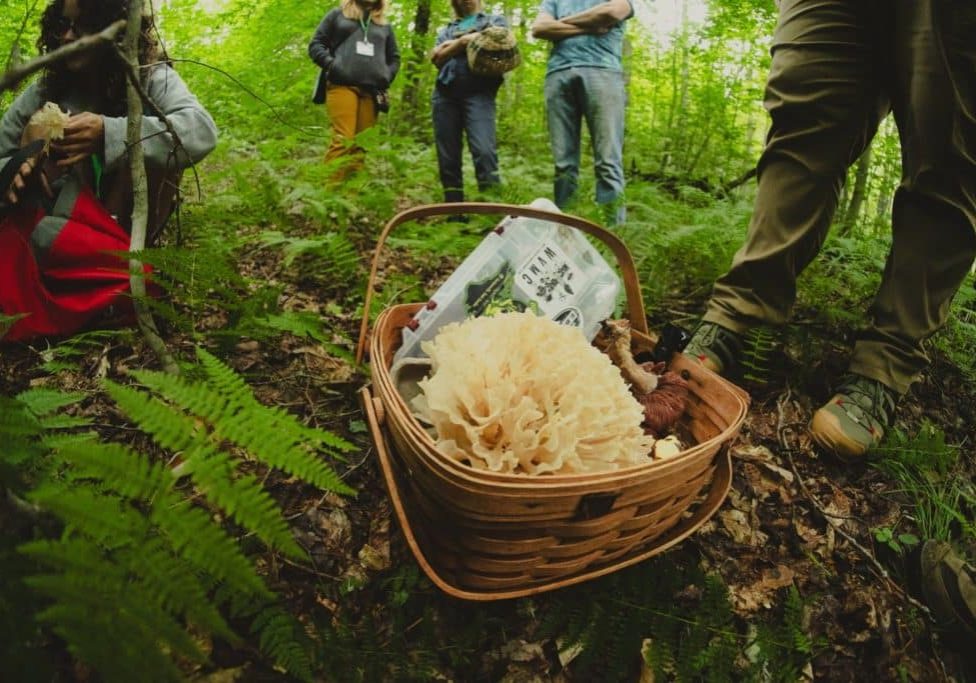
‘Foraging Is a Way of Connecting’
Foraging has experienced a modern resurgence, partly because of social media, online groups, the pandemic and people wanting to connect with nature. It also builds community, whether in person or online.

Leave a comment
Your email address will not be published. Required fields are marked *
Leave a Comment