

Kentucky Institutes Task Force on Biofuels
A task force on biofuels and biomass appointed by Kentucky Governor Steve Beshear held their first meeting in September. The group was formed as part of Kentucky’s recent energy initiative, titled “Intelligent Energy Choices for Kentucky’s Future.” The group hopes Kentucky can produce enough biofuel by 2025 to cover 12 percent of its transportation fuel demand. Senators and State Representatives will work with farmers, the Director of the state Nature Conservancy, academics from UK’s agriculture program and the President of the Kentucky Woodland Owners Association to craft legislation and programming to achieve these energy goals.
. . . . . . . . . . . . . . . . . . . . . . .
West Virginia Most Medicated State
West Virginia topped the list of the nation’s most medicated states in a prescription drug study published in Forbes magazine. The study found West Virginians filling 17.7 prescriptions per person last year, far exceeding the national average of 11.5. The top three selling drugs were all cardiovascular, followed closely by pain-relievers and anti-depressants. West Virginia is also above the national average in heart-disease related deaths. State officials say they are starting programs to encourage life-style changes and educate about nutrition and smoking prevention in teens. Officials warn the high rate of chronic diseases may take a long time to overcome.
. . . . . . . . . . . . . . . . . . . . . . .
Male Fish Producing Eggs
In West Virginia’s Potomac River, widespread populations of “intersex” fish have been found. In June 2009, a study spearheaded by the US Geological Study found that endocrine-blocking chemicals, present in pesticides, plastics, flame retardants and personal-care products, are causing abnormalities in fish, such as egg production in males. These chemicals, which heavily pollute the Potomac’s watershed across four counties, have been found to prevent the normal secretion of hormones during maturity. The West Virginia Cancer registry have found potential links between the intersex phenomenon in fish and human cancers prevalent in the region.
. . . . . . . . . . . . . . . . . . . . . . .
Tennessee Institutes Drinking Water Initiative
Tennessee Governor Phil Bredesen announced that 10 small counties in the state will receive grants to train water quality professionals. The funding, provided by the American Recovery and Reinvestment Act, will go to counties whose drinking water systems service 10,000 people or less and whose unemployment rate is more than 10 percent. Bredesen says the program “will provide jobs and help these communities ensure their drinking water systems continue to be managed to protect public health.” The Department of Environment and Conservation will make site visits throughout the program’s first year to ensure it is sucsessfully conducted.
. . . . . . . . . . . . . . . . . . . . . . .
Wild South to Map Cherokee Nation Trails
Wild South, a southern conservancy organization, The Southeastern Anthropological Institute and The Mountain Stewardsare are partnering to produce a map of the Cherokee Nation’s roads and trails system prior to 1838. This complex interstate system was a maze of hunting trails, foot paths and horse roads that crisscrossed Southern Appalachia. Mapping these routes will give researchers important insight into population shifts, tribe relocation, and animal and environmental interaction. The information to construct these maps will be gleaned from early federal surveys, historical maps, independent research and accounts from early travelers in the region. The completed maps will be an educational tool and hopefully be included in the National Historic Trails System.
Related Articles
Latest News
More Stories
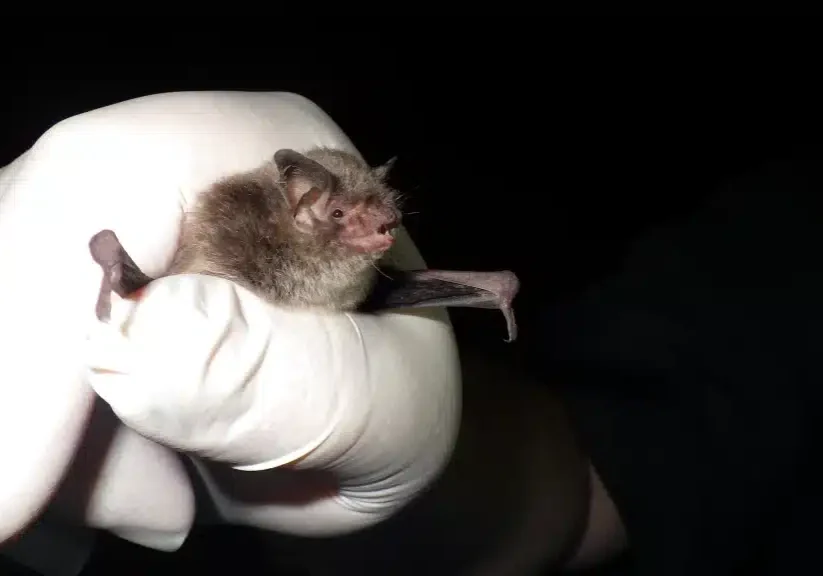
Signs of Life
In the Nantahala National Forest, a team of biologists spotted Indiana bats, an endangered species that hasn’t been seen in North Carolina for the last 11 years.

‘First Line of Defense’
During Hurricane Helene and its aftermath, rural fire departments and other first responder hubs played critical roles in keeping their communities safe, even without power and cut off from outside support for days or weeks after the storm. Two years later, plenty of work remains to ensure these hubs have the resources they need to operate day to day and be ready when emergencies or natural disasters strike.

The Rocky Road — and Bridge — to Recovery
Hurricane Helene is estimated to have damaged nearly 7,000 private roads and bridges in Western North Carolina. Two years later, many restoration projects are complete, but the journey hasn’t been easy — and isn’t over for others.
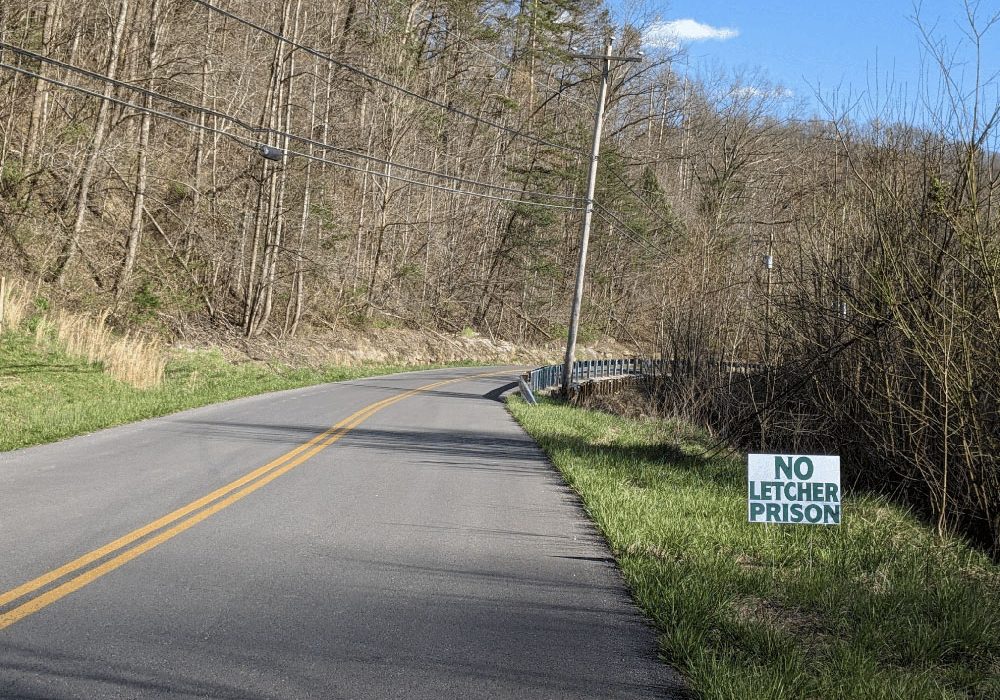
After 20 Years, Letcher County Prison Proposal Is Still Alive, Though Obstacles Remain
A $605 million proposal for a federal prison on a former strip mine site in Letcher County, Kentucky, championed by U.S. Rep. Hal Rogers, refuses to die, despite local opposition, a lack of support from the executive branch and numerous other obstacles.
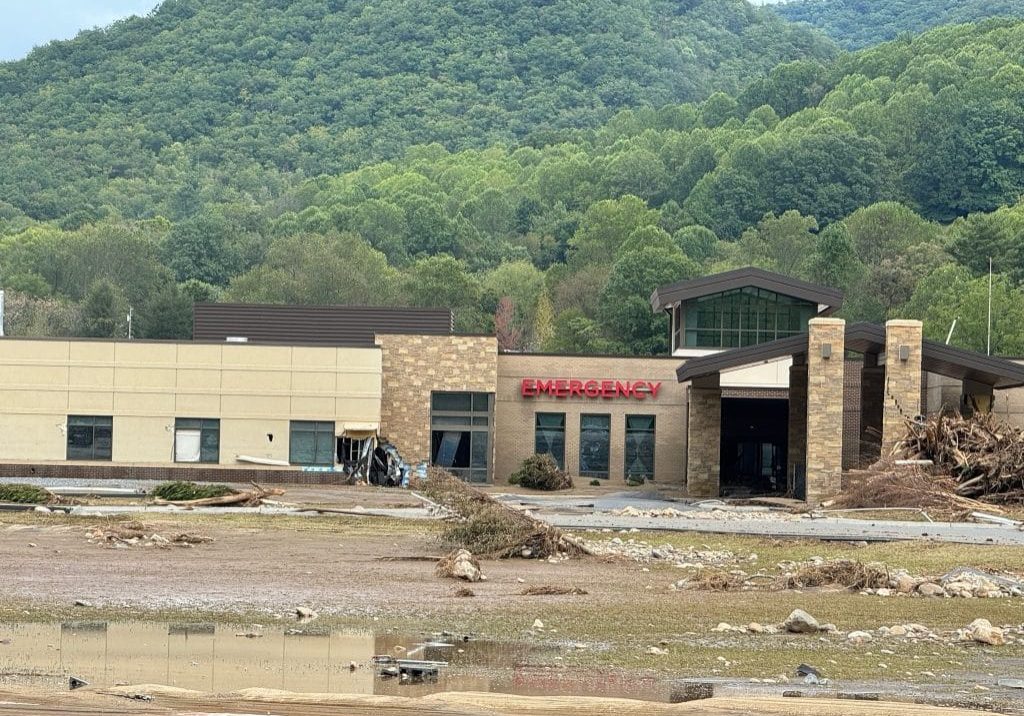
The Washout and Rebuild
For nearly two years, residents of Unicoi County, Tennessee, have had to make do without a hospital after Hurricane Helene destroyed the rural hospital. Ballad Health, which owns the hospital, broke ground on a new location — in another floodplain — in August 2026.

The Shenandoah Salamander
The Shenandoah salamander is a woodland salamander, which has adapted to life at higher elevations away from water. This sparkling rarity lives among the dry leaves, cracked logs, and stony hillocks on the highest peaks of Shenandoah National Park.

Leave a comment
Your email address will not be published. Required fields are marked *
Leave a Comment