

Tennessee Student Environmental Alliance Connects Children with Nature
By Julie Johnson
Students in eight Chattanooga-area schools are helping to clean up the greater Tennessee River watershed. Focusing their efforts on the “Ridge to River” system, the students learn about their water and the effects of pollution on its quality, from the small streams at the tops of mountains to the large rivers in the valley.
Mary Beth Sutton, executive director for the program, started teaching integrated watershed management to students in the Caribbean in 2004. The goal was to empower students to be leaders in the protection and restoration of their local environment.
Caribbean students now manage island programs largely on their own, testing water quality in their bays and inlets, assessing the health of mangrove fields and coral reefs, and starting environmental clubs in their schools and churches. One Dominican student even appeared before her town council, presenting an idea for a village-wide composting program.
“Environmental concern is ingrained in them by the time they are adults,” Yasmin Francis, a Caribbean SEA summer camp leader said. “So that they can actively demonstrate their concern for the environment and also teach others.”
Sutton hopes to continue the success of watershed preservation with the burgeoning projects in the Tennessee Valley. TenneSEA students have conducted quarterly water testing with equipment donated by the Tennessee American Water Company, and are working with established community groups to conduct river clean-up days.
For more information about the water program, visit www.caribbean-sea.org
Related Articles
Latest News
More Stories

Signs of Life
In the Nantahala National Forest, a team of biologists spotted Indiana bats, an endangered species that hasn’t been seen in North Carolina for the last 11 years.

‘First Line of Defense’
During Hurricane Helene and its aftermath, rural fire departments and other first responder hubs played critical roles in keeping their communities safe, even without power and cut off from outside support for days or weeks after the storm. Two years later, plenty of work remains to ensure these hubs have the resources they need to operate day to day and be ready when emergencies or natural disasters strike.

The Rocky Road — and Bridge — to Recovery
Hurricane Helene is estimated to have damaged nearly 7,000 private roads and bridges in Western North Carolina. Two years later, many restoration projects are complete, but the journey hasn’t been easy — and isn’t over for others.
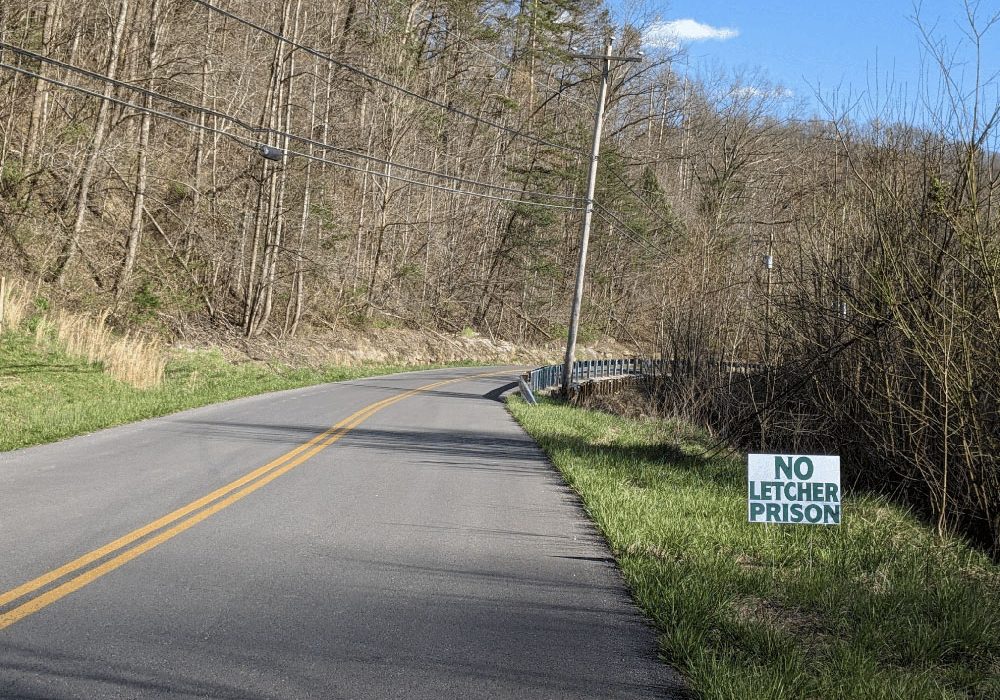
After 20 Years, Letcher County Prison Proposal Is Still Alive, Though Obstacles Remain
A $605 million proposal for a federal prison on a former strip mine site in Letcher County, Kentucky, championed by U.S. Rep. Hal Rogers, refuses to die, despite local opposition, a lack of support from the executive branch and numerous other obstacles.
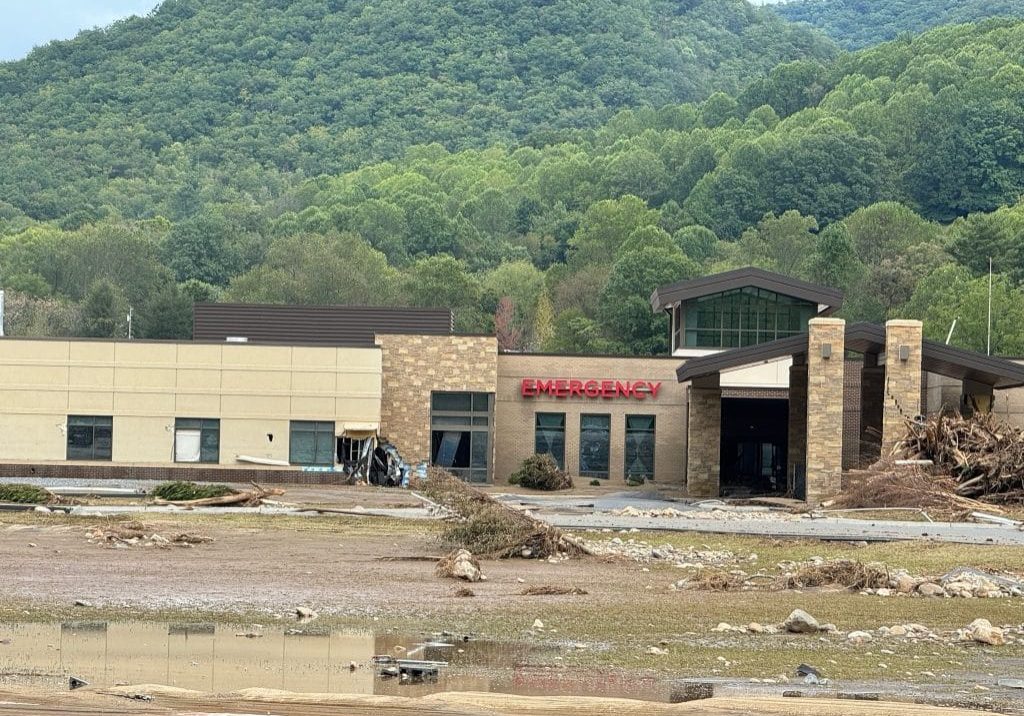
The Washout and Rebuild
For nearly two years, residents of Unicoi County, Tennessee, have had to make do without a hospital after Hurricane Helene destroyed the rural hospital. Ballad Health, which owns the hospital, broke ground on a new location — in another floodplain — in August 2026.
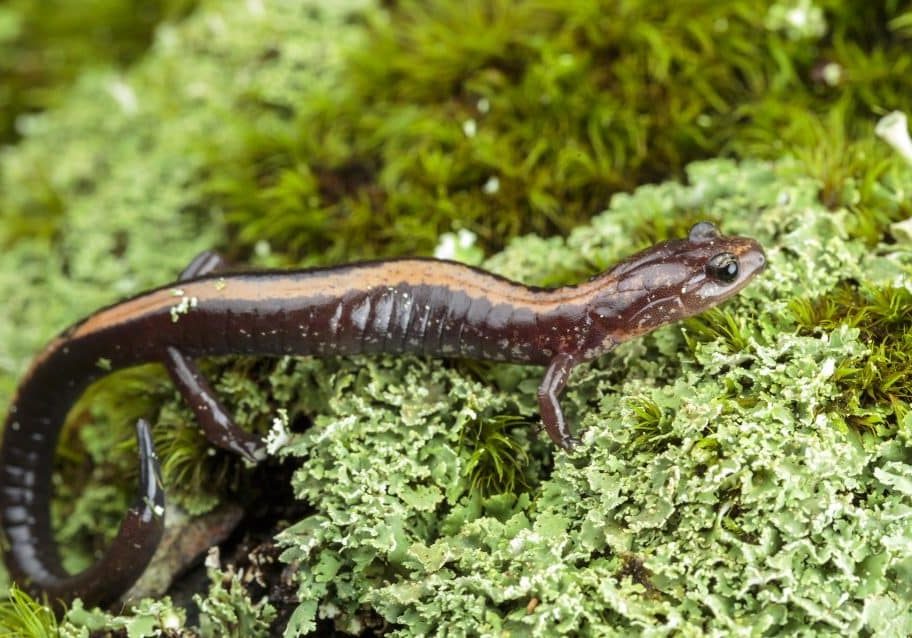
The Shenandoah Salamander
The Shenandoah salamander is a woodland salamander, which has adapted to life at higher elevations away from water. This sparkling rarity lives among the dry leaves, cracked logs, and stony hillocks on the highest peaks of Shenandoah National Park.

Leave a comment
Your email address will not be published. Required fields are marked *
Leave a Comment