

Uneven Ground: Examining Appalachian History Since 1945
By Matt Grimley
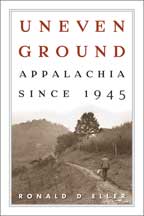
Imagine two Appalachias: one of banjos, moonshine, and dilapidated log cabins; the other of people, their families, their rich history and unfulfilled futures. That dichotomy and how it is exploited is what University of Kentucky professor Ronald D. Eller writes about in “Uneven Ground: Appalachia Since 1945.”
Eller writes with lucidity and directness as he provides a play-by-play of the many politicians, intellectuals and others who try to right Appalachia’s wrongs. The largest of their efforts was the War on Poverty, brought forth by presidents Kennedy and Johnson in the 1960s. It aimed to bring the backward culture of Appalachia, with its lack of material goods and its poverty that was “simply out of step with the rest of America,” into the mainstream.
Despite the government’s best efforts, the uneven ground in the mountains — the unequal access to good jobs, education, and healthcare, among other resources — continued without balance.
It’s true, Eller reports, that the averages of poverty rates and per capita income have improved for Appalachia over the past 40 years. But the numbers fail to tell the whole truth, that the income gap between rural and urban communities has widened significantly, that dependence on outside markets and absentee capital continues to be embraced, and that “progress” and “growth” still benefit local leaders and businessmen rather than improving the lives of the people.
There aren’t many conclusions in the book, and perhaps rightfully so. As Eller said in an interview with UK’s Odyssey publication, the approach to helping this region has always been to “take national assumptions about how we define progress and superimpose those ideas on local communities … a top-down approach that has created inequalities [in Appalachia].” In enumerating the ways in which the “help” for the region has failed, he challenges the reader’s assumptions. And through this challenge, he gives the reader the freedom to be informed about the lives of real people.
Through the mist of many failures, Eller does find the successes. The rediscovery of Appalachian culture locally and abroad continues to give many a sense of pride and place. People like the reform-minded Appalachian Volunteers of the ‘60s and the Larry Gibsons who fight tirelessly against mountaintop removal are endlessly valuable for social justice. And the emergence of ecotourism and the possibilities of alternative, localized economies seem promising for a region seeking to secure its future.
For anyone looking to read a people’s history of Appalachia, “Uneven Ground” was a joy to read and is highly recommended.
Related Articles
Latest News
More Stories

‘First Line of Defense’
During Hurricane Helene and its aftermath, rural fire departments and other first responder hubs played critical roles in keeping their communities safe, even without power and cut off from outside support for days or weeks after the storm. Two years later, plenty of work remains to ensure these hubs have the resources they need to operate day to day and be ready when emergencies or natural disasters strike.

The Rocky Road — and Bridge — to Recovery
Hurricane Helene is estimated to have damaged nearly 7,000 private roads and bridges in Western North Carolina. Two years later, many restoration projects are complete, but the journey hasn’t been easy — and isn’t over for others.
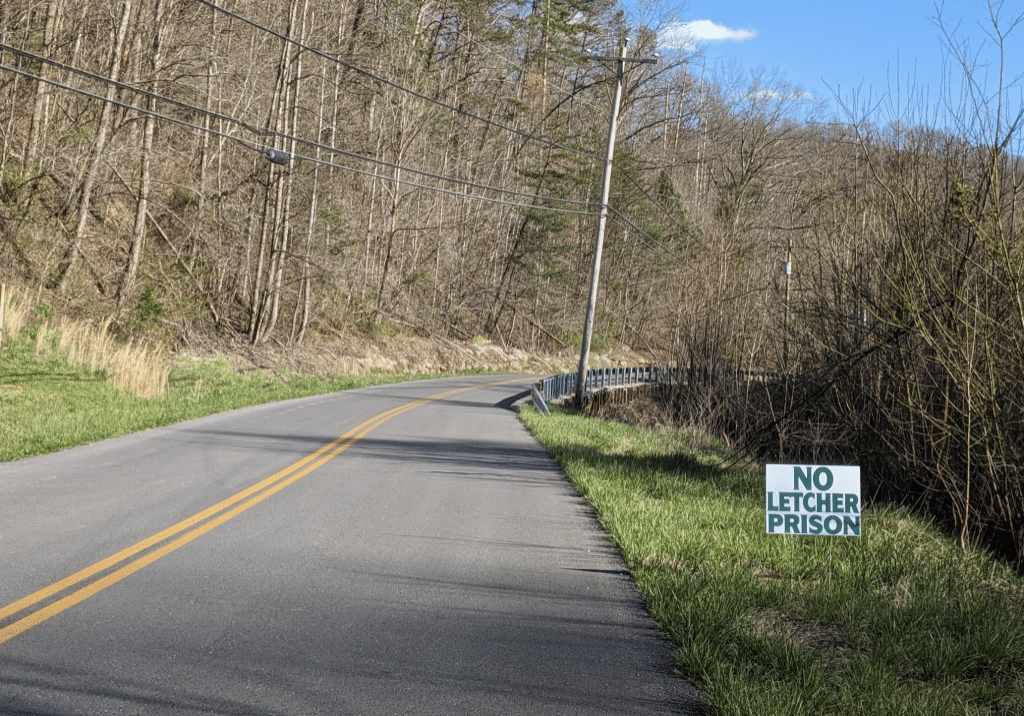
After 20 Years, Letcher County Prison Proposal Is Still Alive, Though Obstacles Remain
A $605 million proposal for a federal prison on a former strip mine site in Letcher County, Kentucky, championed by U.S. Rep. Hal Rogers, refuses to die, despite local opposition, a lack of support from the executive branch and numerous other obstacles.
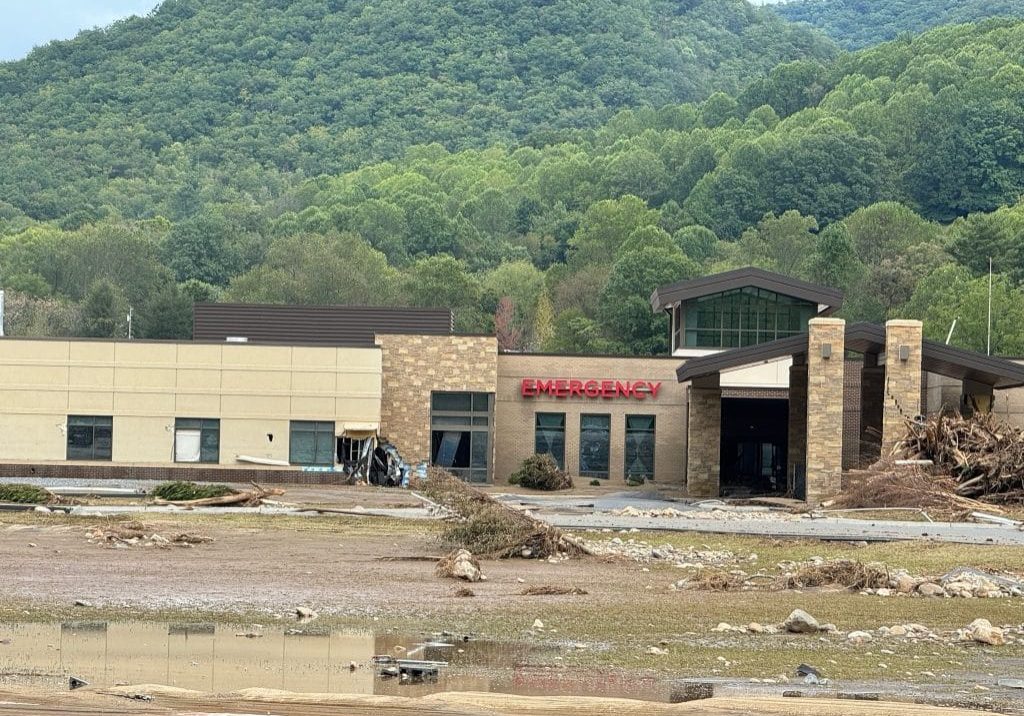
The Washout and Rebuild
For nearly two years, residents of Unicoi County, Tennessee, have had to make do without a hospital after Hurricane Helene destroyed the rural hospital. Ballad Health, which owns the hospital, broke ground on a new location — in another floodplain — in August 2026.

The Shenandoah Salamander
The Shenandoah salamander is a woodland salamander, which has adapted to life at higher elevations away from water. This sparkling rarity lives among the dry leaves, cracked logs, and stony hillocks on the highest peaks of Shenandoah National Park.
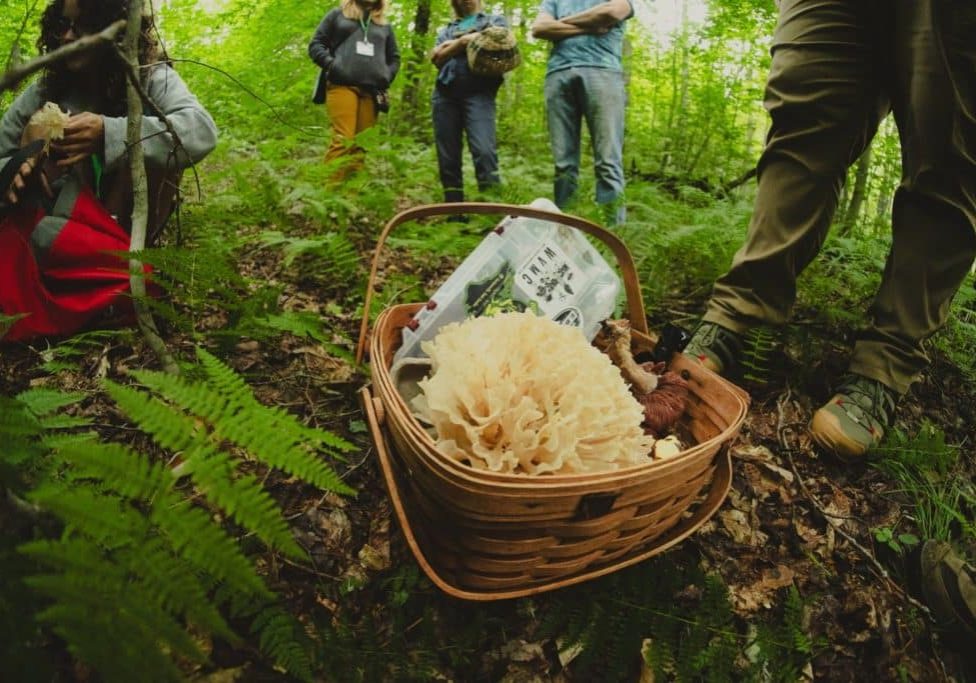
‘Foraging Is a Way of Connecting’
Foraging has experienced a modern resurgence, partly because of social media, online groups, the pandemic and people wanting to connect with nature. It also builds community, whether in person or online.

Leave a comment
Your email address will not be published. Required fields are marked *
Leave a Comment