

Federal Grants for Troubled Appalachian Species | W.Va. Superfund Cleanup
Federal Grants To Assist Troubled Appalachian Species
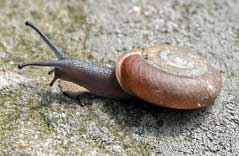
PHOTO CREDIT Photo by Craig Stihler/WVDNR
A round of special funding by the U.S. Fish and Wildlife Service awarded $33 million toward helping threatened and endangered species in 21 states, including several projects in the Central and Southern Appalachian region.
In Cumberland County, Tenn., more than $700,000 will protect aquatic resources and improve habitat for species such as the Indiana bat, gray bat, spotfin chub, and Cumberland rosemary. The service describes this grant as a proactive attempt to guard sensitive areas “experiencing increased development pressures and resource extraction issues.”
Federally-listed mussels are poised to benefit from nearly $200,000 in conservation funds in Georgia’s Lower Flint River Basin, an area impacted by drought and agricultural water demand. In Pennsylvania, $600,000 will support Indiana bat habitat on 3.8 million mostly-forested acres throughout the state.
In a joint project between the West Virginia Division of Natural Resources and nonprofit conservation groups, $700,000 in Fish and Wildlife Service funds will go toward land acquisition in the Cheat River Gorge. The state agency is seeking matching funds to help protect the Indiana bat and a lesser-known creature, the flat-spired three-toothed land snail. Approximately 10,300 acres of the Cheat River Gorge encompass the rare snail’s entire range, where it gravitates toward sandstone outcroppings.
The Fish and Wildlife Service is not the only agency assisting portions of Appalachia. Also in August, the U.S. Forest Service announced $3.5 million in matching grants awarded to groups working on community forests.
The Eastern Band of the Cherokee Indians will conserve 108 acres on Hall Mountain near Franklin, N.C., and build a trail system that exhibits uses of natural resources traditionally employed by the Cherokee. And in Pickens County, S.C., the Naturaland Trust will use Forest Service funds to secure 1,648 acres of the state’s Nine Times Community Forest to support habitats for black bear, ruffed grouse and peregrine falcons.
Companies to Cough Up Millions for W.Va. Superfund Cleanup
Exxon Mobil Corp., Vertellus Specialties Inc., and CBS Corps have agreed to pay $29.8 million for current and retroactive cleanup costs for the Big John’s Salvage-Hould Road Superfund Site in Marion County, W.Va.
The 38-acre site, located near the east bank of the Monongahela River in the town of Fairmont, became contaminated with hazardous wastes from decades of industrial activity. The cleanup, which has been ongoing since 2001, includes containing contaminated soil and removing 5,500 cubic yards of tar wastes from the bottom of the river.
Between 1932 and 1984, four separate heavy industry operations deposited waste products including lead dust, mercury-tainted waste oil and crude tar on the site. More than $11 million of the funds will reimburse the U.S. Environmental Protection Agency and the state of West Virginia for previous cleanup efforts. Additional information on this and other superfund sites is available at:
cumulis.epa.gov/supercpad/cursites.
Related Articles
Latest News
More Stories

‘First Line of Defense’
During Hurricane Helene and its aftermath, rural fire departments and other first responder hubs played critical roles in keeping their communities safe, even without power and cut off from outside support for days or weeks after the storm. Two years later, plenty of work remains to ensure these hubs have the resources they need to operate day to day and be ready when emergencies or natural disasters strike.

The Rocky Road — and Bridge — to Recovery
Hurricane Helene is estimated to have damaged nearly 7,000 private roads and bridges in Western North Carolina. Two years later, many restoration projects are complete, but the journey hasn’t been easy — and isn’t over for others.
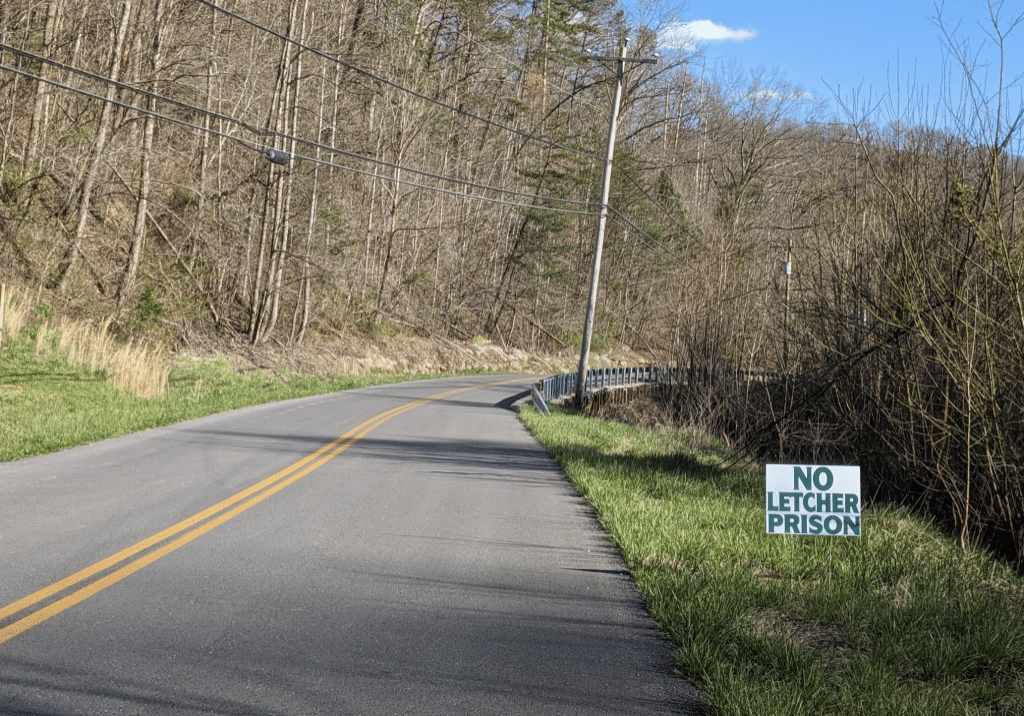
After 20 Years, Letcher County Prison Proposal Is Still Alive, Though Obstacles Remain
A $605 million proposal for a federal prison on a former strip mine site in Letcher County, Kentucky, championed by U.S. Rep. Hal Rogers, refuses to die, despite local opposition, a lack of support from the executive branch and numerous other obstacles.
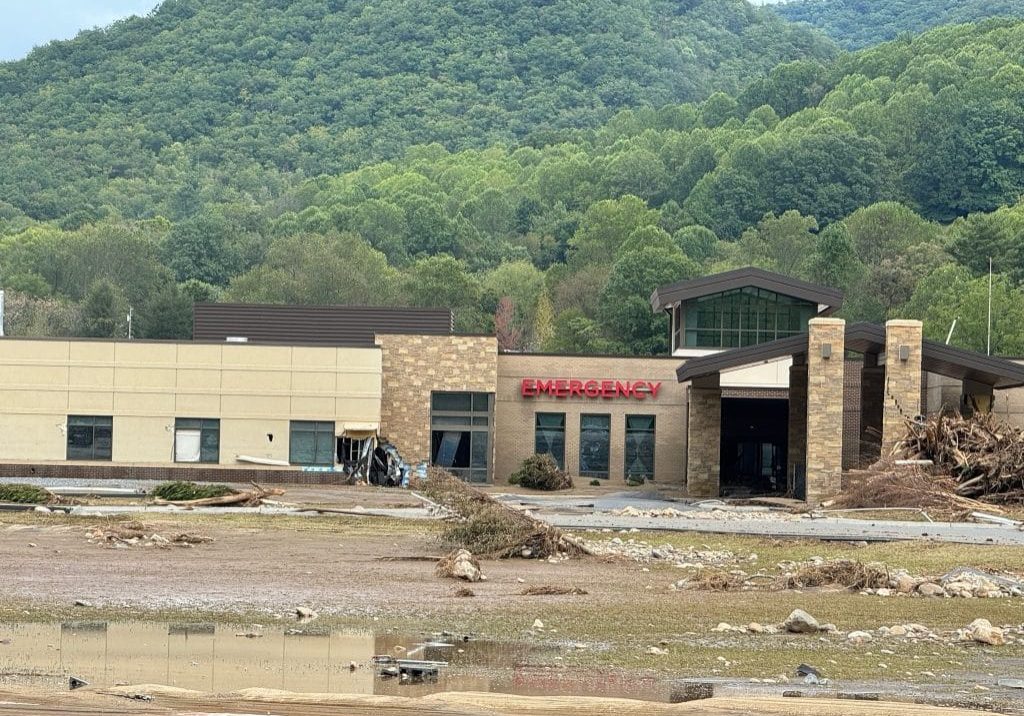
The Washout and Rebuild
For nearly two years, residents of Unicoi County, Tennessee, have had to make do without a hospital after Hurricane Helene destroyed the rural hospital. Ballad Health, which owns the hospital, broke ground on a new location — in another floodplain — in August 2026.
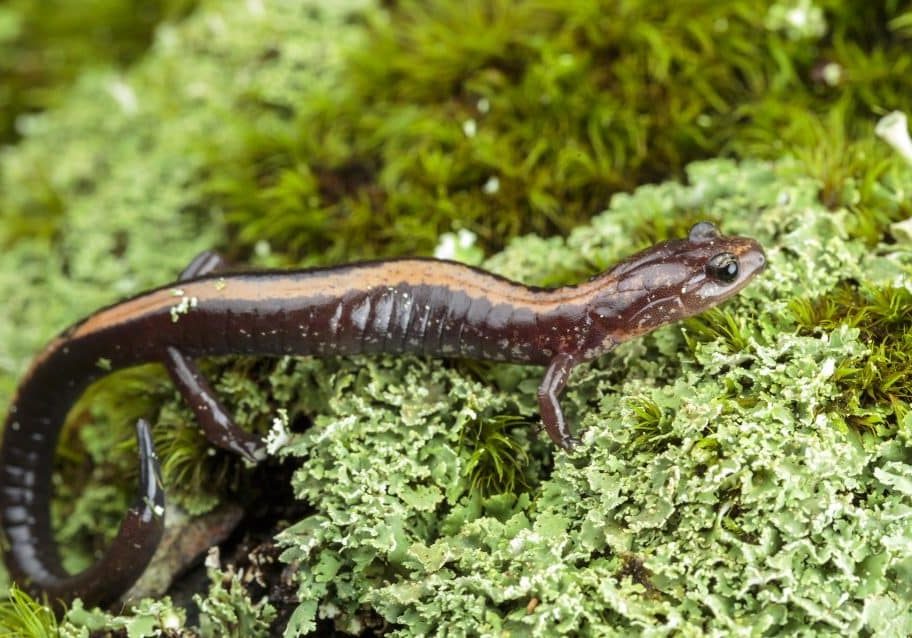
The Shenandoah Salamander
The Shenandoah salamander is a woodland salamander, which has adapted to life at higher elevations away from water. This sparkling rarity lives among the dry leaves, cracked logs, and stony hillocks on the highest peaks of Shenandoah National Park.
‘Foraging Is a Way of Connecting’
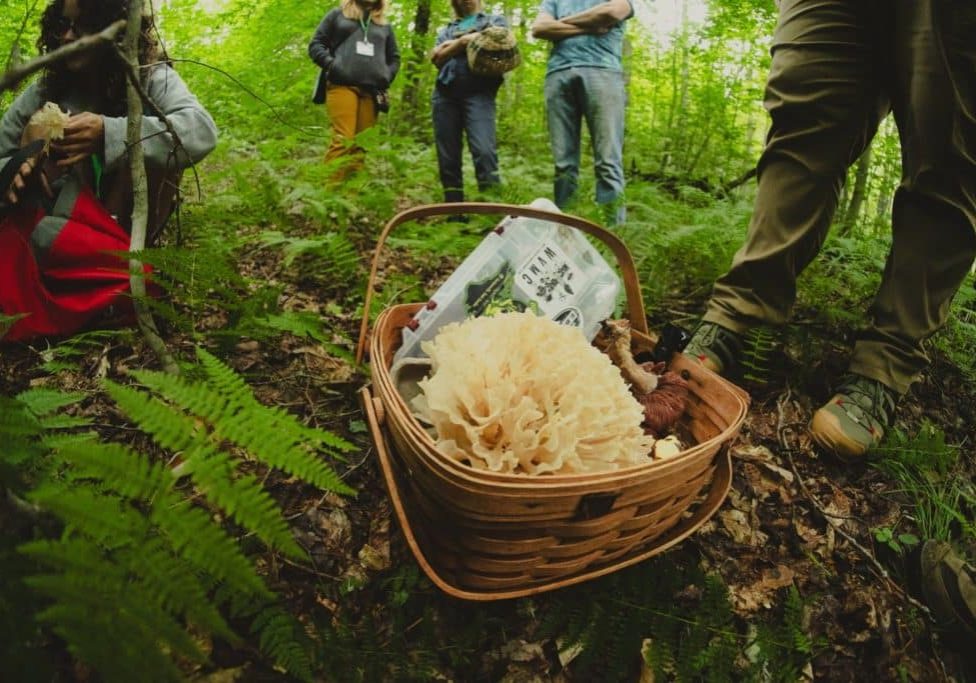
Foraging has experienced a modern resurgence, partly because of social media, online groups, the pandemic and people wanting to connect with nature. It also builds community, whether in person or online.

Leave a comment
Your email address will not be published. Required fields are marked *
Leave a Comment