

Dateline Appalachia
DatelineAppalachia
New Documentary
Showcases Region
Over one trillion dollars; 1,000,000,000,000,000.
That would represent one estimate totalling the value of the natural resources extracted out of Appalachia since the industrial age chugged up the mountains.
This funnelling of the area’s riches all too often left many Appalachian communities at the bottom of the spout, mired in pollution as well as poverty. This quandary runs like the tracks through the history of the region, and has captured the attention of filmmakers Ross Spears and Jamie Ross, the producers of Appalachia; A History of Mountains and People. Five years in the making, Appalachia is is a four-part documentary television series currently being filmed in the southern and central mountains.
Appalachia relays the human and environmental history of a rugged but accessible region now surrounded by half the population and two-thirds of the industry in the United States. Slated to air on PBS stations in 2005, the first part of the series will focus on the early geological, natural and Native Ameridcan beginnings, with emphasis on the diversity of the landscape. Part Two will chronicle the influence of the first European visitors and settlers followed by Part Three’s look at the impacts of the Industrial Revolution.
The final installment will explore contemporary Appalachian culture, society and their struggles to survive. The filmmakers sum up at the conclusion of the work the negative stereotypes that continue to dog it in the mainstream’s eye; a mixture of ridicule, suspicion and neglect that inevitably has led to gross abuses.
Here they stand on familiar ground. Their Asheville, North Carolina-based non-profit media company, the James Agee Film Project, has produced over a dozen award-winning films since it was founded in 1974, many focused on Southern history and culture.
Spears was born, raised and continues to live in the region.
Contributing to the extensive experience of the producers, the film also showcases many of Appalachia’s most prominent scientists, historians, cultural and community leaders.
Six Public Broadcasting stations have partnered with the project, as well as West Virginia’s Canaan Valley Institute and the Appalachian Studies Program at East Tennessee State University.
The release of the film will coincide with the 2005 publication of The Encyclopedia of Appalachia.
By capturing the beauty of the landscape and culture, Appalachia will help reverse entrenched attitudes and provide a new look at one of the country’s national treasures sitting, forever it seems, at the crossroads.
This funneling of the area’s riches all too often left many Appalachian communities at the bottom of the spout, mired in pollution as well as poverty. This quandary runs like the tracks through the history of the region, and has captured the attention of the producers of Appalachia; A History of Mountains and People. Five years in the making, Appalachia is is a four-part documentary television series currently being filmed in the southern and central mountains.
Related Articles
Latest News
More Stories
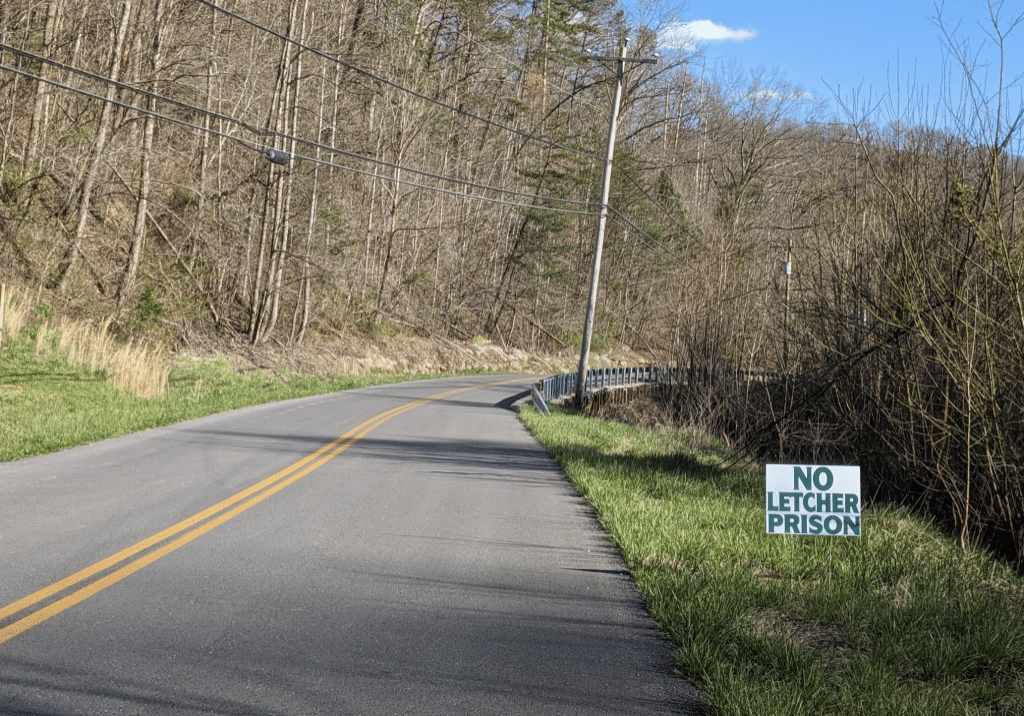
After 20 years, Letcher County prison proposal is still alive, though obstacles remain
A $605 million proposal for a federal prison on a former strip mine site in Letcher County, Kentucky, championed by U.S. Rep. Hal Rogers, refuses to die, despite local opposition, a lack of support from the executive branch and numerous other obstacles.
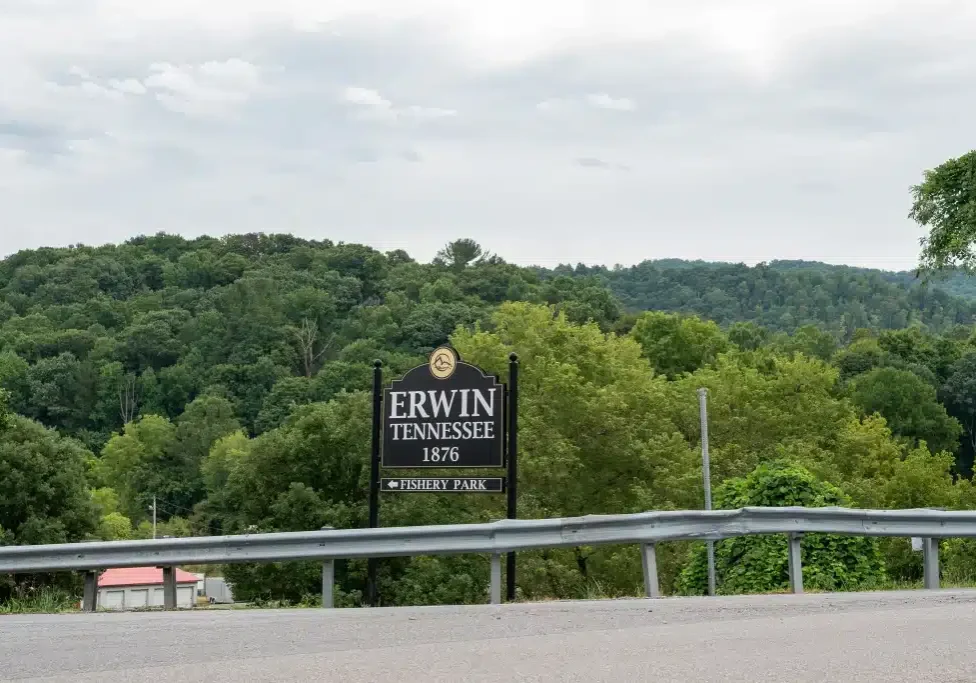
The Washout and Rebuild
For nearly two years, residents of Unicoi County, Tennessee, have had to make do without a hospital after Hurricane Helene destroyed the rural hospital. Ballad Health, which owns the hospital, broke ground on a new location — in another floodplain — in August 2026.

The Shenandoah Salamander
The Shenandoah salamander is a woodland salamander, which has adapted to life at higher elevations away from water. This sparkling rarity lives among the dry leaves, cracked logs, and stony hillocks on the highest peaks of Shenandoah National Park.
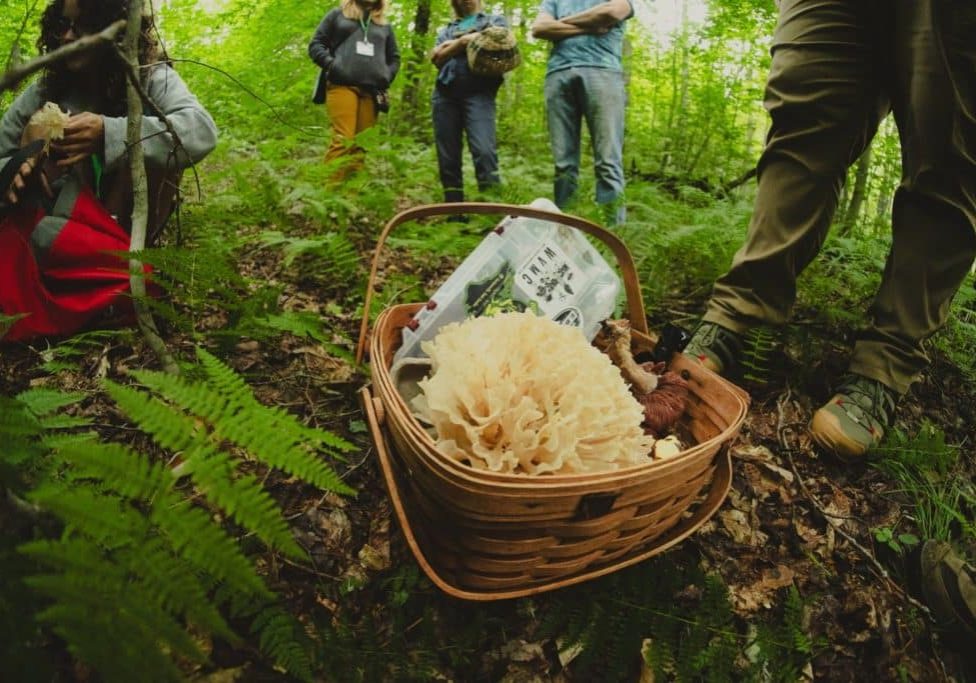
‘Foraging Is a Way of Connecting’
Foraging has experienced a modern resurgence, partly because of social media, online groups, the pandemic and people wanting to connect with nature. It also builds community, whether in person or online.

Colorblind Viewfinders Make Appalachian State Parks More Accessible
Virginia State Parks is the first park system in the nation to have a colorblind viewfinder at each one of its 43 locations — thanks to the dedication of one park ranger. Other states are following suit.

The Future of Film is in West Virginia
Many well-known TV and film productions have developed out of the Mountain State in years past, but the West Virginia Film Office is looking to the future to continue to grow the film industry.

Leave a comment
Your email address will not be published. Required fields are marked *
Leave a Comment