

The Last Leaf
I had risen, as was my custom, around 7:00 am, turned on the coffee pot, and looked across the tree tops to the bare mountain opposite my cabin on Blackrock Mountain. Pastel streaks of dawn lifted away the last vestiges of night. It was the first official day of winter, though the preceding weeks had been much colder than average.
A breeze was blowing softly through the denuded trees. But wait! One solitary brown leaf clung tenaciously to its home on the branch of the white oak in front of me. It was quivering, convulsing, almost. It captured my attention. It wasn’t windy enough to make the leaf shake like that. It was all alone. I thought to myself, “That poor leaf is the last one standing. What’s it doing? Is it trying to release itself and join its family on the ground below?” Finally it stopped shivering.
I poured myself a cup of coffee and sat down at the farm house table to put the day in order. Farmers in the village of Nellysford had said that southwest winds would collide with an approaching cold front and bring heavy rains to the Blue Ridge for the next two days. “I had hoped it would snow,” I told them. The rest of the day panned out as planned. After a satisfying dinner of chili and corn bread, I succumbed to sleep. I had long ago forgotten about the leaf.
The next morning, as I turned on the coffee pot, I remembered the drama of the leaf and rushed to the window. It was foggy and damp; a heavy rain pounded the deck outside. Gone. Gone. I was inexplicably panic-stricken as I searched for the leaf. Did it give up and let go? Or did Old Man Winter finally claim it?
And the leaf, now on the ground with others of its kind, did it celebrate the reunion or lament losing the fight? Winter had truly arrived; I was profoundly saddened by the departure of the last leaf.
Related Articles
Latest News
More Stories

Signs of Life
In the Nantahala National Forest, a team of biologists spotted Indiana bats, an endangered species that hasn’t been seen in North Carolina for the last 11 years.

‘First Line of Defense’
During Hurricane Helene and its aftermath, rural fire departments and other first responder hubs played critical roles in keeping their communities safe, even without power and cut off from outside support for days or weeks after the storm. Two years later, plenty of work remains to ensure these hubs have the resources they need to operate day to day and be ready when emergencies or natural disasters strike.

The Rocky Road — and Bridge — to Recovery
Hurricane Helene is estimated to have damaged nearly 7,000 private roads and bridges in Western North Carolina. Two years later, many restoration projects are complete, but the journey hasn’t been easy — and isn’t over for others.
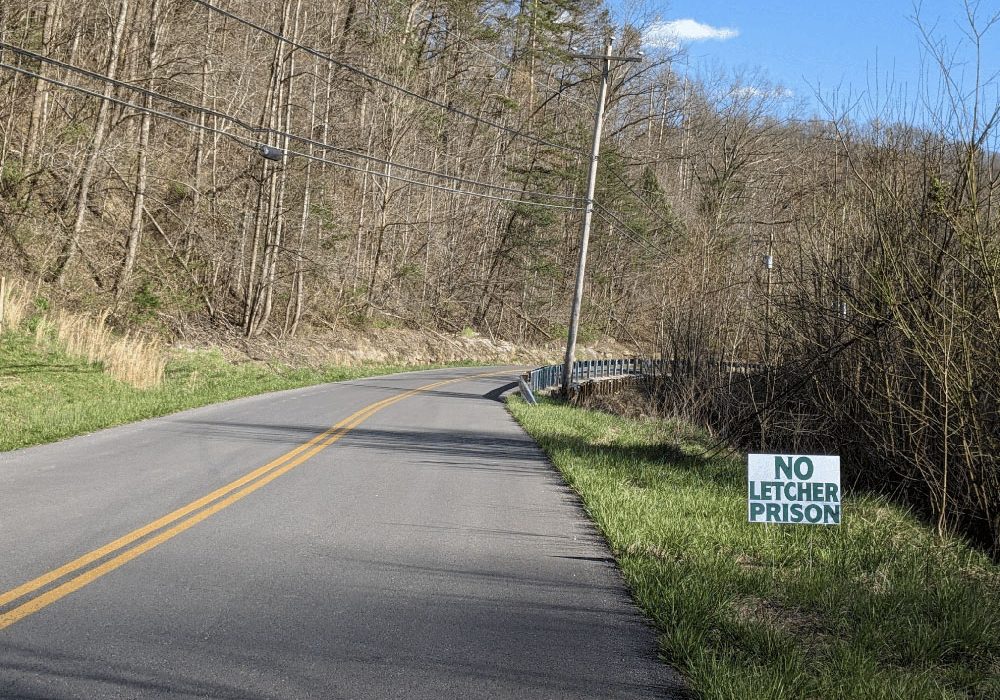
After 20 Years, Letcher County Prison Proposal Is Still Alive, Though Obstacles Remain
A $605 million proposal for a federal prison on a former strip mine site in Letcher County, Kentucky, championed by U.S. Rep. Hal Rogers, refuses to die, despite local opposition, a lack of support from the executive branch and numerous other obstacles.
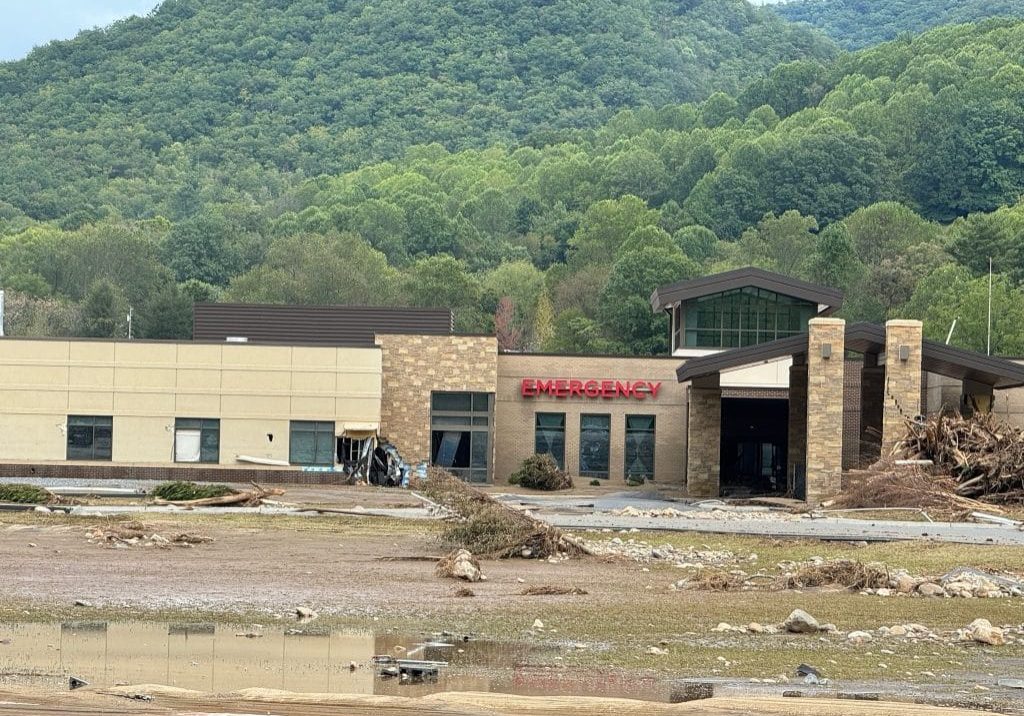
The Washout and Rebuild
For nearly two years, residents of Unicoi County, Tennessee, have had to make do without a hospital after Hurricane Helene destroyed the rural hospital. Ballad Health, which owns the hospital, broke ground on a new location — in another floodplain — in August 2026.
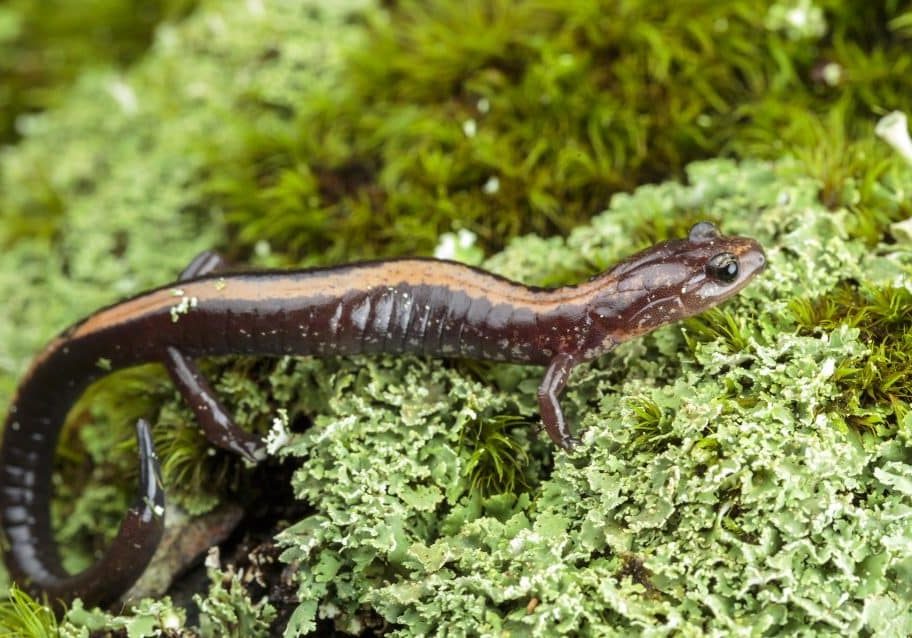
The Shenandoah Salamander
The Shenandoah salamander is a woodland salamander, which has adapted to life at higher elevations away from water. This sparkling rarity lives among the dry leaves, cracked logs, and stony hillocks on the highest peaks of Shenandoah National Park.

Leave a comment
Your email address will not be published. Required fields are marked *
Leave a Comment