

Remembering Carl Rutherford
Ain’t no grave holding Carl Rutherford down.
In death as in life he’s still making people laugh out loud, and his music continues to carry on like a contagious smile.
Which is mostly all he wanted. “I’d like to leave an afterglow of smiles when life is done,” he told his cousin, Hershel Muncy, before passing from emphysema on January 28 in a Bristol, Calif. Hospital. Carl was 76.
Born with spina bifida on April 25, 1929 in War, W.Va., Carl’s parents did not enter a name on his birth certificate because his survival was so doubtful. But, “my mom just plain loved me to life,” he said. “The reason I enjoy life so much is because every bit of it is borrowed time.”
Just the thought of Carl tearing up the road on his motorized scooter gives Kem Short a giggle. A couple of years ago, “I looked out the window and there was Carl just flying up the road. And I was just rolling and laughing and I was going to call the police to give him a ticket,” said Short, director of the Strong Families Program At Big Creek People in Action, of which Carl is a founding member in Caretta, W.Va.
One day about two years ago while listening to the police scanner for entertainment, Short said the whole town learned that Carl got a parking ticket. Here’s the story: Carl needed to get his medicine from the drug store. There wasn’t a place designated for handicapped parking. Carl didn’t want to park down the street. So he parked his car on the sidewalk perpendicular to the drug store, between two cars, because that was the only way he could get his car in the space. “It made perfect sense to Carl. He didn’t understand why anyone would question that,” Short said, popping with laughter.
Short told her stories for the same reason Carl told his. “Because the story has to be told,” Carl told Sam Linkous of the American Heritage Center in Elkins, W.Va.
“He said he had no choice. I think that nobody would’ve heard of a lot of people killed in the mines or sitting around with black lung if it hadn’t have been for Carl. They weren’t famous. They weren’t stars. But they deserve to have their stories told and people made aware of them,” said Linkous, the son of a coal miner.
It is said that character is what one does when no one is looking. And it is said that courage gets us going, but it takes character to succeed. And, it is said, there is no progress in life without courage. Carl’s life proves that.
Illness due to one thing or another shadowed all of Carl’s life, but he learned to play slide guitar from his Uncle Will Muncy anyway. And he also learned to play rhythm guitar, and lead guitar, and bass, dobro and banjo – instruments he played on all of his recordings.
At age 18, holding the rattling chains of a mine cage and wearing a helmet with a light, Carl went down into the darkness of the Earth to mine coal for the first time.
“You’ve got to turn off the fear when you come down into here,” he sings in one song about the mines. In 1950, illness shifted him to logging camps around Redding, Calif. Carl returned to southern West Virginia in the mid-70s a well-seasoned musician.
It turns out he and Judy Garland had something in common: They both had the same creed. She said, “Always be a first-rate version of yourself, instead of a second-rate version of somebody else.” Carl didn’t have to hear that from her.
Carl is survived by his wife, Franki Patton Rutherford, stepdaughter Jessica Turner, daughter Debbie Rutherford Jansen, son Robert Rutherford, and several grandchildren. To honor Carl’s memory, Franki requests donations to Big Creek People in Action, HC 32, Box 541, Caretta, W.Va. 24821
http://shop.store.yahoo.com/musicmakerstore/carrutturoff1.html
Related Articles
Latest News
More Stories
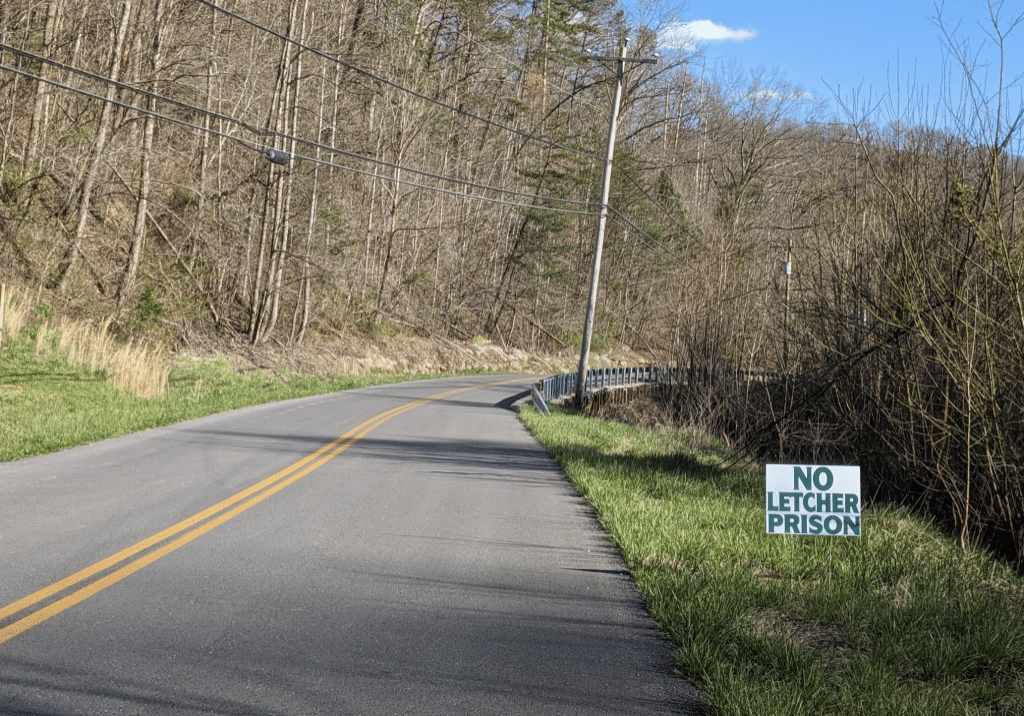
After 20 years, Letcher County prison proposal is still alive, though obstacles remain
A $605 million proposal for a federal prison on a former strip mine site in Letcher County, Kentucky, championed by U.S. Rep. Hal Rogers, refuses to die, despite local opposition, a lack of support from the executive branch and numerous other obstacles.
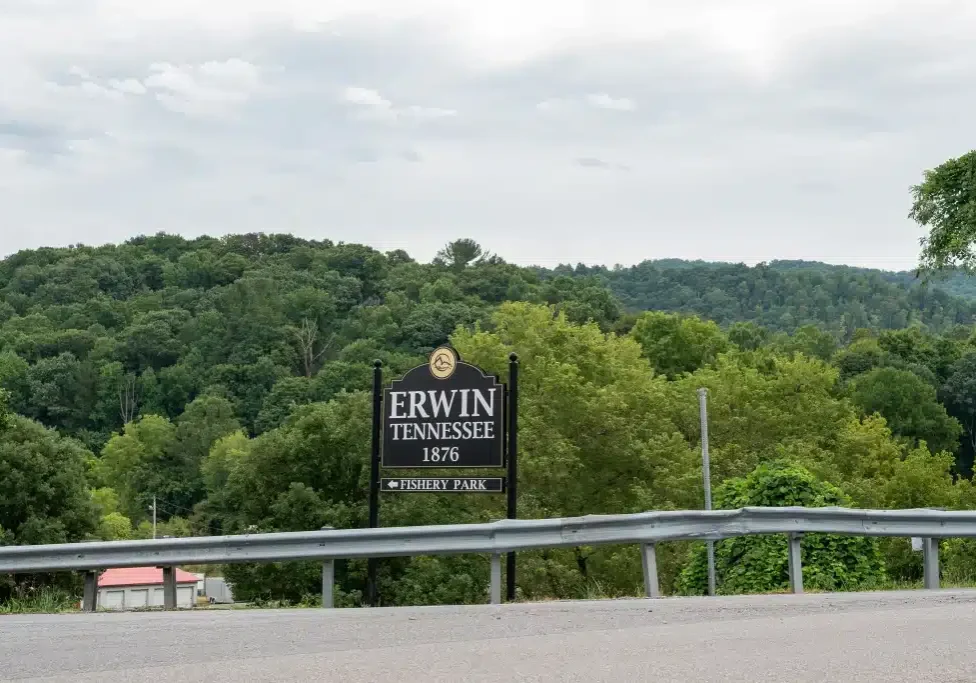
The Washout and Rebuild
For nearly two years, residents of Unicoi County, Tennessee, have had to make do without a hospital after Hurricane Helene destroyed the rural hospital. Ballad Health, which owns the hospital, broke ground on a new location — in another floodplain — in August 2026.

The Shenandoah Salamander
The Shenandoah salamander is a woodland salamander, which has adapted to life at higher elevations away from water. This sparkling rarity lives among the dry leaves, cracked logs, and stony hillocks on the highest peaks of Shenandoah National Park.
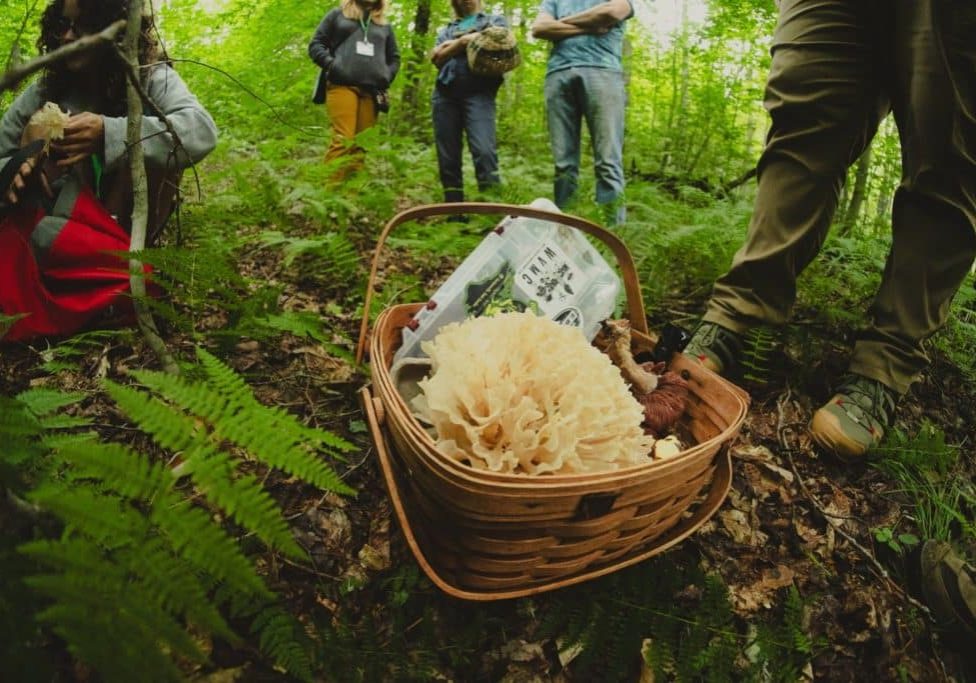
‘Foraging Is a Way of Connecting’
Foraging has experienced a modern resurgence, partly because of social media, online groups, the pandemic and people wanting to connect with nature. It also builds community, whether in person or online.

Colorblind Viewfinders Make Appalachian State Parks More Accessible
Virginia State Parks is the first park system in the nation to have a colorblind viewfinder at each one of its 43 locations — thanks to the dedication of one park ranger. Other states are following suit.
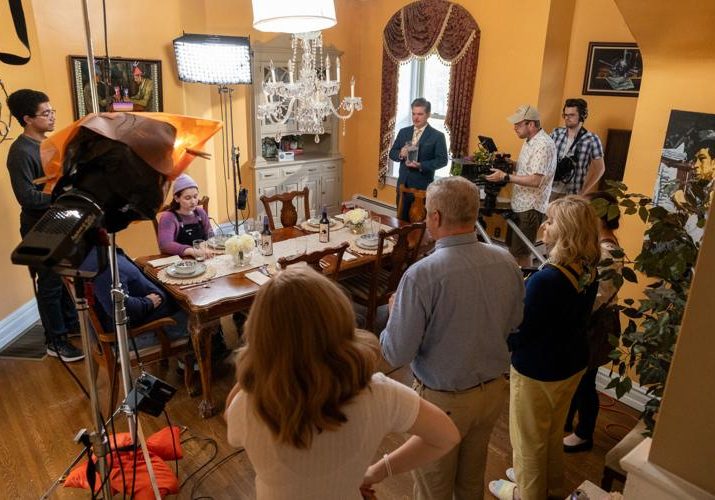
The Future of Film is in West Virginia
Many well-known TV and film productions have developed out of the Mountain State in years past, but the West Virginia Film Office is looking to the future to continue to grow the film industry.

Leave a comment
Your email address will not be published. Required fields are marked *
Leave a Comment