

Earth Day 2009

This billboard was spotted on the highway heading in to Nashville, Tennessee in March, 2009. The sign was erected by the Tennessee-based Lindquist-Environmental Appalachian Fellowship (LEAF) with help from the Natural Resources Defense Council (NRDC).
Americans celebrated the first nationwide Earth Day 39 years ago, in 1970.
Usually we remember such events when they fall on a decade or a century mark, and of course, next year’s 40th anniversary will be on everyone’s calendar.
It’s important to remember, however, that by this time 40 years ago, a nationwide Earth Day movement was already in the works. Then-Senator Gaylord Nelson had been planning the event since 1963, when he talked President John F. Kennedy into a five-day, 11-state conservation tour. There were offices being staffed and meetings being planned. Things were happening.
They say every overnight success is years, or even decades, in the making. This year, as we celebrate the environmental victories at Blair Mountain, W. Va. or in the EPA permitting process, let’s remember that this has been a painstaking, step-by-step process of researching injustice, arousing public opinion, building coalitions, and trying to compel reform.
Next year, on Earth Day, we hope to be celebrating a major victory with the Clean Water Protection Act, which would ban all mountaintop removal coal mining. There has never been a better time to go forward, but we need to remember what is at stake: Appalachia is rapidly losing its wealth of biodiversity and clean water.
So, yes, it’s a very happy 39th Earth Day. But let’s not recline on a few temporary laurels.
Herculean efforts are needed; every voice is necessary, now more than ever. Saving Appalachia is not going to be easy.
But if we pull together, by next year’s 40th anniversary, we might have a worthy story to tell our grandchildren.
Related Articles
Latest News
More Stories

‘First Line of Defense’
During Hurricane Helene and its aftermath, rural fire departments and other first responder hubs played critical roles in keeping their communities safe, even without power and cut off from outside support for days or weeks after the storm. Two years later, plenty of work remains to ensure these hubs have the resources they need to operate day to day and be ready when emergencies or natural disasters strike.

The Rocky Road — and Bridge — to Recovery
Hurricane Helene is estimated to have damaged nearly 7,000 private roads and bridges in Western North Carolina. Two years later, many restoration projects are complete, but the journey hasn’t been easy — and isn’t over for others.
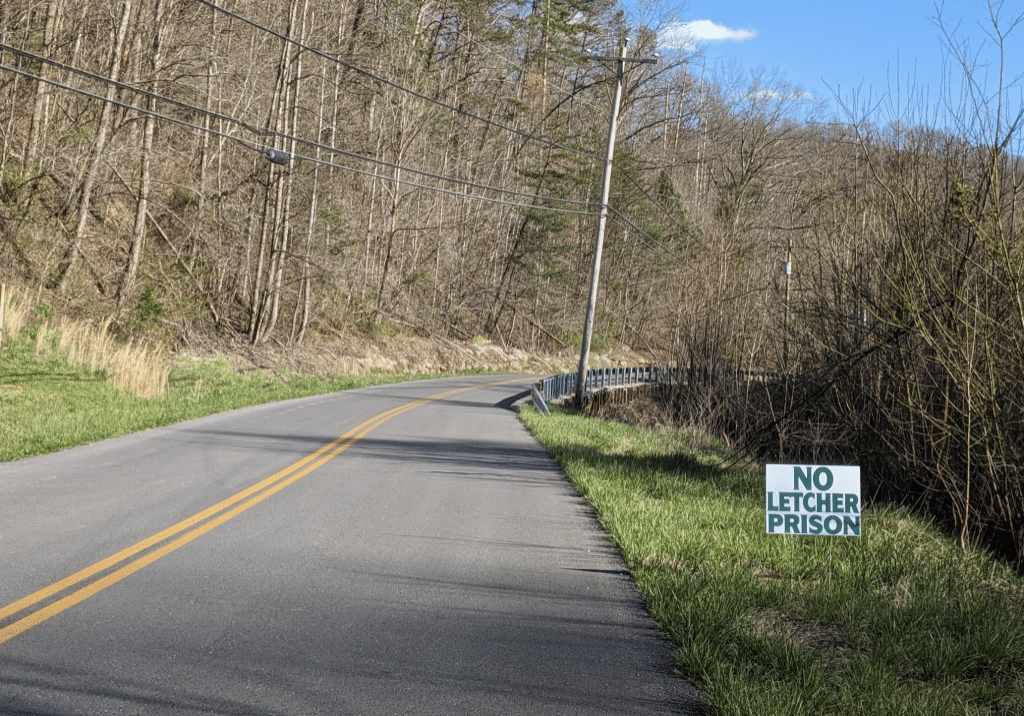
After 20 Years, Letcher County Prison Proposal Is Still Alive, Though Obstacles Remain
A $605 million proposal for a federal prison on a former strip mine site in Letcher County, Kentucky, championed by U.S. Rep. Hal Rogers, refuses to die, despite local opposition, a lack of support from the executive branch and numerous other obstacles.
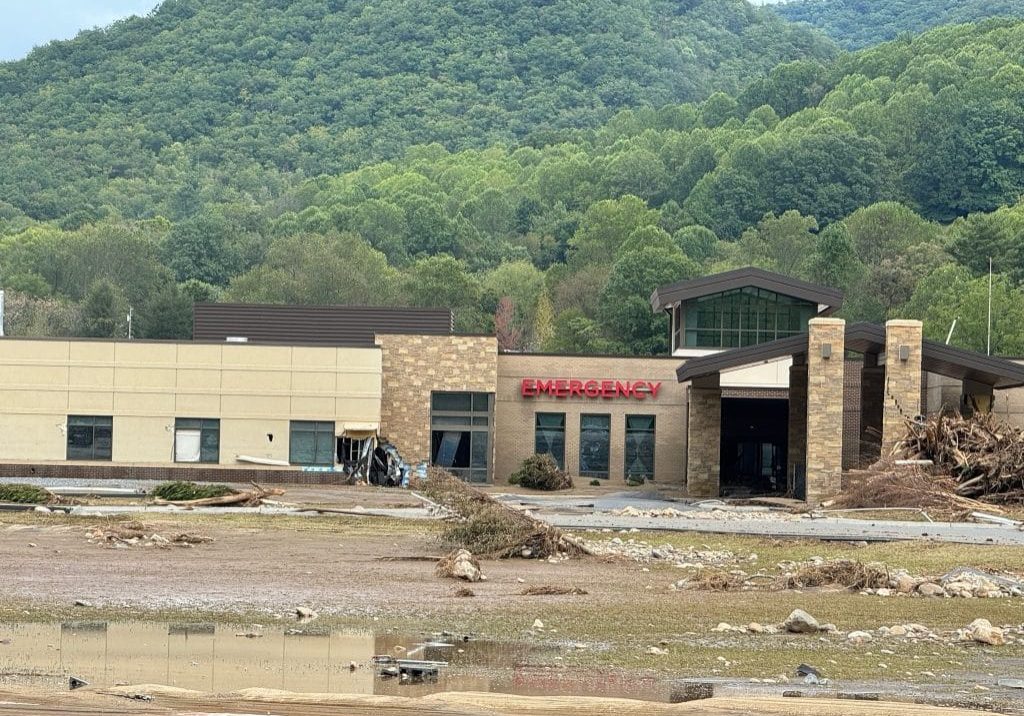
The Washout and Rebuild
For nearly two years, residents of Unicoi County, Tennessee, have had to make do without a hospital after Hurricane Helene destroyed the rural hospital. Ballad Health, which owns the hospital, broke ground on a new location — in another floodplain — in August 2026.
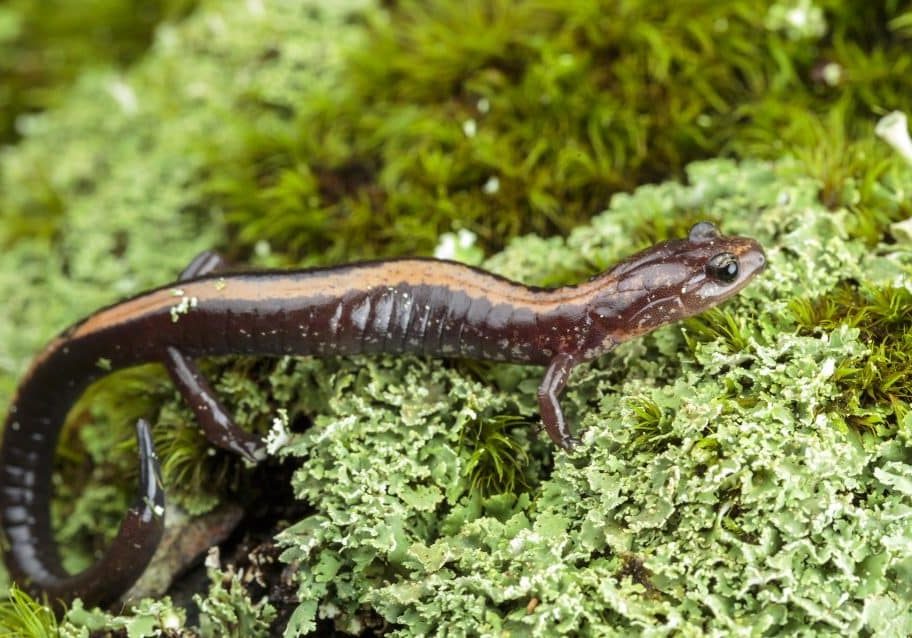
The Shenandoah Salamander
The Shenandoah salamander is a woodland salamander, which has adapted to life at higher elevations away from water. This sparkling rarity lives among the dry leaves, cracked logs, and stony hillocks on the highest peaks of Shenandoah National Park.
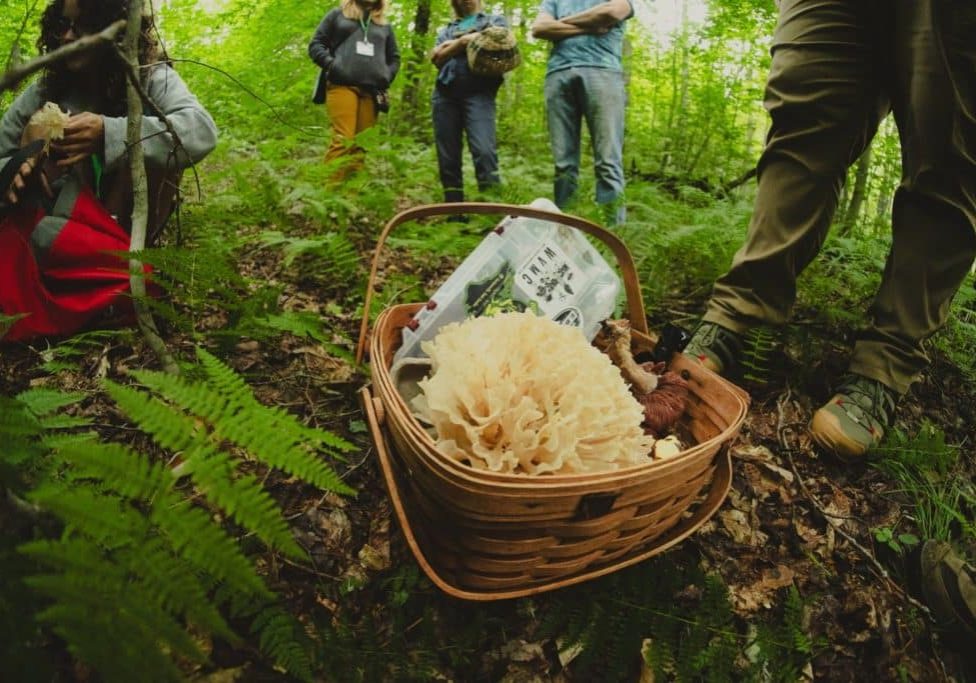
‘Foraging Is a Way of Connecting’
Foraging has experienced a modern resurgence, partly because of social media, online groups, the pandemic and people wanting to connect with nature. It also builds community, whether in person or online.

Leave a comment
Your email address will not be published. Required fields are marked *
Leave a Comment