

Book Reviews – Slow Road Home and Homeplace Geography
Slow Road Home: A Blue Ridge Book of Days. By Fred First. Goose Creek Press. 216 pages. $15.95
Fred First is a biologist, photographer, and writer who did what many simply dream of. Several years ago he quit his “day job,” moved to a small farm nestled in the Blue Ridge, and set out to live as deliberately as he could, fully in the spirit of Thoreau. Living in an old farm house near a creek in Floyd County, Virginia, First is a keen observer and avid chronicler of his self-professed “love for the Blue Ridges of these ancient Appalachians.” He’s been writing about his life in the Appalachians in his blog, Fragments from Floyd (http://www.fragmentsfromfloyd.com/). Using the same general structure he uses in his blog –short, thematic essays, running a few pages each – First brings his Floyd musings to print in this fine volume, Slow Road Home.
First is a naturalist with a photographer’s eye for detail, and he brings these skills to the page. The result is a series of carefully crafted, largely bucolic vignettes that capture the natural beauty of Floyd County. He reports on the angle of the corn stalks in the field, the variety of flowers in the fields, and the way the snow blankets the hills. Days unfold, as the subtitle implies, but the pace is intentionally slow, allowing time for observation, musing, contemplation, and reflection.
There is much self reflection in this memoir, as First reveals how he ended up in Floyd, and expands on what his journey means. There is much that is purely in the moment, as when he runs errands with his beloved Labrador Retriever, or when he gleefully awaits a meteor shower, or when he waxes fondly about the joys of wild berries. On the surface, especially when rendered in the brief sentences of this review, First’s concerns may seem mundane and quotidian. This is not the case, for First offers hints of subtle transcendence while rendering his impressions clearly and beautifully in succinct prose.
This is, above all else, a book about the simple joys of living in Appalachia, of watching the seasons pass, of casting your eye across hills and forests as you go about your daily tasks. Chopping wood, strolling by the creek, taking the dog for a walk – in each of these events, First finds something to savor. He reminds us of the beauty of stopping and looking as we move through our lives, keeping ever mindful that the road itself is, in fact, the destination.
Homeplace Geography: Essays for Appalachia By Donald E. Davis. Mercer University Press. 221 pages. $25.00
Davis is an Appalachian environmental historian, perhaps best known for his 2000 book, Where There Are Mountains: An Environmental History of the Southern Appalachians. Davis has been studying and writing about Appalachian environmental issues in various magazines and journals for years. Homeplace Geography, his latest volume, is a collection of twenty essays written over the course of several decades.
A native of the north Georgia mountains, Davis explores the relationship between the reality of physical place and the concept of home in his opening essay. He asserts that the relationship people form with the natural surroundings of Appalachia, with its omnipresent mountains, streams, valleys, and forests, is intimately tied to their concept of home, and this notion of “homeplace” is what shapes them as individuals.
Davis crafts this vision through personal history, opening the book with an essay about his memories of catching fish on West Chickamauga Creek. Rather than just a pleasant childhood memory, Davis’s essay describes how fishing on the creek was a central activity that bound family and community with the land itself. He also stresses that such places as West Chickamauga Creek are frequently endangered, and run the risk of losing their unique cultural importance in the face of development.
These well-written essays cover a range of Appalachian environmental topics. Davis discusses the varied political aspects of defining a wilderness area, and describes the development of the Green party in east Tennessee. He writes about community organizing in the mountains, mountaintop removal, and logging. He also addresses many cultural issues, such as the use of native plants for medicinal and cultural purposes.
This is a book of compelling, well-written essays that should be of interest to anyone with concerns about the environmental fate of our region.
____________________________
Gene Hyde is Appalachian Collection Librarian at Radford University in Radford, Virginia.
Related Articles
Latest News
More Stories
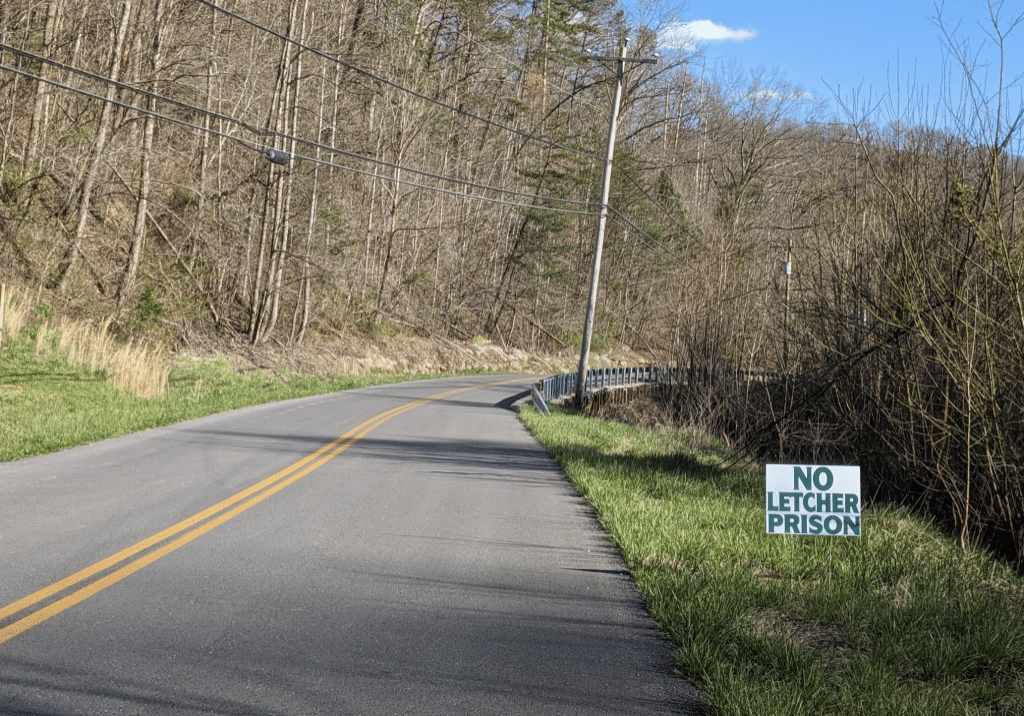
After 20 years, Letcher County prison proposal is still alive, though obstacles remain
A $605 million proposal for a federal prison on a former strip mine site in Letcher County, Kentucky, championed by U.S. Rep. Hal Rogers, refuses to die, despite local opposition, a lack of support from the executive branch and numerous other obstacles.
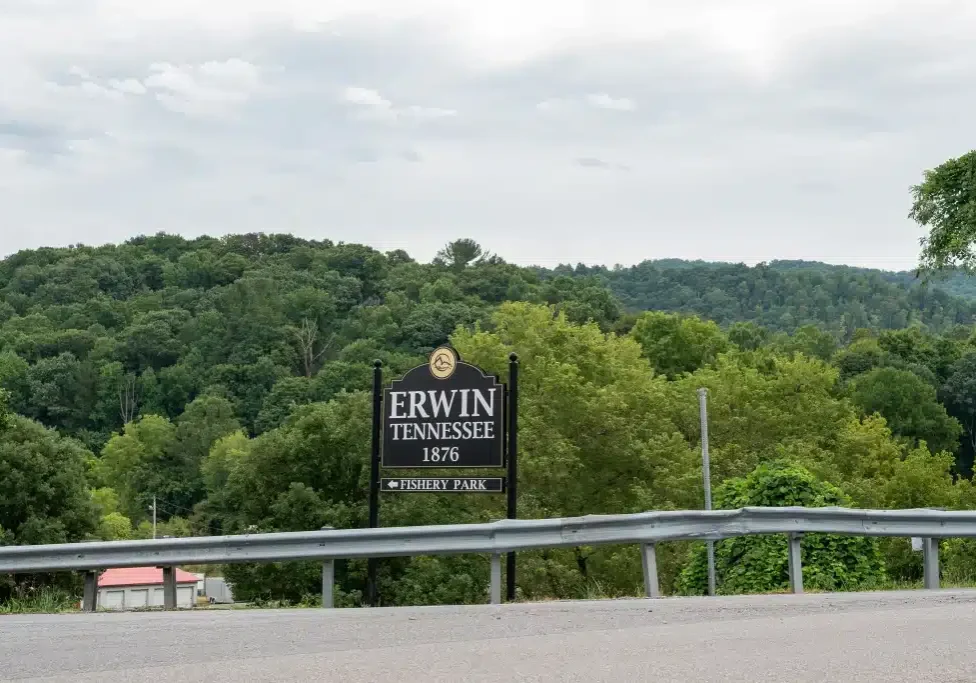
The Washout and Rebuild
For nearly two years, residents of Unicoi County, Tennessee, have had to make do without a hospital after Hurricane Helene destroyed the rural hospital. Ballad Health, which owns the hospital, broke ground on a new location — in another floodplain — in August 2026.

The Shenandoah Salamander
The Shenandoah salamander is a woodland salamander, which has adapted to life at higher elevations away from water. This sparkling rarity lives among the dry leaves, cracked logs, and stony hillocks on the highest peaks of Shenandoah National Park.
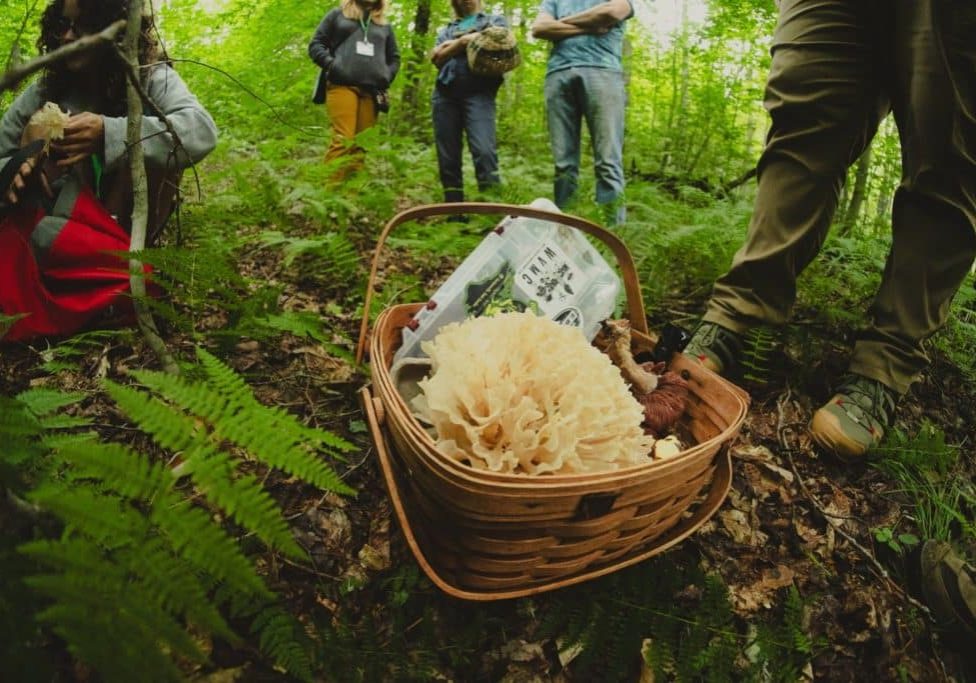
‘Foraging Is a Way of Connecting’
Foraging has experienced a modern resurgence, partly because of social media, online groups, the pandemic and people wanting to connect with nature. It also builds community, whether in person or online.

Colorblind Viewfinders Make Appalachian State Parks More Accessible
Virginia State Parks is the first park system in the nation to have a colorblind viewfinder at each one of its 43 locations — thanks to the dedication of one park ranger. Other states are following suit.
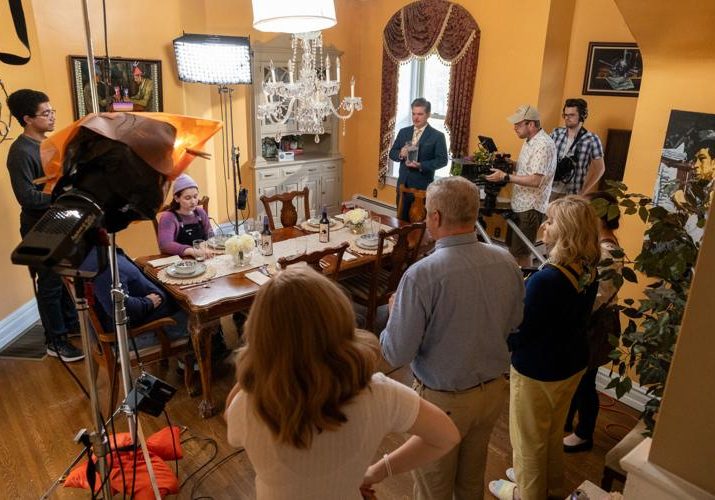
The Future of Film is in West Virginia
Many well-known TV and film productions have developed out of the Mountain State in years past, but the West Virginia Film Office is looking to the future to continue to grow the film industry.

Leave a comment
Your email address will not be published. Required fields are marked *
Leave a Comment