

Wilma Dykeman 1920 – 2006
Appalachia lost a beacon of righteousness and a tower of talent when Wilma Dykeman died at the age of 86 on December 23, 2006, in Asheville, North Carolina.
Wilma Dykeman, who lived in Newport, Tennessee, throughout her adult life, was a uniquely compelling force for decades, combining a high-class background and presentation with a conscientiously progressive politics often years ahead of her time. She basically was at the forefront of many of the most gripping commitments that legions of people in the mountains hold dear, and many of us were either initiated or reinforced in our dedication by her articulate voice. She authored a shelf of books. She spoke before a multitude of diverse audiences. She wrote abundant columns for the Knoxville News-Sentinel. She served as the Tennessee State Historian and as a Trustee of Berea College. She pioneered and popularized the concepts of Appalachian Studies and Appalachian Literature.
Before Rachel Carson’s Silent Spring, Wilma Dykeman insisted that her very first book, being considered for the prestigious Rivers of America series, could never be published, as suggested, without its hard-hitting chapter on the pollution of the river. The New York publishing giant, Rhinehart, caved, and The French Broad was published as Wilma Dykeman wrote it. At every presentation I heard her make after that––and I was there for scores of them all over the region––she had something far-reaching and prophetic to say about our duty to protect our environment.
The first book that she and her husband, James Stokely, wrote together, Neither Black Nor White, had an enormous impact in quelling dangerous sentiment to stick by segregation, especially in East Tennessee, and in reinforcing the latent outlook that embraced integration at an extremely crucial time. Every time I heard her speak, she explicitly rejected racism.
Her novel, The Tall Woman, gave to the literary world a protagonist, Lydia McQueen, who embodied the virtues of a liberated woman decades ahead of her time. And all of Wilma Dykeman’s talks demonstrated that she, too, was ahead of her time on gender issues and embraced enthusiastically the many virtues of equality.
In Highland Homeland and other works, she sought out the wisdom and experience of folks from all walks of life, and at every event I attended that involved Wilma Dykeman I heard a clarion call to reject class chauvinism.
The funeral for Wilma Dykeman, held at the First Baptist Church in Newport on December 29th, was dramatic in its simplicity. None of the printed materials even included a summary of her achievements. The two preachers from Wilma Dykeman’s two principal residences – the Asheville of her youth and infirmity and the Newport of her married life and active widowhood – reflected the virtues of those two venues. Mountain cadences and Biblical illusions rolled from the tongue of the Newport preacher while the Asheville minister enunciated a sophisticated appreciation for a life well-lived. The integrated audience, which included former Tennessee Governor Lamar Alexander; Appalachian Studies pioneer, Loyal Jones; representatives from the Great Smoky Mountains National Park, the Universities of North Carolina and Tennessee and Berea College; people inspired by her books and lectures as well as parishioners and friends, sat mesmerized by David Holt’s rendition of Amazing Grace on the steel guitar and Laura Boosinger’s stirring vocal rendering of What Wondrous Love. The crowd lingered in front of the church unwilling to let Wilma Dykeman go for almost an hour, perhaps comforted by the view of the bluff above the French Broad River and the parade of cars and passengers so ubiquitous in contemporary Appalachia. Wilma Dykeman was of these hills and this small town, the seat of her Cocke County so often portrayed by the media as the home of moonshiners and back-road barroom brawls. She was always aghast at the question of the New York literati – “Do you still live down there?” Always quick to insist she belonged here. She was of us. Yet she towered above us, too: more high class, more principled, more insightful, more fluid in her orations and in putting words on paper. Ultimately, she elevated us. She helped us to be more conscientious, more dedicated and more humanistic in our outlook and our labors. We will miss her sorely. But we must not only take up the tasks we shared with her, but also uplift them.
Related Articles
Latest News
More Stories
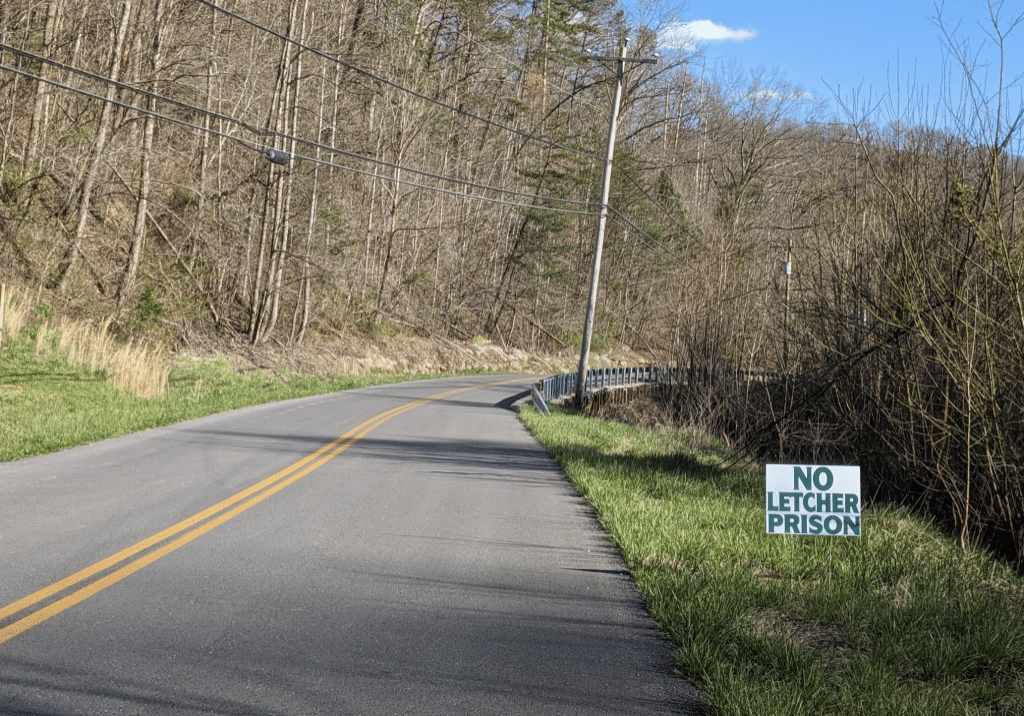
After 20 years, Letcher County prison proposal is still alive, though obstacles remain
A $605 million proposal for a federal prison on a former strip mine site in Letcher County, Kentucky, championed by U.S. Rep. Hal Rogers, refuses to die, despite local opposition, a lack of support from the executive branch and numerous other obstacles.
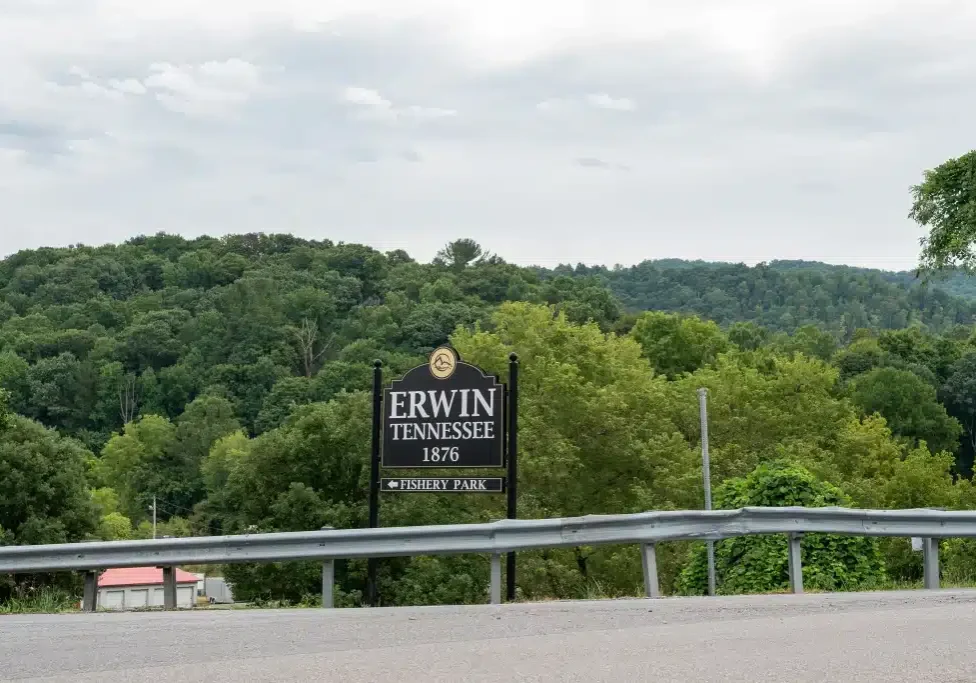
The Washout and Rebuild
For nearly two years, residents of Unicoi County, Tennessee, have had to make do without a hospital after Hurricane Helene destroyed the rural hospital. Ballad Health, which owns the hospital, broke ground on a new location — in another floodplain — in August 2026.

The Shenandoah Salamander
The Shenandoah salamander is a woodland salamander, which has adapted to life at higher elevations away from water. This sparkling rarity lives among the dry leaves, cracked logs, and stony hillocks on the highest peaks of Shenandoah National Park.
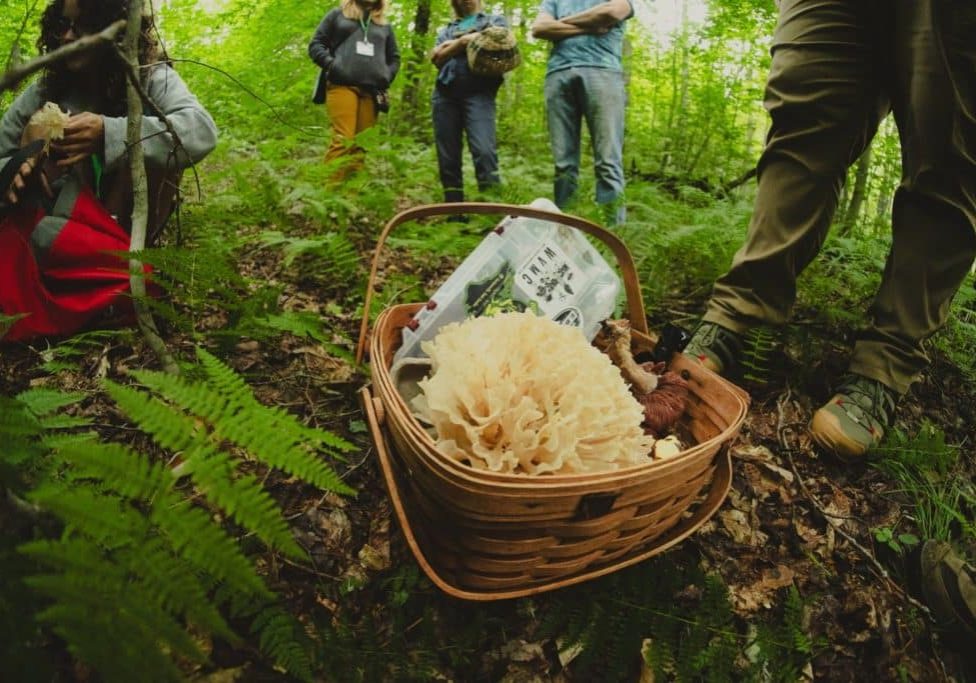
‘Foraging Is a Way of Connecting’
Foraging has experienced a modern resurgence, partly because of social media, online groups, the pandemic and people wanting to connect with nature. It also builds community, whether in person or online.

Colorblind Viewfinders Make Appalachian State Parks More Accessible
Virginia State Parks is the first park system in the nation to have a colorblind viewfinder at each one of its 43 locations — thanks to the dedication of one park ranger. Other states are following suit.
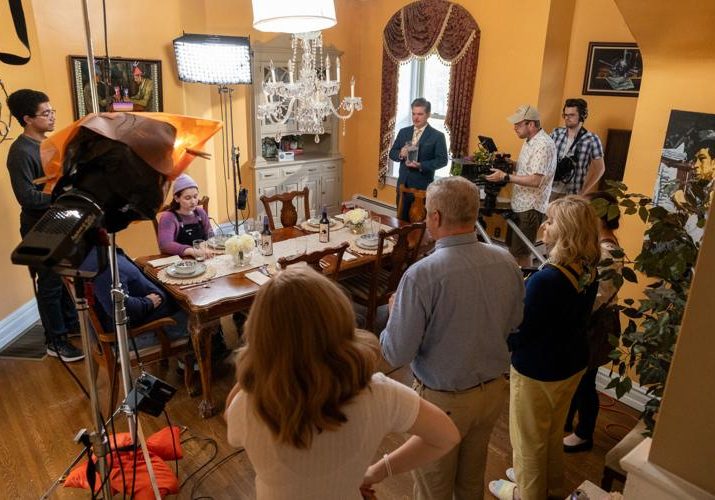
The Future of Film is in West Virginia
Many well-known TV and film productions have developed out of the Mountain State in years past, but the West Virginia Film Office is looking to the future to continue to grow the film industry.

Leave a comment
Your email address will not be published. Required fields are marked *
Leave a Comment