

Coal Report Briefs
Whistleblower Gets His Day: A federal judge ordered a West Virginia coal company to allow Charles Scott Howard to return to his mining job and also pay a $30,000 fine for discriminating against a whistleblower. Cumberland River Coal Co. and its parent company, Arch Coal, reportedly fired Howard for reporting unsafe conditions at a Cumberland River mine. The ruling marks the third time that Howard, known for reporting safety violations, has been reinstated to his job by the courts.
All Fired Up: Despite statewide resistance, Dominion Power’s Wise County coal plant in St. Paul, Va., fired up in July after four years of construction. According to Dominion, the 585-megawatt plant is one of the “cleanest U.S. coal-fired power stations in terms of air emissions with one of the nation’s strictest air permits.” Grassroots pressure during the permitting phase of the plant resulted in stricter emissions limits, including a 94 percent reduction in mercury emissions and 82 percent reduction in acid-rain producing sulfur from Dominion’s original proposal. The plant is allowed annual greenhouse gas emissions equivalent to the emissions of nearly one million cars.
Nearly Fatal Failure to Communicate: Following a surprise federal MSHA inspection that uncovered enough violations to shut down a Harlan County, Ky., mine for nearly a week and a half this spring, a state inspector was reprimanded for finding no problems at the same mine in nearly 30 inspections during the two and a half years leading up to the federal review. The inspector reportedly failed to cite the mine for potentially fatal violations including a non-working fire suppression system, an unsupported roof and potential fire hazards.
It’s Hard Being the Alpha: For the second time this year, environmental organizations headed by the Sierra Club have filed suit against subsidiaries of coal giant Alpha Natural Resources over selenium pollution. The latest suit targets nine surface mines in West Virginia and is asking for fines up to $37,500 per day of violation, some of which date back to 2007, as well as monitoring and cleanup. A similar lawsuit targeting two other mines was launched in May, and last December Alpha settled a case with the same groups that called for $50 million in cleanup efforts and fines.
In another blow for the massive coal company, the Office of Surface mining overturned a West Virginia Department of Environmental Protection decision to retroactively extend a 2,000-acre mountaintop removal permit along Coal River Valley eight months after the three-year limit had expired. WVDEP is currently undergoing an audit by the state.
Related Articles
Latest News
More Stories

‘First Line of Defense’
During Hurricane Helene and its aftermath, rural fire departments and other first responder hubs played critical roles in keeping their communities safe, even without power and cut off from outside support for days or weeks after the storm. Two years later, plenty of work remains to ensure these hubs have the resources they need to operate day to day and be ready when emergencies or natural disasters strike.

The Rocky Road — and Bridge — to Recovery
Hurricane Helene is estimated to have damaged nearly 7,000 private roads and bridges in Western North Carolina. Two years later, many restoration projects are complete, but the journey hasn’t been easy — and isn’t over for others.
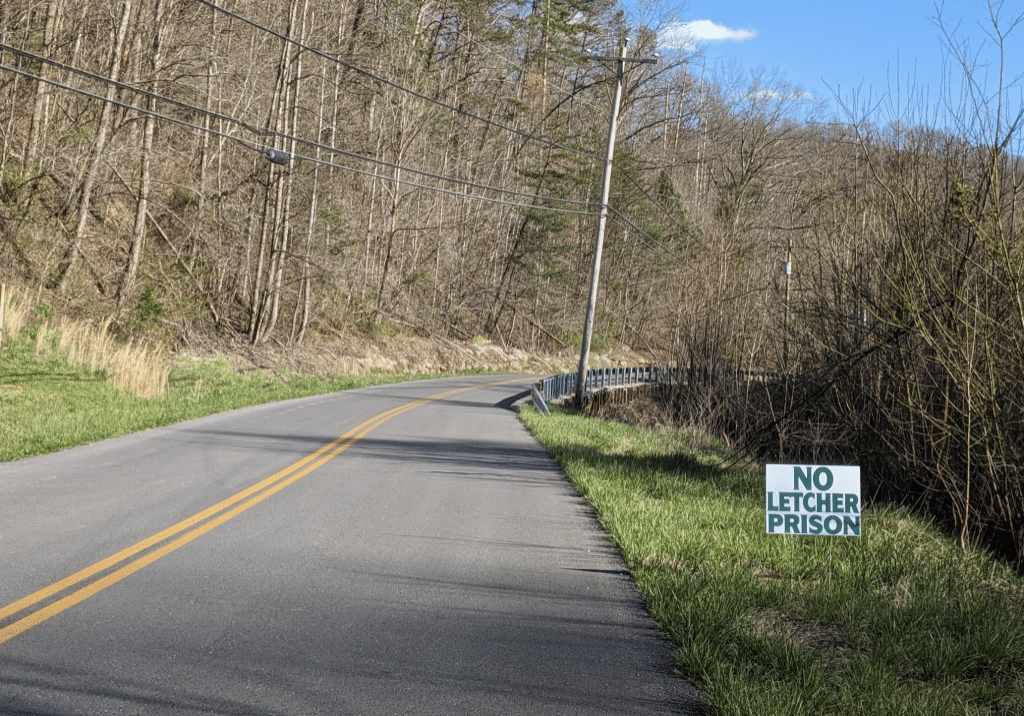
After 20 Years, Letcher County Prison Proposal Is Still Alive, Though Obstacles Remain
A $605 million proposal for a federal prison on a former strip mine site in Letcher County, Kentucky, championed by U.S. Rep. Hal Rogers, refuses to die, despite local opposition, a lack of support from the executive branch and numerous other obstacles.
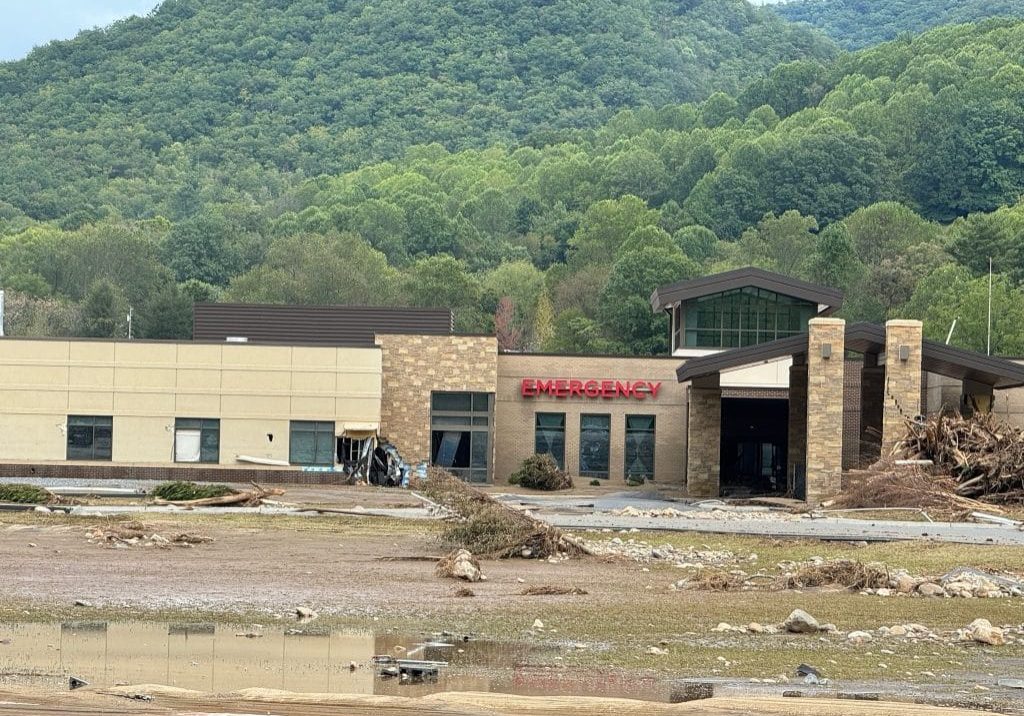
The Washout and Rebuild
For nearly two years, residents of Unicoi County, Tennessee, have had to make do without a hospital after Hurricane Helene destroyed the rural hospital. Ballad Health, which owns the hospital, broke ground on a new location — in another floodplain — in August 2026.
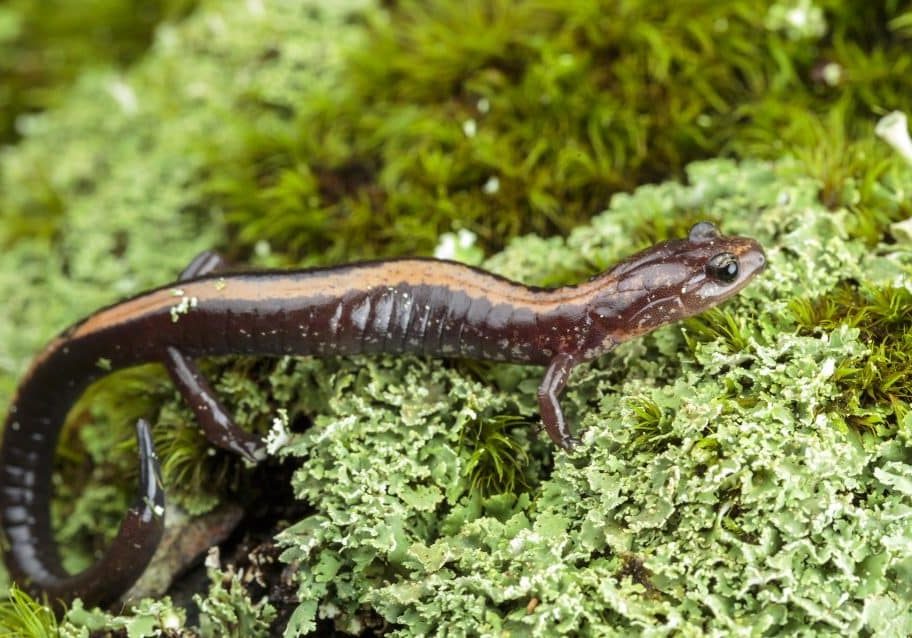
The Shenandoah Salamander
The Shenandoah salamander is a woodland salamander, which has adapted to life at higher elevations away from water. This sparkling rarity lives among the dry leaves, cracked logs, and stony hillocks on the highest peaks of Shenandoah National Park.
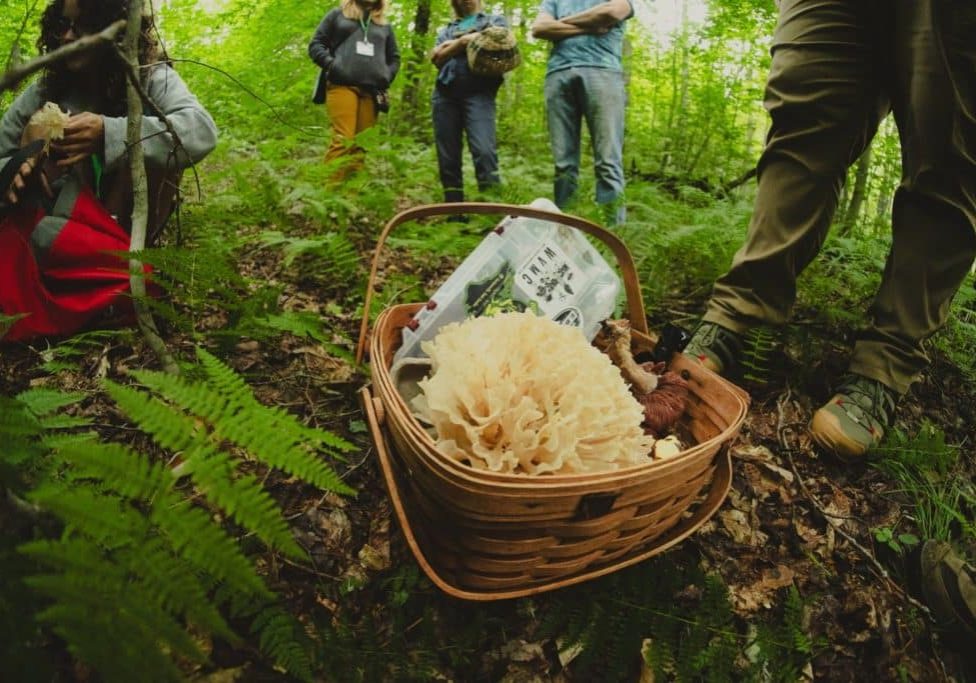
‘Foraging Is a Way of Connecting’
Foraging has experienced a modern resurgence, partly because of social media, online groups, the pandemic and people wanting to connect with nature. It also builds community, whether in person or online.

Leave a comment
Your email address will not be published. Required fields are marked *
Leave a Comment