

Bill Seeks Moratorium on Mountaintop Removal Permits | Black Lung Increasing in Appalachia
New Bill Seeks Moratorium on Mountaintop Removal Permits
Representatives in Washington introduced a bill that would halt permitting for mountaintop removal coal mining until federal studies on health impacts can be conducted.
Thirteen congressional representatives from nine states unveiled H.R. 5959, the Appalachian Communities Health Emergency Act in mid-June, with the help of the Appalachian Community Health Emergency organization, a non-profit collaborative grassroots campaign established by Christians for the Mountains, Coal River Mountain Watch and Mountain Health & Heritage Association.
According to author Wendell Berry, “As certain people of the Eastern Kentucky coalfields helped me to understand nearly 50 years ago, the fate of the land and the fate of the people are inseparable. Whatever affects the health of the land must affect the health of the people.”
For more information about the ACHE Act, visit: stoptheache.org.
Black Lung Increasing in Appalachia
According to a report by the Center for Public Integrity and NPR News, black lung in coal miners is not only still very much around, it’s actually growing worse. The report incorporates research by the National Institute for Occupational Safety and Health that shows black lung cases have increased 3.2 percent in the past decade, and the prevalence of the most severe form of the disease has tripled since the 1980s.
Out of 24 victims from the Upper Big Branch mine explosion in 2010, 17 had signs of black lung — some of whom had spent fewer than 10 years in mines. The report goes on to look at issues in the Mining Safety and Health Administration inspection process as well as endemic corruption in the coal industry which leads coal miners, fearful of losing their jobs, to cheat when taking air dust samples for inspectors.
To read the full report, visit iwatchnews.org.
Related Articles
Latest News
More Stories
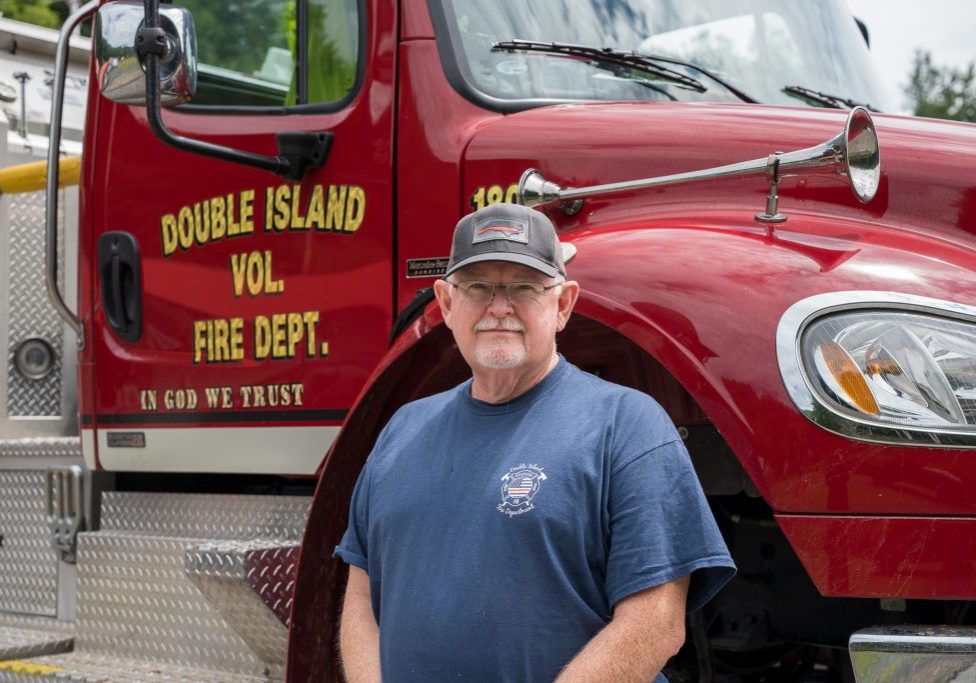
‘First Line of Defense’
During Hurricane Helene and its aftermath, rural fire departments and other first responder hubs played critical roles in keeping their communities safe, even without power and cut off from outside support for days or weeks after the storm. Two years later, plenty of work remains to ensure these hubs have the resources they need to operate day to day and be ready when emergencies or natural disasters strike.
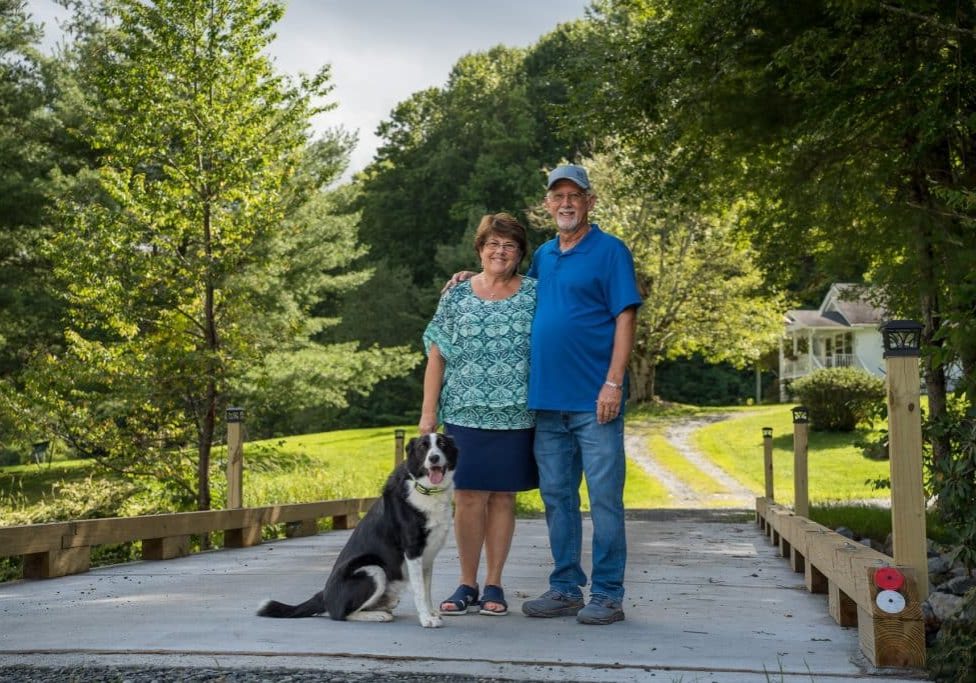
The Rocky Road — and Bridge — to Recovery
Hurricane Helene is estimated to have damaged nearly 7,000 private roads and bridges in Western North Carolina. Two years later, many restoration projects are complete, but the journey hasn’t been easy — and isn’t over for others.
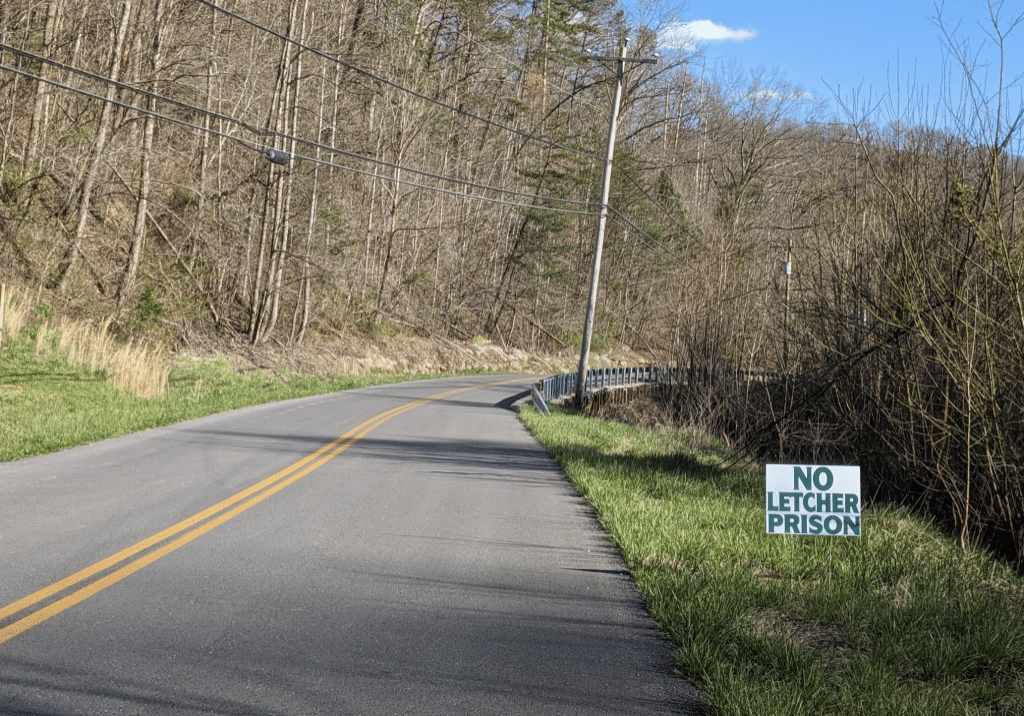
After 20 Years, Letcher County Prison Proposal Is Still Alive, Though Obstacles Remain
A $605 million proposal for a federal prison on a former strip mine site in Letcher County, Kentucky, championed by U.S. Rep. Hal Rogers, refuses to die, despite local opposition, a lack of support from the executive branch and numerous other obstacles.
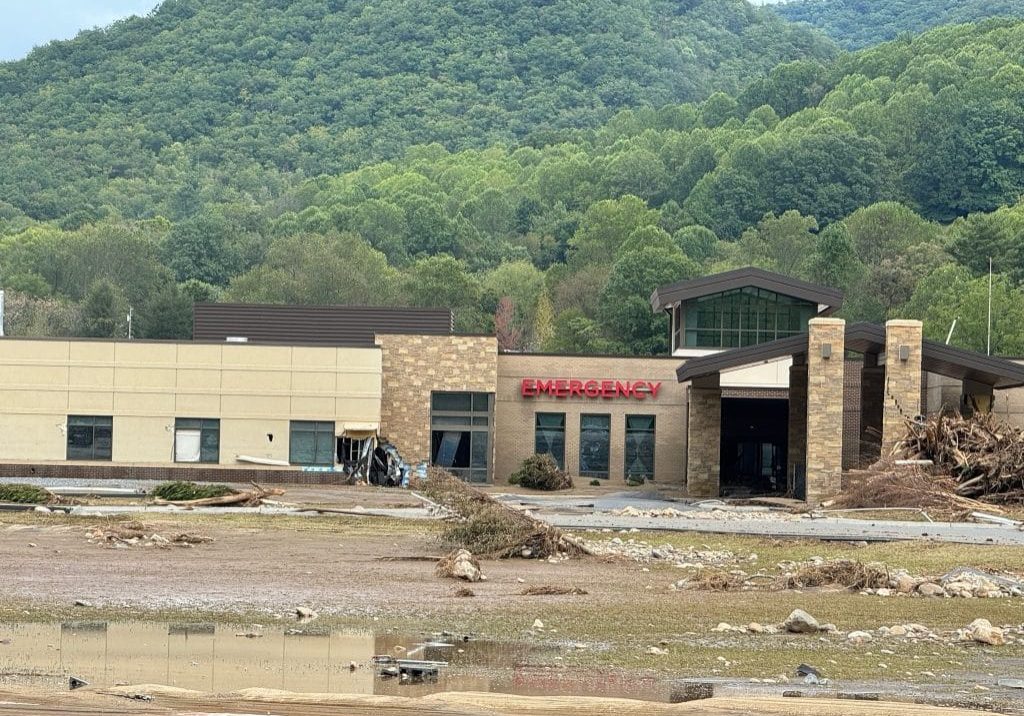
The Washout and Rebuild
For nearly two years, residents of Unicoi County, Tennessee, have had to make do without a hospital after Hurricane Helene destroyed the rural hospital. Ballad Health, which owns the hospital, broke ground on a new location — in another floodplain — in August 2026.

The Shenandoah Salamander
The Shenandoah salamander is a woodland salamander, which has adapted to life at higher elevations away from water. This sparkling rarity lives among the dry leaves, cracked logs, and stony hillocks on the highest peaks of Shenandoah National Park.
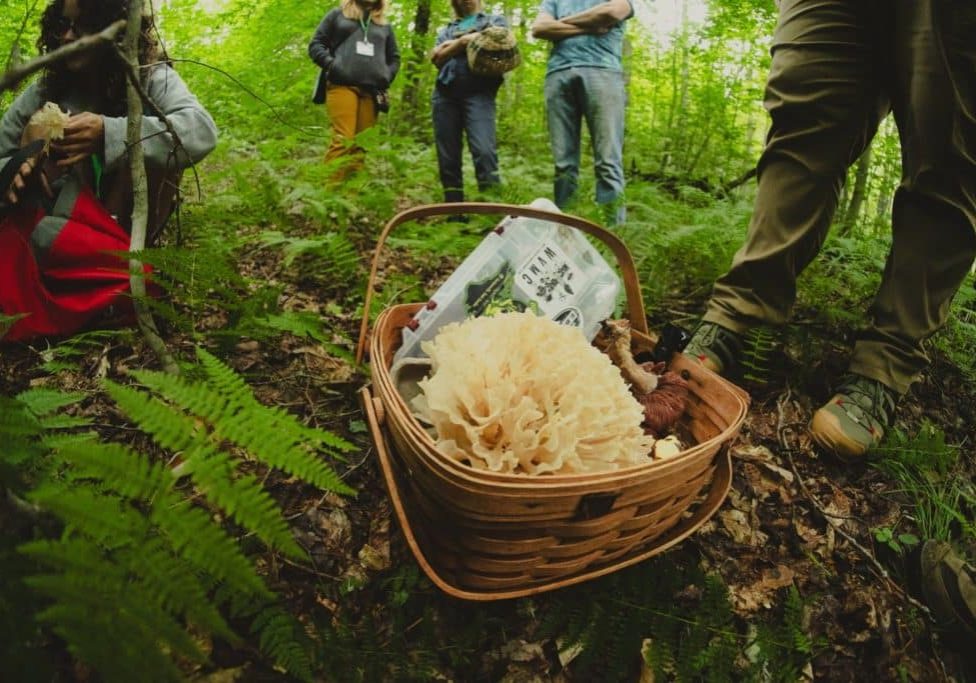
‘Foraging Is a Way of Connecting’
Foraging has experienced a modern resurgence, partly because of social media, online groups, the pandemic and people wanting to connect with nature. It also builds community, whether in person or online.

Leave a comment
Your email address will not be published. Required fields are marked *
Leave a Comment