

The Blueberry Years: An Ode to Farming and Family
Reviewed by Kara Dodson
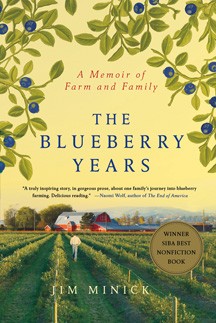
The story of Jim and Sarah Minick’s years managing a blueberry farm read as sweet as a warm, ripe berry plucked from the bush. The courageous and loving young homesteaders recount ten years of preparing, planting, and picking to bring alive a shared dream: an organic, pick-your-own blueberry farm in Floyd County, Va., that welcomes seasoned pickers and newcomers alike.
In “The Blueberry Years,” Minick poetically recalls young pickers’ first buckets, breakfasts in the field, and a sun-struck worm who saved the farm. Split into five parts and very short chapters, the book is a breeze to read, each page offering small insights into the lives of two young teachers-turned-farmers.
I wasn’t expecting to reach personal epiphanies from a blueberry farm memoir. Bur Minick’s patient prose draws you in until you are part of his challenges, his successes and his shortcomings.
The first surprise hits in chapter one when a hasty delivery man, alarmed by how backcountry the area was, unloaded a thousand blueberry bushes on the side of the road. The unfamiliar farmers were left hauling the precious “kids” to a creekside home still in pots. Two months later the plants were nestled in the newly plowed field down the road from the farmhouse, each given a simple prayer: “Grow, little plant.”
Over the course of the book, Jim and Sarah welcome hundreds of pickers to their rural retreat to share laughs, stories and lots of blueberries. They nourished the land to make a living and cultivated communities to strengthen the web of life. To me, this is true Appalachia.
There are dark parts among the sunny stories. Fearing the “failure of this blueberry dream of a farm” and feeling loneliness hovering, the Minicks reach out for friendship within church communities and hippy communes. But lasting friendships are only found when they’re not sought out, much like that perfect berry that Minick aptly describes as an “elemental, unrefined, sun-water-earth-and-air-created color of blue.”
Related Articles
Latest News
More Stories

‘First Line of Defense’
During Hurricane Helene and its aftermath, rural fire departments and other first responder hubs played critical roles in keeping their communities safe, even without power and cut off from outside support for days or weeks after the storm. Two years later, plenty of work remains to ensure these hubs have the resources they need to operate day to day and be ready when emergencies or natural disasters strike.

The Rocky Road — and Bridge — to Recovery
Hurricane Helene is estimated to have damaged nearly 7,000 private roads and bridges in Western North Carolina. Two years later, many restoration projects are complete, but the journey hasn’t been easy — and isn’t over for others.
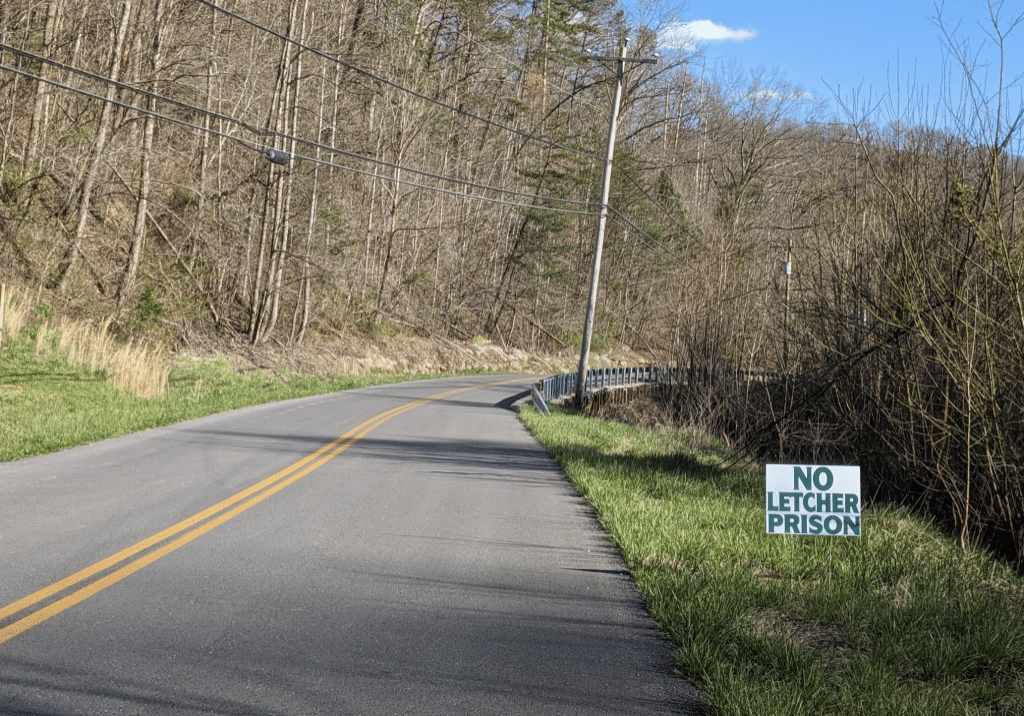
After 20 Years, Letcher County Prison Proposal Is Still Alive, Though Obstacles Remain
A $605 million proposal for a federal prison on a former strip mine site in Letcher County, Kentucky, championed by U.S. Rep. Hal Rogers, refuses to die, despite local opposition, a lack of support from the executive branch and numerous other obstacles.
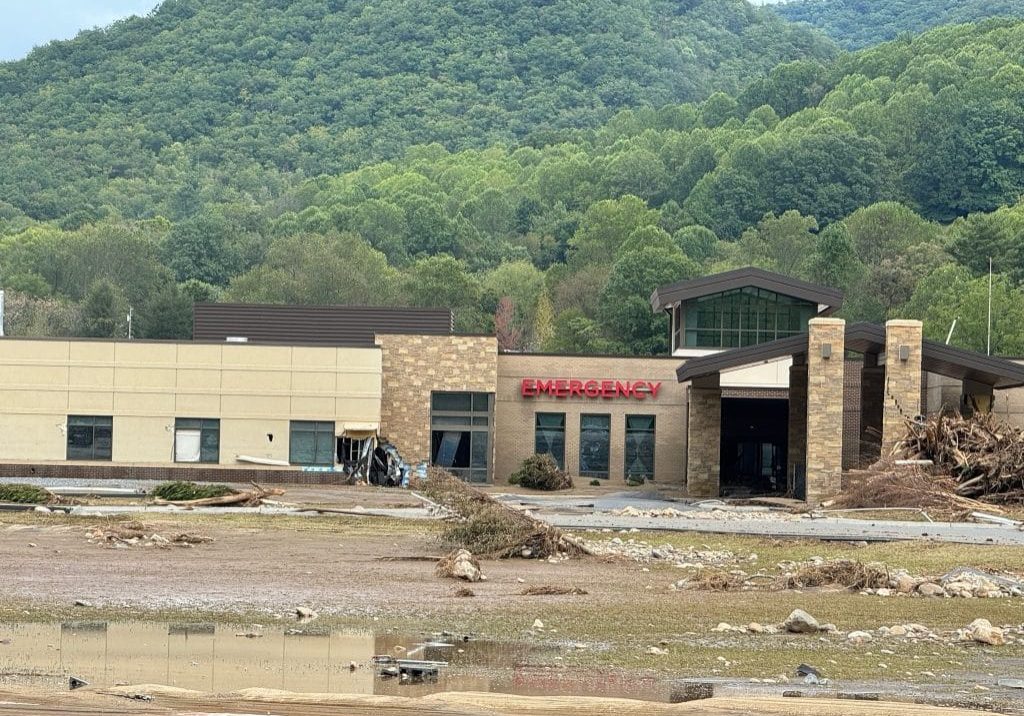
The Washout and Rebuild
For nearly two years, residents of Unicoi County, Tennessee, have had to make do without a hospital after Hurricane Helene destroyed the rural hospital. Ballad Health, which owns the hospital, broke ground on a new location — in another floodplain — in August 2026.
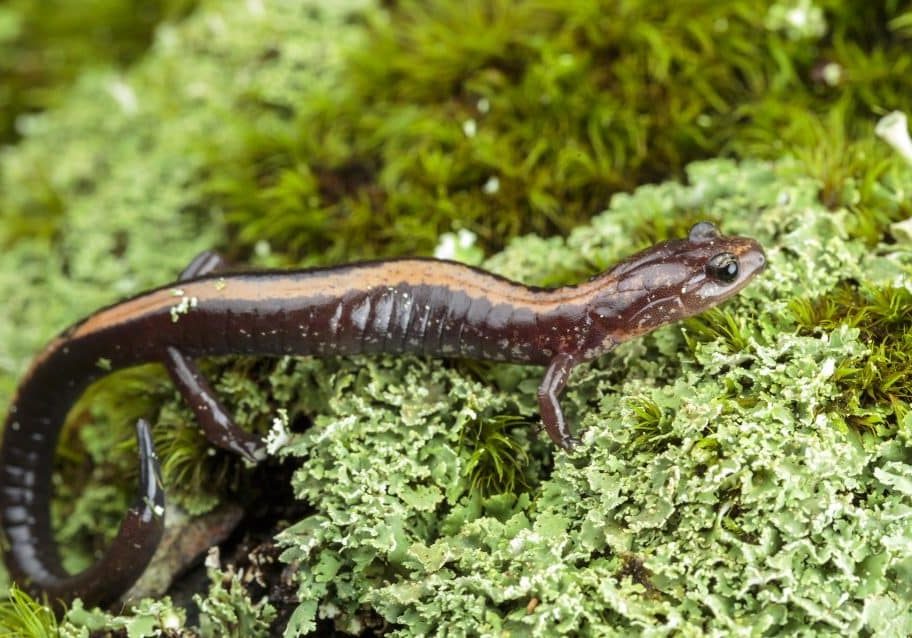
The Shenandoah Salamander
The Shenandoah salamander is a woodland salamander, which has adapted to life at higher elevations away from water. This sparkling rarity lives among the dry leaves, cracked logs, and stony hillocks on the highest peaks of Shenandoah National Park.
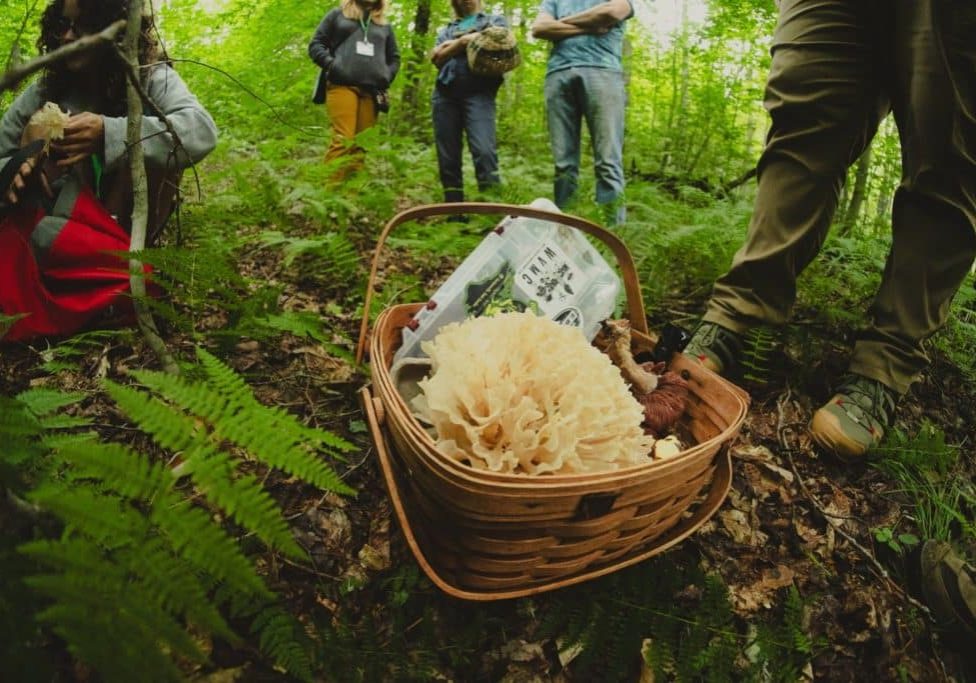
‘Foraging Is a Way of Connecting’
Foraging has experienced a modern resurgence, partly because of social media, online groups, the pandemic and people wanting to connect with nature. It also builds community, whether in person or online.

Leave a comment
Your email address will not be published. Required fields are marked *
Leave a Comment