

Appalachian Classics — Books page
Appalachia: A History. By John Alexander Williams. 2002, University of North Carolina Press. While certainly a scholarly book, Williams’ readable style makes this an ideal source for the casual reader. His narrative begins with the earliest European explorers and concludes with the current state of Appalachia, including the crisis of mountaintop removal. He examines and explains the various historical, cultural, social, and economic forces and trends that have shaped the region, and that have given Appalachia a complex character far removed from the simplistic view held by many. Noted Appalachian scholar David Whisnant called Appalachia: A History “the definitive one-volume history of Appalachia,” and that’s high praise, indeed. (December 06)
Oral History. By Lee Smith. 1983. Ballantine Books. Smith’s rich, rewarding novel about an Appalachian family unfolds as a young woman collects oral histories from her family for a college project. Generations of voices present this saga, spinning a fascinating tale filled with Appalachian history and folk customs. Beautifully crafted, Oral History is one of Lee Smith’s finest novels, and was called “nothing less than masterly” by the New York Times.
Bloodroot: Reflections on Place by Appalachian Women Writers. Edited by Joyce Dyer. University Press of Kentucky.
Bloodroot is a beautiful collection of memoirs by some of Appalachia’s finest writers, all dealing with what it means to them to live in Appalachia. Writers and poets such as Mary Lee Settle, Gail Godwin, Marilou Awiakta, Wilma Dykeman, and more than thirty others have penned a diverse set of essays that deal with what Lee Smith calls “the terrain of the heart.” It’s a brilliant collection, filled with insight and excellent writing.
Women, Power, and Dissent in the Hills of Carolina. By Mary K. Anglin. University of Illinois Press.
For over a century, the mica industry was important in western North Carolina. Anglin’s fine anthropological study examines role women played in the mica factories through close examination of a handful of individuals. The result is a highly-readable text that sheds light on the place of gender, community, and labor in an Appalachian industry.
Related Articles
Latest News
More Stories
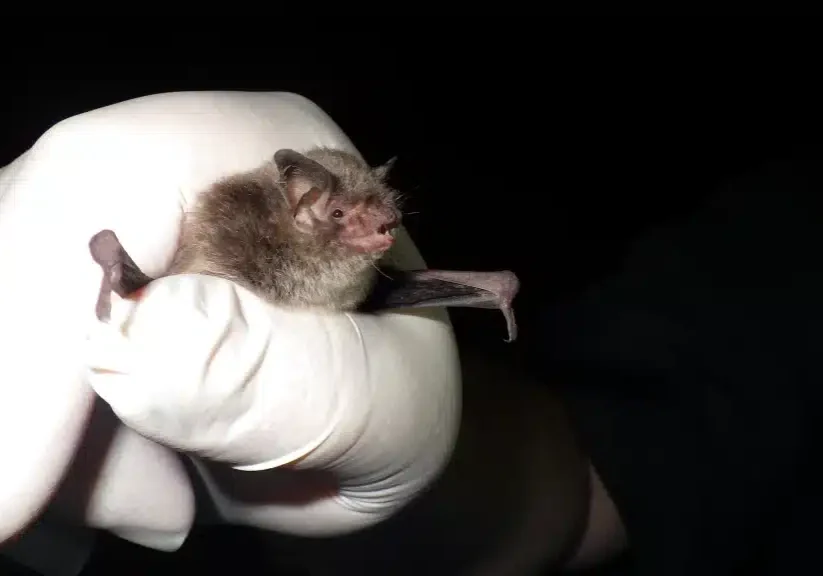
Signs of Life
In the Nantahala National Forest, a team of biologists spotted Indiana bats, an endangered species that hasn’t been seen in North Carolina for the last 11 years.

‘First Line of Defense’
During Hurricane Helene and its aftermath, rural fire departments and other first responder hubs played critical roles in keeping their communities safe, even without power and cut off from outside support for days or weeks after the storm. Two years later, plenty of work remains to ensure these hubs have the resources they need to operate day to day and be ready when emergencies or natural disasters strike.

The Rocky Road — and Bridge — to Recovery
Hurricane Helene is estimated to have damaged nearly 7,000 private roads and bridges in Western North Carolina. Two years later, many restoration projects are complete, but the journey hasn’t been easy — and isn’t over for others.
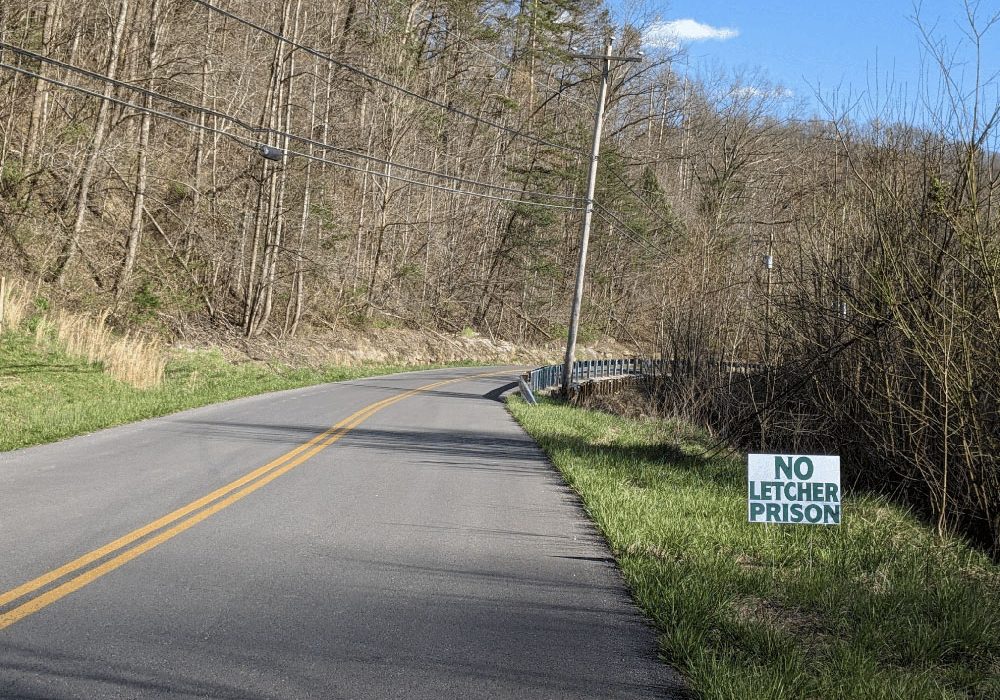
After 20 Years, Letcher County Prison Proposal Is Still Alive, Though Obstacles Remain
A $605 million proposal for a federal prison on a former strip mine site in Letcher County, Kentucky, championed by U.S. Rep. Hal Rogers, refuses to die, despite local opposition, a lack of support from the executive branch and numerous other obstacles.
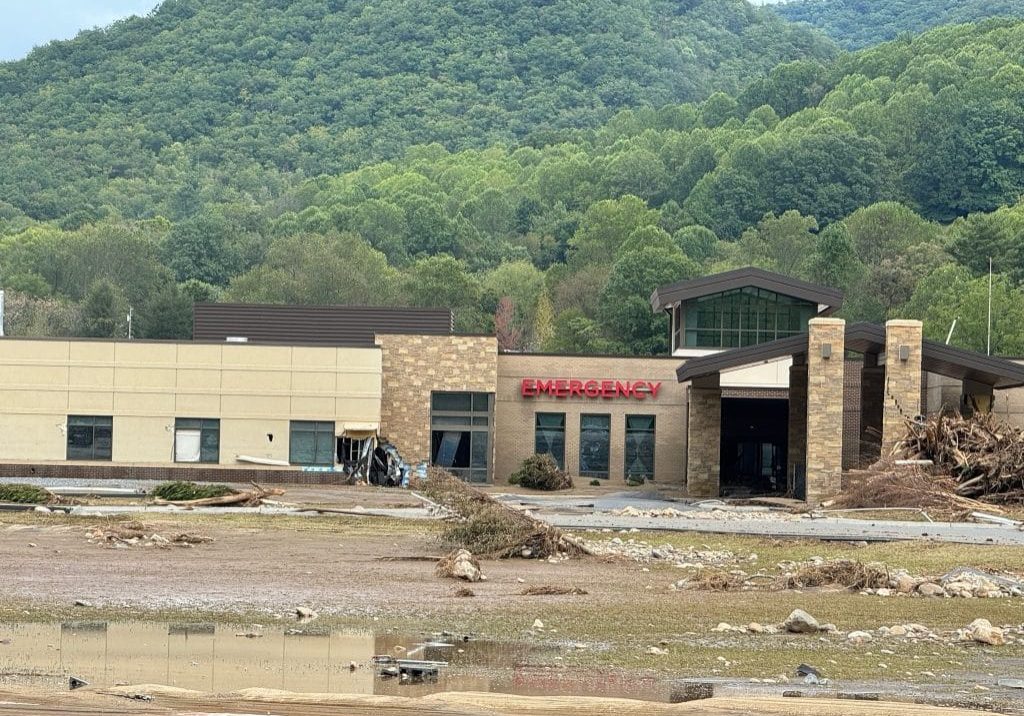
The Washout and Rebuild
For nearly two years, residents of Unicoi County, Tennessee, have had to make do without a hospital after Hurricane Helene destroyed the rural hospital. Ballad Health, which owns the hospital, broke ground on a new location — in another floodplain — in August 2026.

The Shenandoah Salamander
The Shenandoah salamander is a woodland salamander, which has adapted to life at higher elevations away from water. This sparkling rarity lives among the dry leaves, cracked logs, and stony hillocks on the highest peaks of Shenandoah National Park.

Leave a comment
Your email address will not be published. Required fields are marked *
Leave a Comment