

Time to Stop the Denial
Let’s talk about losing touch. According to a 2011 study by the Pew Research Center, fewer Americans believe in global warming than did five years ago. Politicians treat climate change as a non-issue and wage war on the U.S. Environmental Protection Agency as if Americans asked for it. In reality, the opposites are resolutely true. Surveys by the Public Policy Polling show that Americans want the environment protected and peer-reviewed studies confirm that we cannot afford to wait any longer to accept and proactively deal with climate change. After all, these are not political issues to be used; they are issues of conscience.
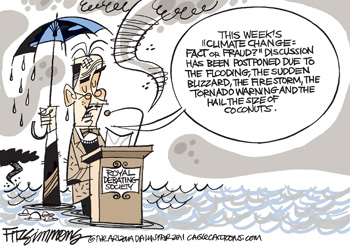
Upon completing the two-year Berkeley Earth Surface Temperature study, American physicist Richard Muller, a long-time climate skeptic, changed his position. “Global warming is real,” he declared in the Wall Street Journal, citing findings that global temperatures have risen around 1.8 degrees Fahrenheit over the past 50 years.
It’s unlikely these are the results that the right-wing Charles Koch Foundation (one of the study’s funders) had expected or hoped for. The foundation released a statement reminding that, amidst the media frenzy, the Berkeley study is under peer review. But Koch is a climate change denier, not a skeptic, an important distinction as one changes their views to fit the evidence — the other ignores it.
At a Nov. 14 congressional hearing organized by the ranking member of the House Energy and Commerce Committee, Ed Markey (D-Mass.), Muller briefed policymakers on the results of the study. There is no way to know, however, if Muller’s recommendations will result in any positive change.
Meanwhile, the EPA continues to fight off attacks by politicians clinging to the unsupported argument that environmental regulations kill jobs. Surveys by Public Policy Polling show that attacks on the agency’s ability to protect the air and water won’t get politicians far with the majority of American voters. Among the results: 78 percent of voters want the EPA to hold polluters accountable for their toxic emissions.
It’s time to stop denying and start listening. How many more so-called studies funded by pro-industry climate change deniers will yield the same results, while they continue to ignore the fact that 95 percent of the scientific community accepts climate change?
In 2010, we saw the largest increase in carbon dioxide pumped into the atmosphere since the industrial revolution began — 564 million more tons than in 2009, an increase of six percent. The approval rating of Congress is hovering around nine percent, the lowest ever. I would not go so far as to claim that these numbers are correlated, but I’m not going to deny it.
Related Articles
Latest News
More Stories
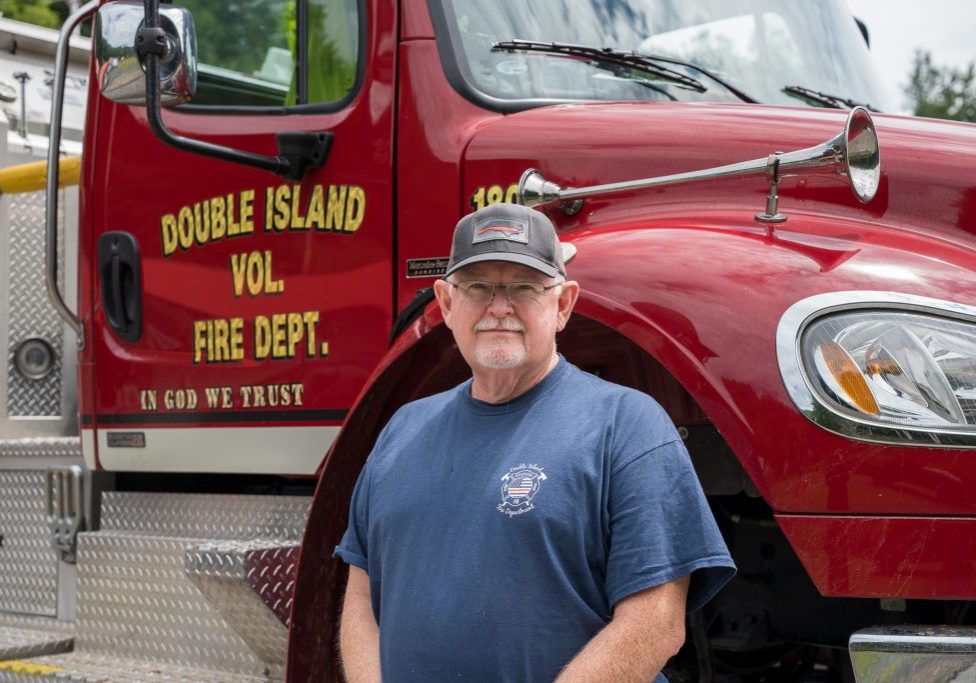
‘First Line of Defense’
During Hurricane Helene and its aftermath, rural fire departments and other first responder hubs played critical roles in keeping their communities safe, even without power and cut off from outside support for days or weeks after the storm. Two years later, plenty of work remains to ensure these hubs have the resources they need to operate day to day and be ready when emergencies or natural disasters strike.
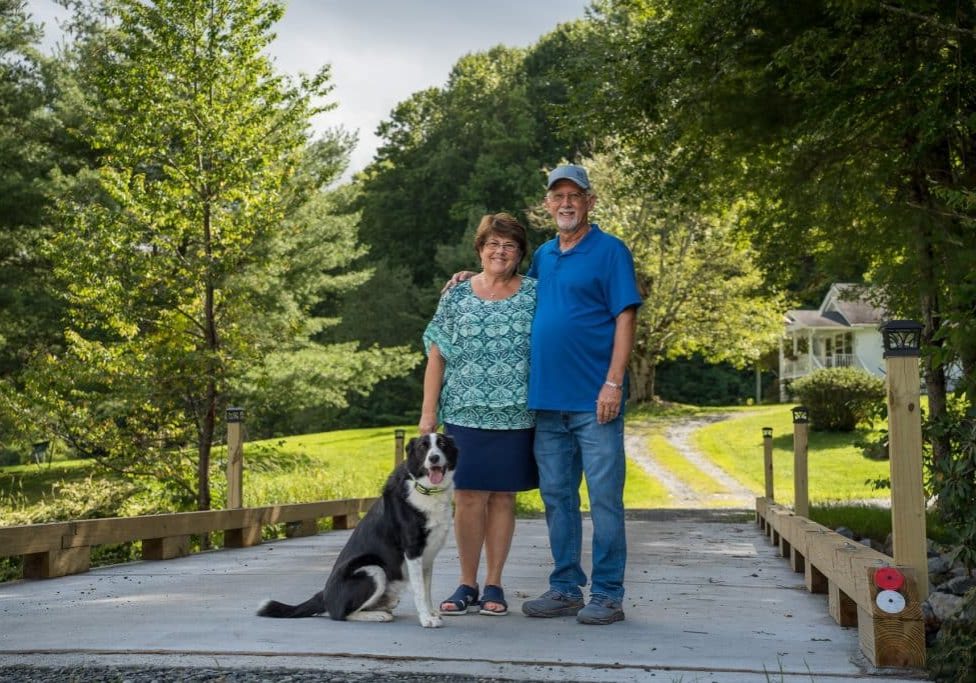
The Rocky Road — and Bridge — to Recovery
Hurricane Helene is estimated to have damaged nearly 7,000 private roads and bridges in Western North Carolina. Two years later, many restoration projects are complete, but the journey hasn’t been easy — and isn’t over for others.
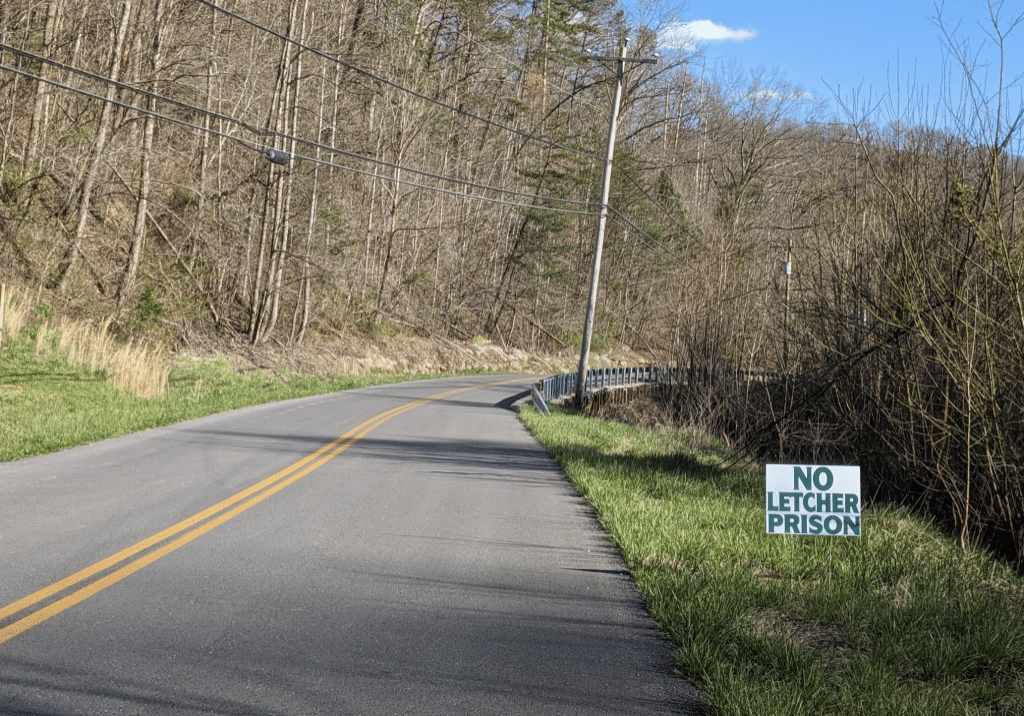
After 20 Years, Letcher County Prison Proposal Is Still Alive, Though Obstacles Remain
A $605 million proposal for a federal prison on a former strip mine site in Letcher County, Kentucky, championed by U.S. Rep. Hal Rogers, refuses to die, despite local opposition, a lack of support from the executive branch and numerous other obstacles.
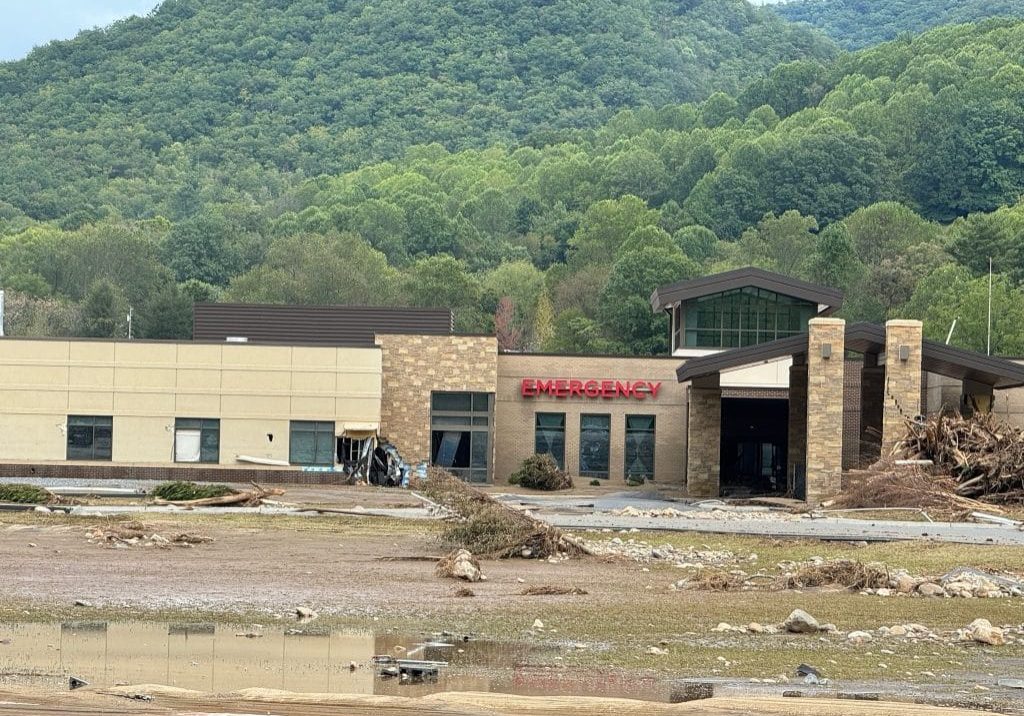
The Washout and Rebuild
For nearly two years, residents of Unicoi County, Tennessee, have had to make do without a hospital after Hurricane Helene destroyed the rural hospital. Ballad Health, which owns the hospital, broke ground on a new location — in another floodplain — in August 2026.

The Shenandoah Salamander
The Shenandoah salamander is a woodland salamander, which has adapted to life at higher elevations away from water. This sparkling rarity lives among the dry leaves, cracked logs, and stony hillocks on the highest peaks of Shenandoah National Park.
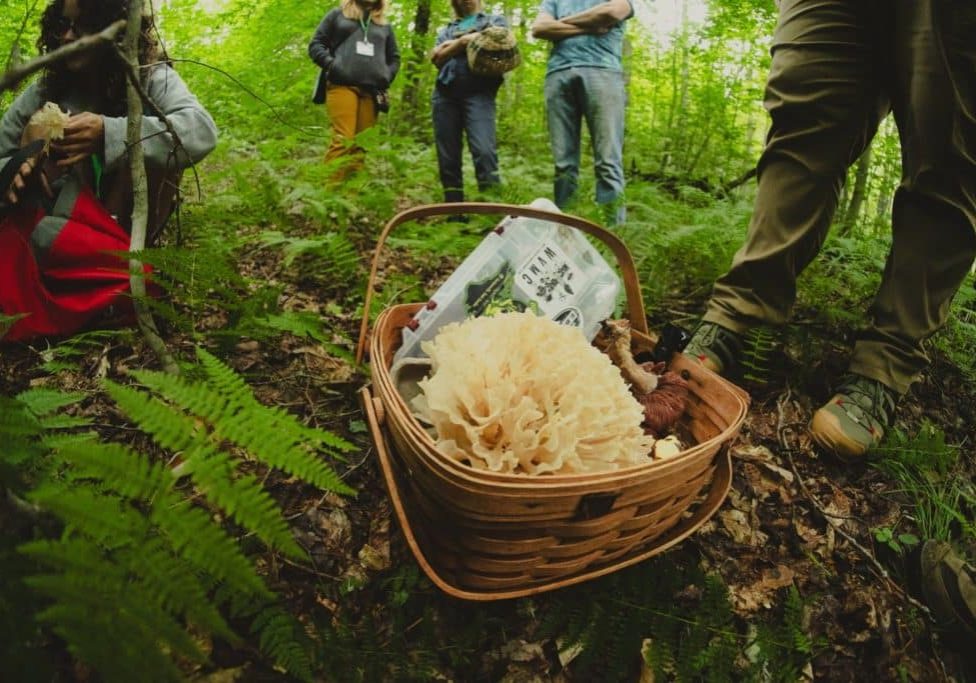
‘Foraging Is a Way of Connecting’
Foraging has experienced a modern resurgence, partly because of social media, online groups, the pandemic and people wanting to connect with nature. It also builds community, whether in person or online.

Leave a comment
Your email address will not be published. Required fields are marked *
2 responses to “Time to Stop the Denial”
-

“At a Nov. 14 congressional hearing organized by the ranking member of the House Energy and Commerce Committee, Ed Markey (D-Mass.), Muller briefed policymakers on the results of the study. There is no way to know, however, if Muller’s recommendations will result in any positive change.”
Yes thre is, there will be no changes. How do I know this? Because the Nov 14th congressional hearing played to an empty chamber. Almost no one attended, even environmental groups didn’t bother to show up.
-
Too bad more Americans, who supposedly beleive in anthropgenic climate change, did not care enough to speak up about Durban. As a result Durban was a total failure. Even the UNs secretive REDD program is getting resistance from the very South American indigenous people it was designed to destroy. Amazing.
I can’t wait for REDD to be dropped in Obamas lap during the Presidential race. This should be good.

Leave a Comment