

Many ‘Permitting Reform’ Proposals Would Further Strip Environmental Protections, Weaken Public Input
By Appalachian Voices staff
Legislators and the Trump administration are pushing changes to environmental laws under the banner of “permitting reform.” Supporters say these changes will help build infrastructure faster. While changes are needed to federal processes to allow construction of critical infrastructure, critics warn that many proposed changes will weaken protections for air and water, and limit the public’s ability to have a say in decisions affecting their communities.
At the center of the debate is the National Environmental Policy Act, known as NEPA, a bedrock, bipartisan environmental law. It requires federal agencies to consider the environmental and socioeconomic impacts of major proposed federal projects or projects that require federal approval — such as effects to water quality, species habitats, traffic patterns or local businesses.
NEPA has also been an important tool for residents to have a say in projects that impact their health and safety, hold the government accountable to the law and reduce the negative impacts of major infrastructure projects.
Recent rollbacks
The law has already been significantly weakened. A day-one executive order from President Donald Trump directed the White House Council on Environmental Quality to eliminate its longstanding NEPA regulations. A D.C. Circuit Court of
Appeals ruling in late 2024 found the council lacked the authority to issue the regulations. The regulations have been replaced with non-binding guidance.
In response, federal agencies have changed how they handle environmental reviews. Some have shortened or eliminated public comment periods for certain projects. Others now require consideration of only the most direct and immediate environmental impacts — not long-term impacts or downstream damage. Some also allow project applicants to draft their own environmental review documents instead of the agency drafting them, creating a serious conflict of interest.
More threats
Congress is considering additional rollbacks, such as the SPEED Act, which passed the House and could be considered by the Senate. Among other changes, the SPEED Act would limit agencies’ responsibility to consider new scientific information, even research submitted during the comment period and conducted after a project is proposed.
The SPEED Act would also make it harder for people impacted by a project to sue a federal agency for failing to comply with NEPA. It would shorten the window to bring a lawsuit from six years to 150 days and would require litigants to have previously submitted a unique comment specifically related to their legal challenge.
It often takes longer than 150 days to understand a project’s potential impacts and to obtain legal representation. Critics say this would be especially hard on rural or disadvantaged communities that may not learn about a nearby project until after the public comment window has closed.
Less than one-quarter of 1% of NEPA projects are litigated, so restricting lawsuits doesn’t “speed up” the vast majority of projects — it just makes it harder for the public to hold agencies and industry accountable.
What actually speeds up projects
One key barrier to faster project permitting is limited staff and funding at agencies handling NEPA permitting, such as the U.S. Environmental Protection Agency, a problem worsened by recent staffing and budget cuts. Research shows that early, meaningful engagement with communities and local governments leads to better decisions, fewer conflicts and, ultimately, quicker projects.
Other proposed solutions include ensuring agencies have access to better technology and updating antiquated federal websites. This would help agencies provide clearer information to the public and to project developers, and make the permitting process more transparent and easier to navigate.
Related Articles
Latest News
More Stories

Halloween Approaches, and Night School Is in Session
The House of Art in Bluefield, West Virginia, looks like a haunted tower, making it the perfect location for its sixth annual haunt event: Night School. The Night School will be open every Friday and Saturday night through Oct. 31.
‘The Most Perfect Act of Love’
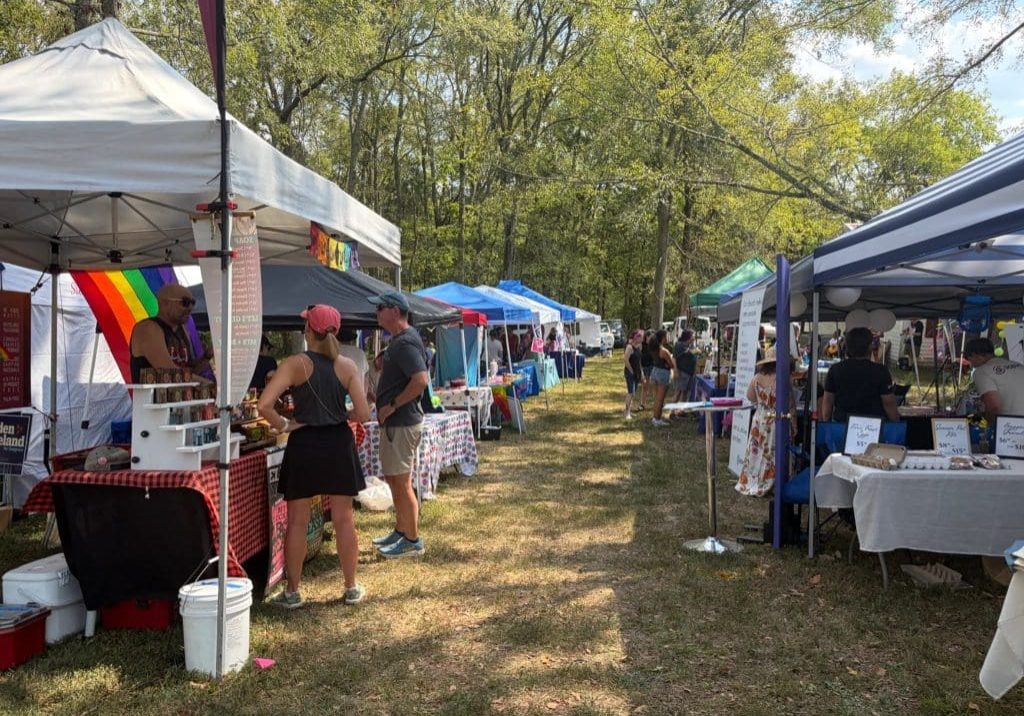
After losing its rural pride celebration, hundreds of people attended the second annual Affirming Sumner Pride celebration on a 24-acre farm dubbed “Fruity Farm” in Bethpage, Sumner County, Tennessee.

Signs of Life
In the Nantahala National Forest, a team of biologists spotted Indiana bats, an endangered species that hasn’t been seen in North Carolina for the last 11 years.

‘First Line of Defense’
During Hurricane Helene and its aftermath, rural fire departments and other first responder hubs played critical roles in keeping their communities safe, even without power and cut off from outside support for days or weeks after the storm. Two years later, plenty of work remains to ensure these hubs have the resources they need to operate day to day and be ready when emergencies or natural disasters strike.

The Rocky Road — and Bridge — to Recovery
Hurricane Helene is estimated to have damaged nearly 7,000 private roads and bridges in Western North Carolina. Two years later, many restoration projects are complete, but the journey hasn’t been easy — and isn’t over for others.

After 20 Years, Letcher County Prison Proposal Is Still Alive, Though Obstacles Remain
A $605 million proposal for a federal prison on a former strip mine site in Letcher County, Kentucky, championed by U.S. Rep. Hal Rogers, refuses to die, despite local opposition, a lack of support from the executive branch and numerous other obstacles.

Leave a comment
Your email address will not be published. Required fields are marked *
Leave a Comment