

The Feral Ponies of Grayson Highlands
The Grayson Highlands ponies persevere, despite many challenges in an ever-changing landscape
By Melissa Bahleda
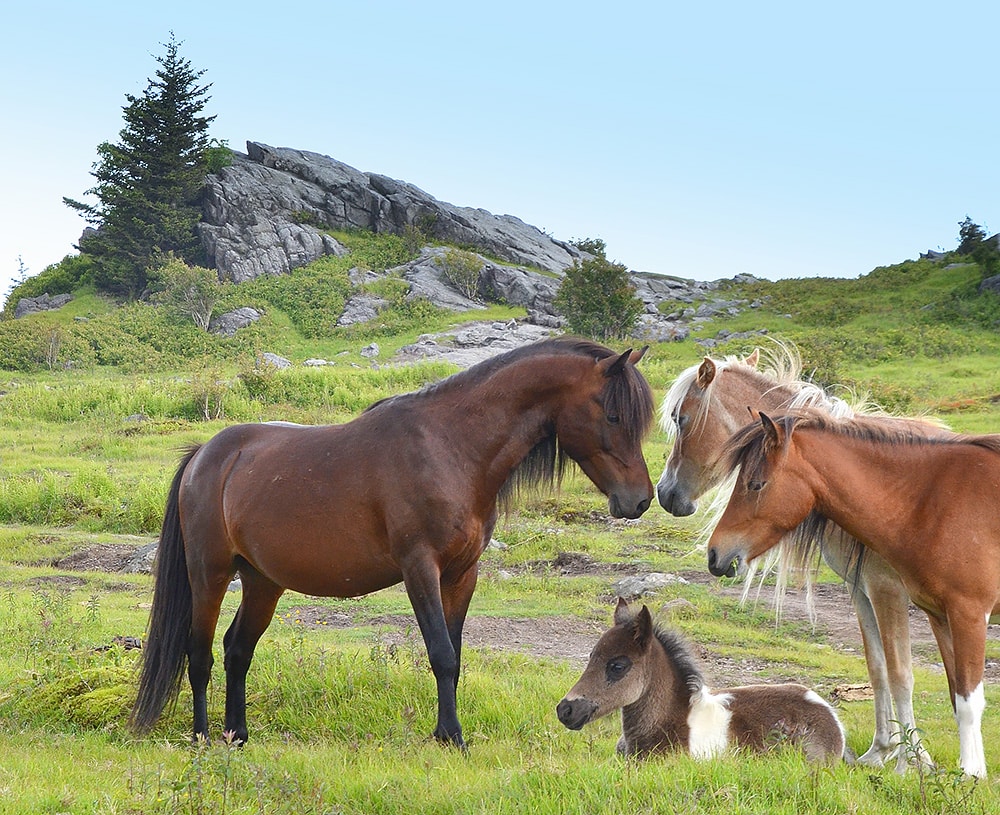
No matter how many times you visit, Grayson Highlands State Park is always enchanting. Famous for its mountain balds — high-elevation, rolling peaks covered in shrubs and grass — the park also offers stunning alpine views, scenic overlooks, historic cabins, dazzling waterfalls and miles of hiking trails from easy to challenging and lesser-traveled to a popular section of the Appalachian Trail.
But for people who visit the park regularly, the truth is no secret: The real magic of the park is the ponies.
Unlike most of the other “wild” horses and ponies across the country, the Grayson Highlands herds have come to be called “feral” ponies as opposed to “wild.” Released initially to keep the grassy balds from becoming overgrown, the original domestically bred and raised ponies quickly adapted to life in the wild, thanks to their hardy Shetland origins. The abundance of grass, lush vegetation and fresh water also makes it ideal pasture land for the ponies.
Wild or feral, there is no question that these ponies and the place they call home are a special combination, especially for those of us who love wildlife and wild places. Having spent countless hours with wild horses all over North America, I understand why so many people enjoy spending time in the presence of these pretty, and sometimes petulant, ponies.
The Wilburn Ridge Pony Association
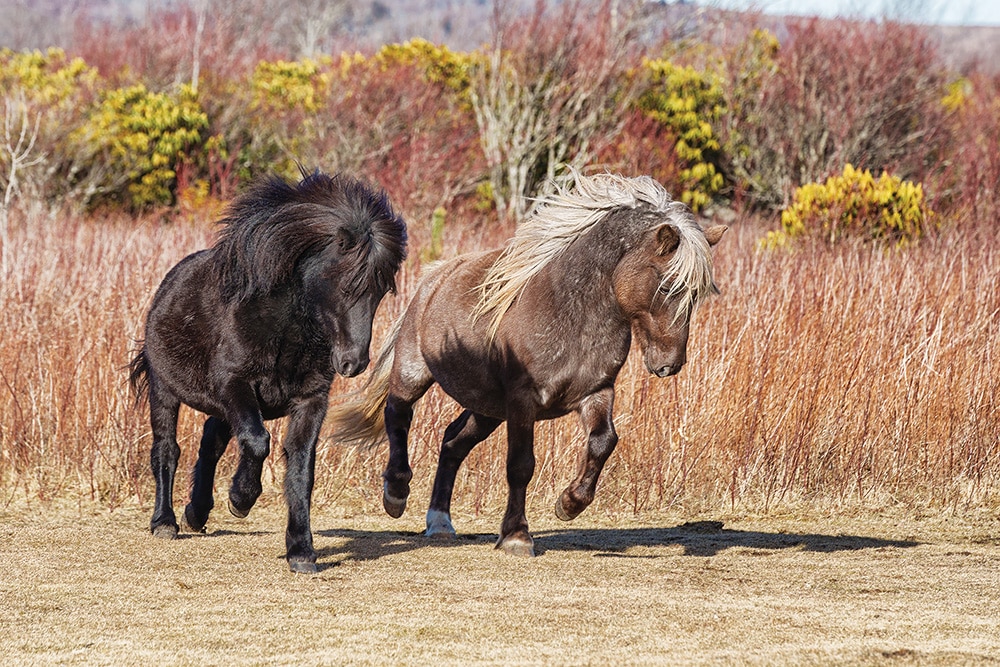
Shortly after the release of that first herd of ponies in the early 1970s, the Wilburn Ridge Pony Association formed. Since then, the association has worked to protect and preserve the herds, whose combined population once rose to over 200. Today, that number hovers around 80, with 12 studs leading several different bands of mares and yearlings. The reason for the drop in pony numbers is complicated.
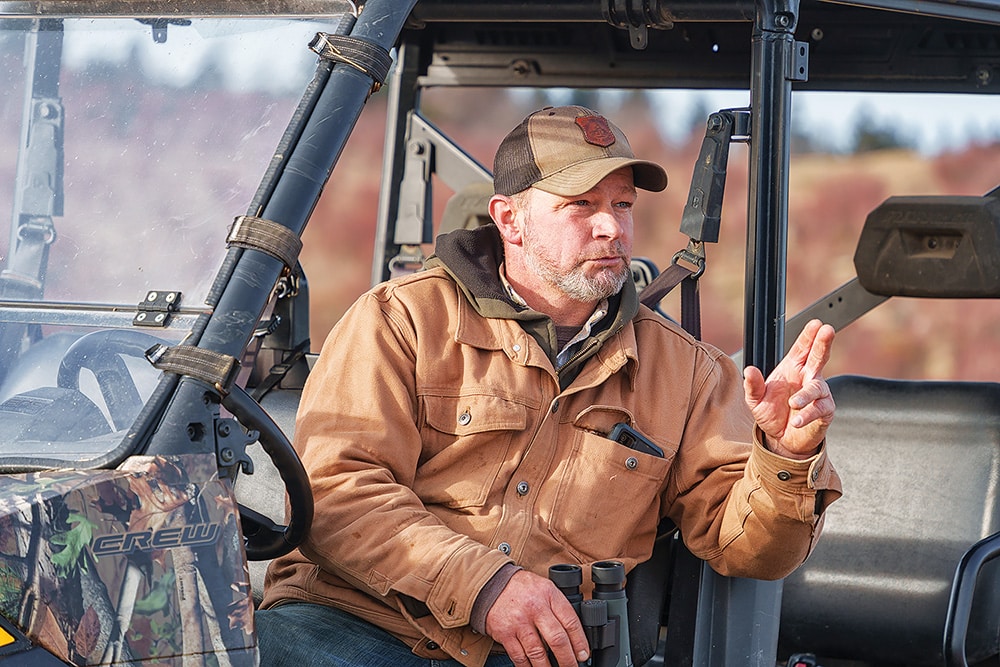
Pony association President Jerry Ward, a self-described “true cowboy,” is a rancher and Highlands native. He took over as head of the pony association in 2022 and serves as the herds’ caregiver and head guardian.
At the time, there were debates over how to best care for the ponies. Some claimed that the ponies should be left to nature and their own devices, while others argued that they should be removed from the landscape altogether, either for the ponies’ safety or in an attempt to restore the natural ecosystems as they existed before the ponies.
Others wanted them routinely fed, vetted and cared for like domestic ponies, either in the park or removed to local farm settings. Now that the population has declined and they are well-cared for, the debates have settled down.
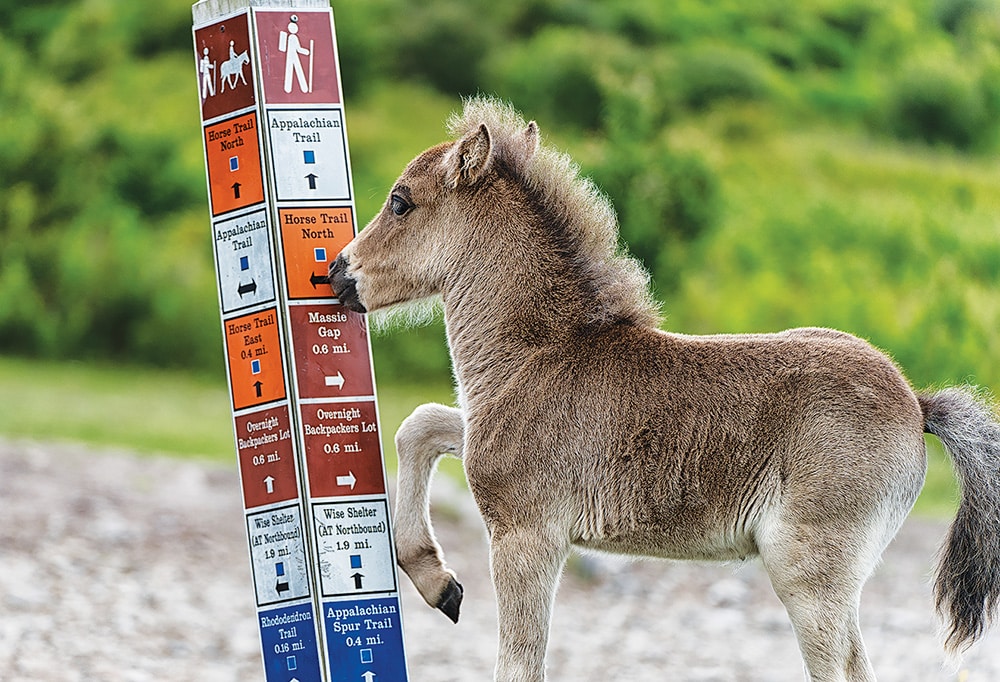
Ward’s job is not easy. The ponies roam an almost 5,000-acre landscape, where the topography often makes it difficult to spot the small equines, especially the newborn spotted foals, whose coloration can become the perfect camouflage, Ward notes.
With stallions competing for territory, pregnant mares surviving harsh winters, new foals arriving in the spring, and other issues, Ward regularly checks on individual ponies and tracks the locations of all the herds. He and the pony association provide them with supplemental hay in winter, deworming feeds in the spring and medical aid when needed.
Ward lives and raises beef cattle on a nearby farm, relying on his horse and ATV to access the park and bring the ponies what they need — which sometimes includes massive round bales of high-quality hay. The hay has greatly improved the ponies’ overall survival rate during the harsh winter months, as well as their physical condition as they move into spring when mares bring the next generation into the world.
Ward also manages the pony association’s annual September pony auction. Several foals and occasionally a few young stallions or mares are selected and then sold to the highest bidder. The funds raised help support the remaining herd, while the auction serves as a humane way to keep pony numbers at sustainable levels, with many previous buyers returning to add more to their own herd.
Fellow pony association member Elizabeth Wegmann has adopted four Grayson Highlands ponies and knows many other adopters with small herds of these beloved creatures.
Ward takes on most of the care responsibility, but he is not alone. Wegmann and other pony association members, along with volunteers, visit the park often to spend time with the ponies, check on them and let Ward know about any injuries, new foals or signs of illness. They also educate the public about the ponies’ needs and history.
Many people first learn about the ponies through stirring photos taken by Wegmann and other association members. These images appear on park materials, social media and websites, shared by pony fans around the world.
Others discover them while visiting the park. “Oh my gosh, there are PONIES up here!” is a sentiment Wegmann and other members hear often. The visitors’ delight brightens their faces, too, and the association members have yet another opportunity to educate someone new while they discuss their love and passion for the ponies of the highlands.
Pony prey
Today, the Grayson Highlands ponies still face age-old equine conflict questions over whether “wild” or “feral” horses have a right to the landscape at all. They also deal with new problems, many linked to climate change and the rise in disease and parasites. But Ward is also concerned about another threat to the pony population: Predators.
“Last year we lost over two-thirds of the new foals,” Ward says, noting that the loss was higher than usual. “Was all of that due to predators? Probably not. But there are definitely coyotes and bears up here. We have a horse recovering now from a bear attack.”
Ward also believes there may be mountain lions in the area. But Assistant Grayson Highlands State Park Manager Andrew Stern isn’t convinced of the felines’ presence in the park.
“When concerns were first raised in 2023, we consulted with both the Virginia Department of Wildlife Resources and the U.S. Forest Service biologist assigned to the Mount Rogers National Recreation Area,” Stern says. “Based on the available evidence, it was not possible to conclusively determine whether the observed injuries were caused by coyotes, domestic dogs or bears. Additionally, despite conducting intensive searches, we were unable to locate any carcasses.”
Mother Nature can seem cruel — the reality is that less than half of the infants born to any species in the wild are likely to survive their first few months, let alone their first year. Yearling ponies are large, fast and strong enough to escape most predators, and as they mature, the likelihood of their survival also increases.
A people problem
“Those ponies are there for our enjoyment; they’re not there for people to feed,” Ward tells me.
Stern, too, notes that the biggest issue the ponies face is the behavior of many of the people who come to see them.
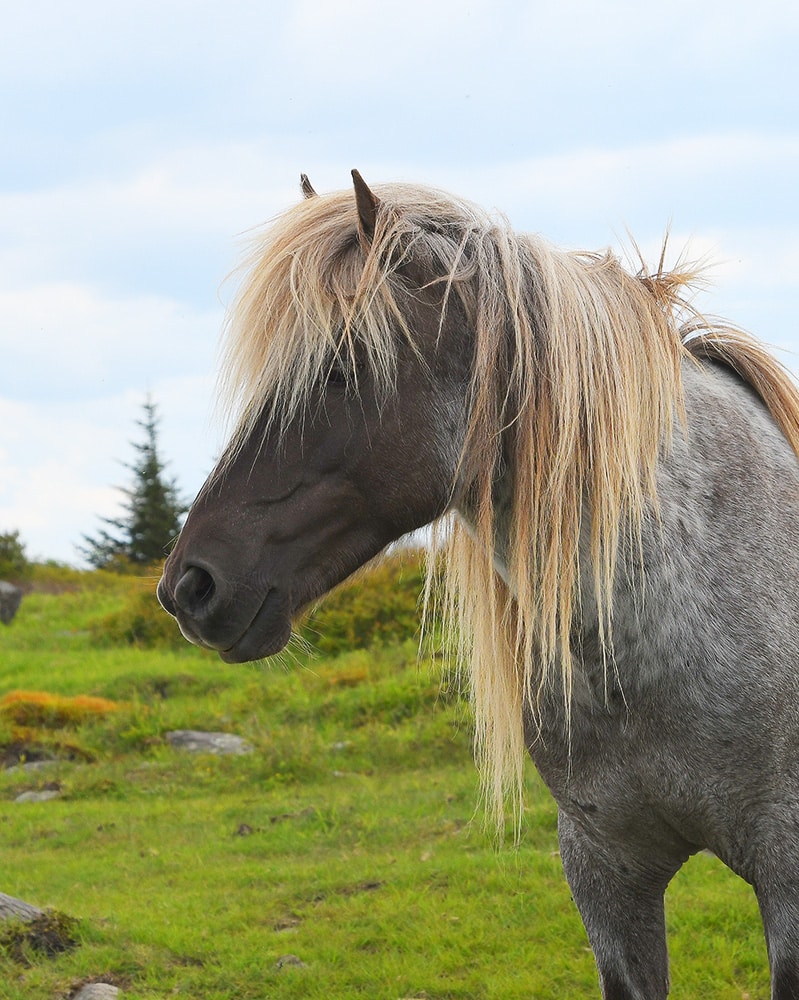
“Despite the park’s guidelines for people to avoid getting too close or interacting with the ponies, many visitors do touch and feed them,” he says. “This has unfortunately resulted in the ponies becoming too accustomed to people and has a negative impact upon their health, as human food can be harmful.”
During a recent visit to the park, I noticed that most ponies we encountered were surrounded by people, many of whom were petting and touching them, though not necessarily feeding them. But, as someone who has spent years of my life seeking out and studying wild horses, it was still somewhat shocking to witness — along with seeing piles of oats and carrots on the ground.
It’s still against park guidelines for people to touch or feed the ponies. So what changed?
“People no longer read the signs, and if they do, they feel that the rules are for other people, not for them,” Ward says. “We had signs all over the place out there at one time, and people just ignored them. We’ve talked about doing QR codes, or something like that, because people seem to be willing to read things on their phones; maybe that would work, or maybe it wouldn’t.”
But why would feeding carrots or apples or anything else to a pony be a problem? It’s because the results can be deadly.
For much of the year, the ponies, although technically “feral,” live like wild horses, eating dried grass and hay and edible native plants. When tourist season arrives and carrots, apples, crackers and other snacks appear, the ponies, who are not used to these types of food, gladly snatch them up. But unfamiliar snacks can cause colic, a severe and painful condition that can result in death if not detected early.
From Wegmann and the other pony association members to Grayson Highlands State Park staff, everyone agrees that the biggest threat to the ponies stems from contact with people — especially from people feeding them. If Ward had a dollar for every carrot he’s picked up off the ground over the years, he says, “I’d be a wealthy guy.”
“Probably for that reason, I hate carrots,” he says.
Pony perseverance
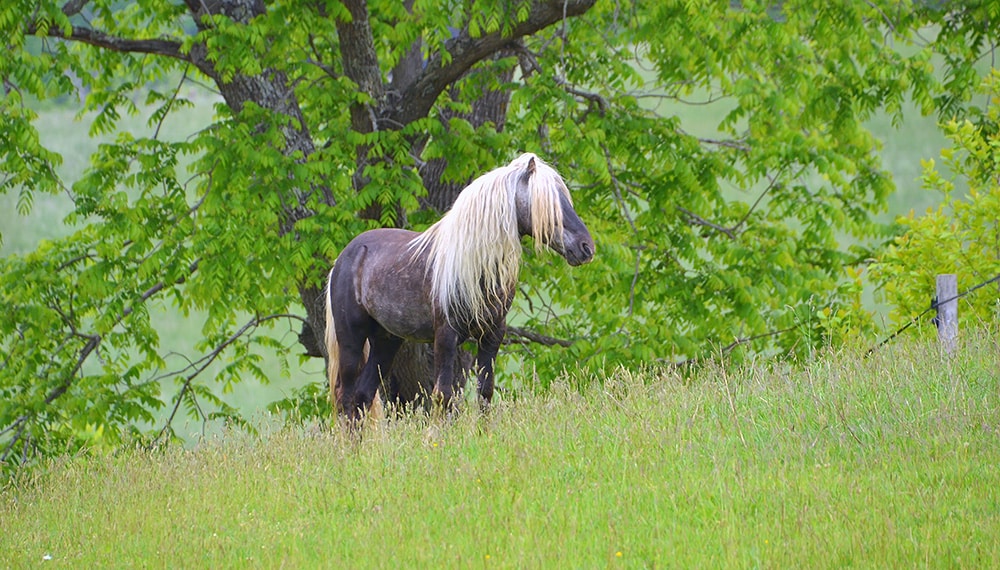
All these threats to the ponies begs the question: If they’re not native and don’t need to be out there, why keep them out there at all?
Everyone has a different answer, but for me, it’s the magical feeling that many people, myself included, feel when they pull into Grayson Highlands State Park. No matter the weather or the season, the highlands of Virginia, like highlands everywhere, are a special and unique place. Here, vistas disappear and reappear in the mist. Sometimes you can see for miles, and yet not know what might lie around the next bend in the trail. It’s a place where elves and sprites and unicorns could exist, and ponies do.
As Wegmann noted while we walked back to the parking lot after spending the day with some of her favorite ponies, “The ponies will find a way.”
She was talking about their ability to escape the fences erected to confine them to the management area, but her comment also rings true for the ponies in general. They will find a way.
Related Articles
Latest News
More Stories

Halloween Approaches, and Night School Is in Session
The House of Art in Bluefield, West Virginia, looks like a haunted tower, making it the perfect location for its sixth annual haunt event: Night School. The Night School will be open every Friday and Saturday night through Oct. 31.
‘The Most Perfect Act of Love’
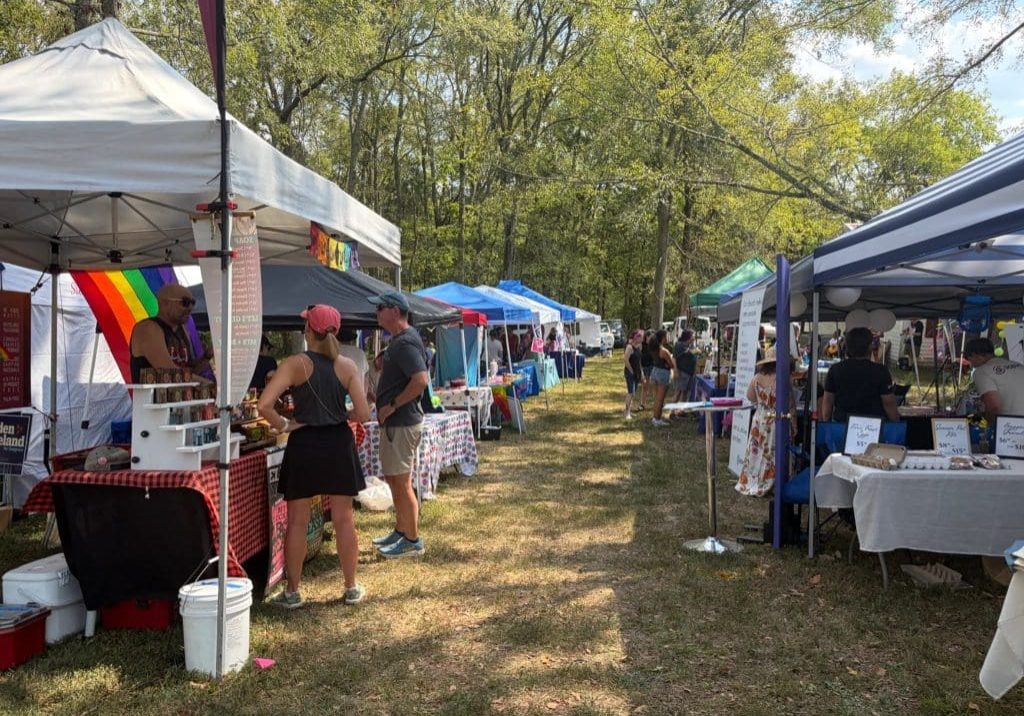
After losing its rural pride celebration, hundreds of people attended the second annual Affirming Sumner Pride celebration on a 24-acre farm dubbed “Fruity Farm” in Bethpage, Sumner County, Tennessee.
Signs of Life
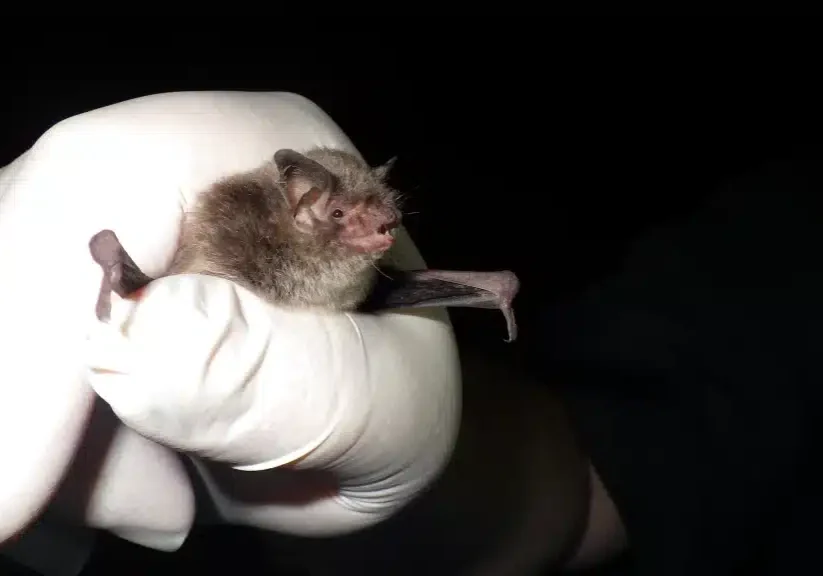
In the Nantahala National Forest, a team of biologists spotted Indiana bats, an endangered species that hasn’t been seen in North Carolina for the last 11 years.
‘First Line of Defense’
During Hurricane Helene and its aftermath, rural fire departments and other first responder hubs played critical roles in keeping their communities safe, even without power and cut off from outside support for days or weeks after the storm. Two years later, plenty of work remains to ensure these hubs have the resources they need to operate day to day and be ready when emergencies or natural disasters strike.
The Rocky Road — and Bridge — to Recovery
Hurricane Helene is estimated to have damaged nearly 7,000 private roads and bridges in Western North Carolina. Two years later, many restoration projects are complete, but the journey hasn’t been easy — and isn’t over for others.
After 20 Years, Letcher County Prison Proposal Is Still Alive, Though Obstacles Remain
A $605 million proposal for a federal prison on a former strip mine site in Letcher County, Kentucky, championed by U.S. Rep. Hal Rogers, refuses to die, despite local opposition, a lack of support from the executive branch and numerous other obstacles.

Leave a comment
Your email address will not be published. Required fields are marked *
One response to “The Feral Ponies of Grayson Highlands”
-

Wow. Ms Bahleda and the able photogs do what may be the best job I’ve ever seen of capturing the intriguing appeal of Grayson Highlands State Park, Mount Rogers, and these pony herds themselves. I’ve been Nordic skiing, hiking, and camping year round on these alluring summits since 1975 when my first published magazine cover was featured on the old Virginia “state magazine” Commonwealth (thanks to the late, ground-breaking Virginia journalist and editor James Walmsley). It’s fascinating to realize that the author dates my first encounter with the area and its ponies to shortly after the first ponies were released. I never get enuf of the area, or the ponies, which I always appreciate from a distance. That’s often pretty difficult in winter when my face and hair, like the nostrils and manes of the horses, can be heavily hoar-frosted. Thanks a lot for not forgetting the people who appreciate and especially care for these creatures. Here’s a Highlands hurrah to Pony Association president Jerry Ward! And of course to all the like-minded caregivers. We appreciate ya.

Leave a Comment