

By Debra Murray
From dense forests to fields, and from waterfronts to high elevations, Appalachia offers the chance to see many beautiful birds, such as the red-cockaded woodpecker, cerulean warbler and Eastern phoebe.
“Spend lots and lots of time outdoors,” Guy McGrane, vice president of the High Country Audubon Society, advises new birders. “Get a pair of binoculars, and whenever you see something move, pay attention to it. Pay less attention to people and more attention to your surroundings, and you’ll see lots of cool stuff.”
McGrane has been birding since 2013, mostly near his home in Boone, North Carolina. His personal favorites to spot are large birds such as the bald eagle and great blue heron, but he also enjoys seeing the “jeweled” ruby-throated hummingbird.
Experienced and new birders alike can spot a variety of feathered friends on these trails.
North Carolina
Black Balsam Knob via Art Loeb Trail
Length: 1.4 miles, out-and-back
Difficulty: Moderate
Birds to spot: Black-throated green warbler, peregrine falcon, Carolina chickadee, black-capped chickadee
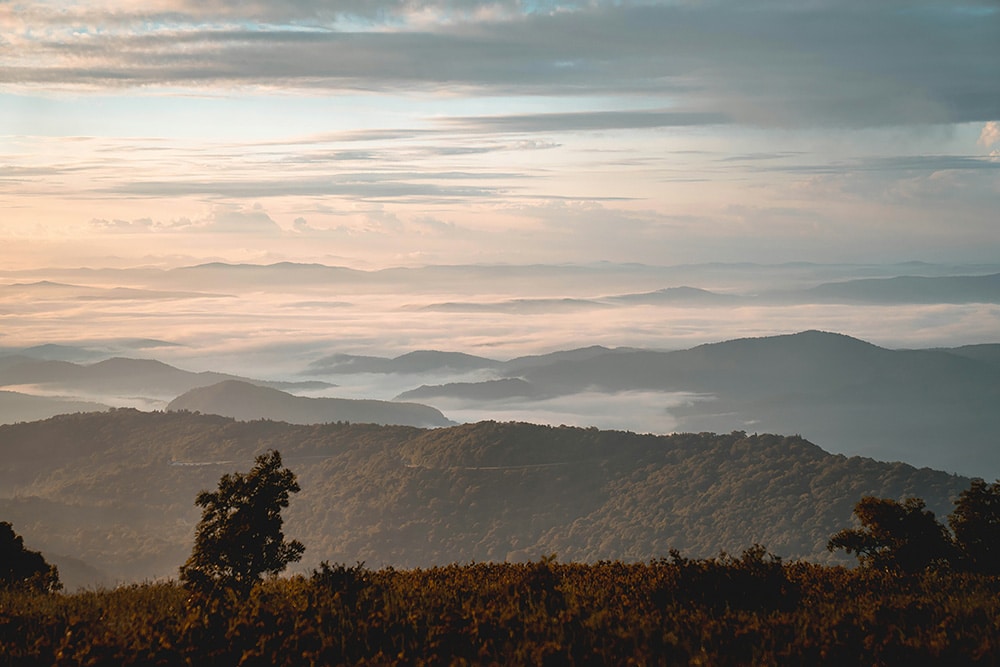
Black Balsam Knob via Art Loeb Trail in Pisgah National Forest is a moderate hike due to a 350-foot elevation gain. When hiking this trail on a clear day, it is possible to see the Great Smoky Mountains in the distance. Hikers are likely to see mountain birds soaring on this trail, as well as stunning views.
Pigsah National Forest works with the North Carolina Wildlife Resource Commission to support healthy populations of ruffed grouse and wild turkeys, Adam Rondeau, public affairs officer for National Forests in North Carolina, explains.
“Black Balsam Knob and other high‑elevation areas of the Pisgah Ranger District are especially popular for birding in the spring and fall, when migrating warblers move through the region,” Rondeau says. “Visitors can expect to see a variety of these colorful species along with other birds adapted to the high‑elevation ecosystem.”
One notable bird spotted on the trail is the peregrine falcon, a fast flier that can soar up to 69 miles-per-hour when in pursuit of prey, according to the Cornell Lab of Ornithology.
Parking is limited at the trailhead. Thanks to its access to high-reward views on a shorter hike, it is a popular trail in the area, so get there early.
West Virginia
Endless Wall Trail
Length: 4.8 miles, out-and-back
Difficulty: Moderate
Birds to spot: Bald eagle, turkey vulture, hawk, ovenbird, cerulean warbler
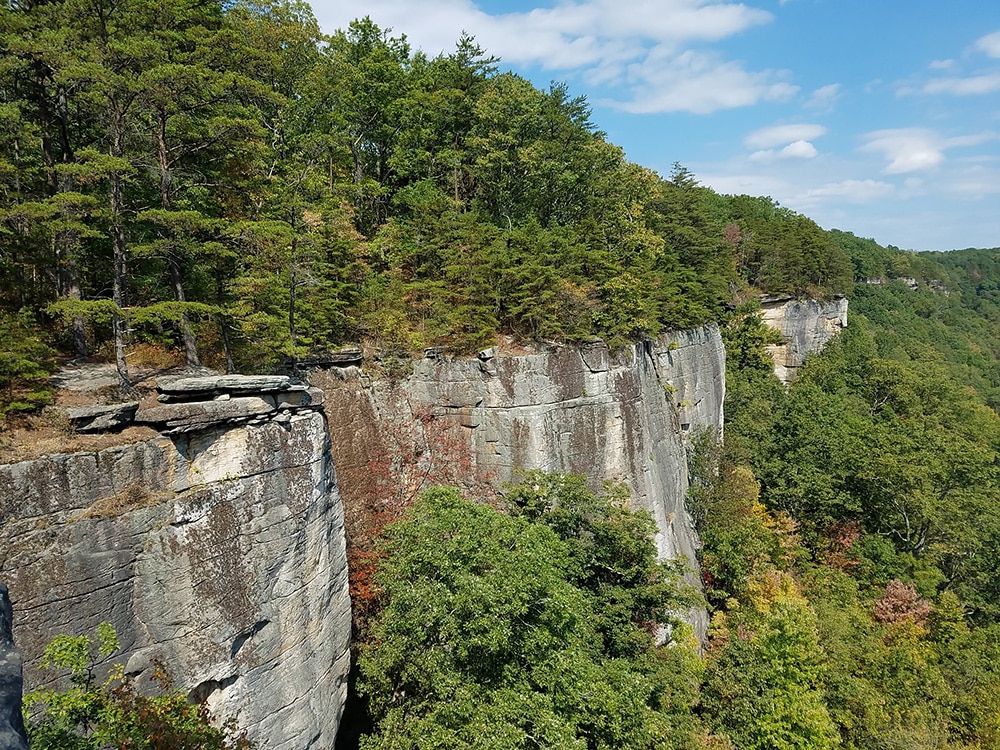
Located in New River Gorge National Park, the Endless Wall Trail has an elevation gain of nearly 430 feet. Visitors wander through mature hardwood and hemlock forests and alongside cliffs, with views of climbers and the sounds of wood thrushes and ovenbirds. Turkey vultures and hawks can be seen soaring below when looking over the cliff’s edge.
“[New River Gorge has] got great birding, especially in the spring and summer,” says Katie Fallon, executive director of the Avian Conservation Center of Appalachia. “There are a lot of breeding bird species — neotropical migrants — that nest and raise their young in the New River Gorge National Park. And there are a ton of trails.”
Fallon’s favorite bird to spot is the cerulean warbler, a tiny songbird with a blue back and white throat and underbelly.
“West Virginia has more breeding cerulean warblers than any other state,” Fallon says. “So it’s always exciting to see them [while] out hiking. They are a bird that likes mature to old-growth forests, hardwood forests, often on ridges.”
Parking frequently fills up at the nearest trailhead, Fern Creek Trailhead, so be prepared to possibly park a half a mile away at the Nuttall Trailhead.
Tennessee
Bobwhite Accessible Trail at Seven Islands State Birding Park
Length: 1.8 miles, out-and-back
Difficulty: Easy
Birds to spot: Northern bobwhite quail, pileated woodpecker, Eastern bluebird, great blue heron
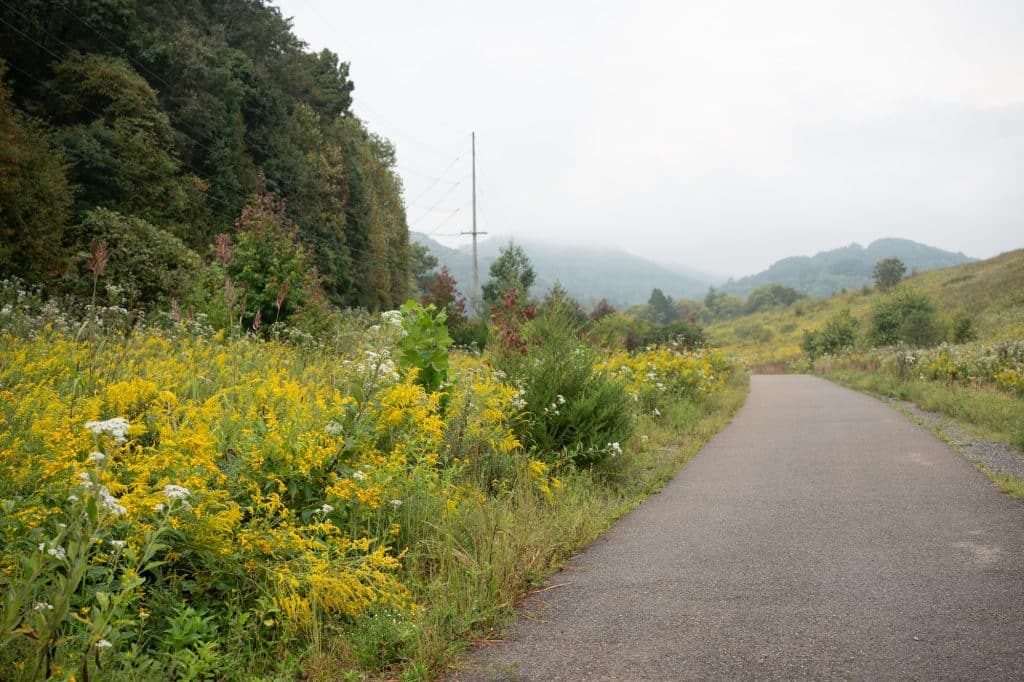
At Seven Islands State Birding Park, the Bobwhite Accessible Trail is a short, ADA-compliant paved trail known for wading birds and a bridge that leads hikers over the French Broad River to an island.
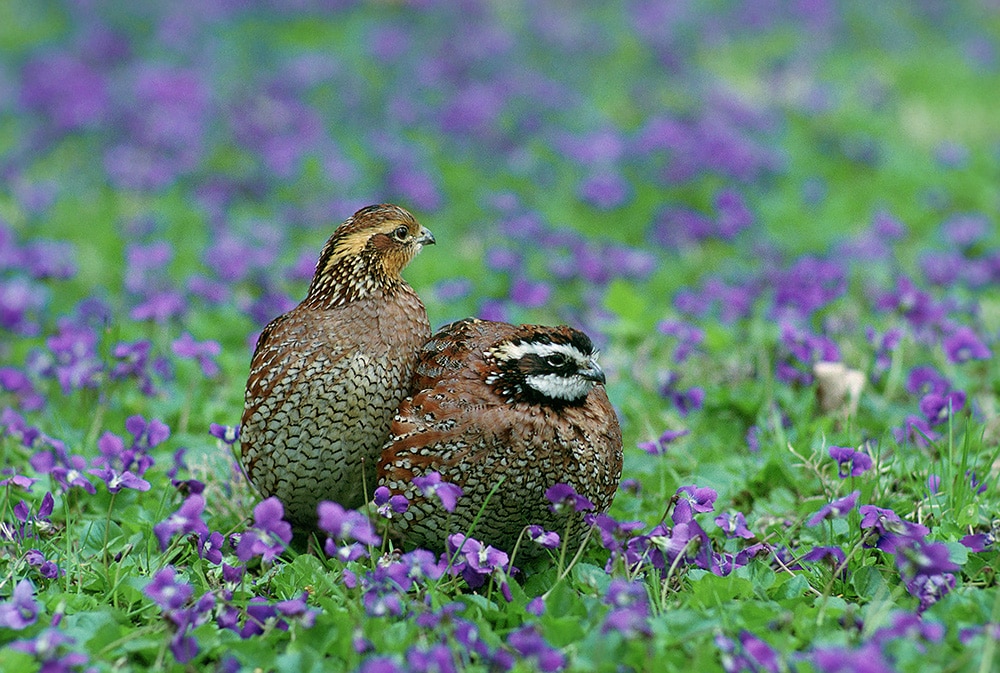
The park’s signature species is the Northern bobwhite quail, the only quail native to Tennessee, and the focus of the park’s conservation management efforts. Populations have declined by 81% between 1966 and 2019, according to the American Bird Conservancy.
“We have over 10 miles of trails that go through a variety of different habitats, from grasslands to forests to wetlands, and we manage those specifically for the Northern bobwhite quail,” says Stephanie Mueller, park ranger at Seven Islands State Park. “But in the process, we end up managing for a lot of other bird species and wildlife.”
The park has around 200 bird species documented. Some are residents, and others are transient migrants passing through.
At Seven Islands State Park, visitors can watch bird banding every two weeks on Sunday mornings. Bird banding is how bird researchers work to track, study and protect bird populations by capturing and marking them with aluminum leg bands.
Terrain-accessible wheelchairs are available for free with a reservation and can navigate all the trails throughout the park. Mueller shares that people have found them to be very comfortable and have left positive comments about using them.
“Accessibility is a big thing with Tennessee state parks,” Mueller says. “We want to make as much of the outdoors as accessible as possible to folks.”
Kentucky
Bluegrass Overlook Trail
Length: 1.9 miles, out-and-back
Difficulty: Moderate
Birds to spot: Vulture, Eastern phoebe
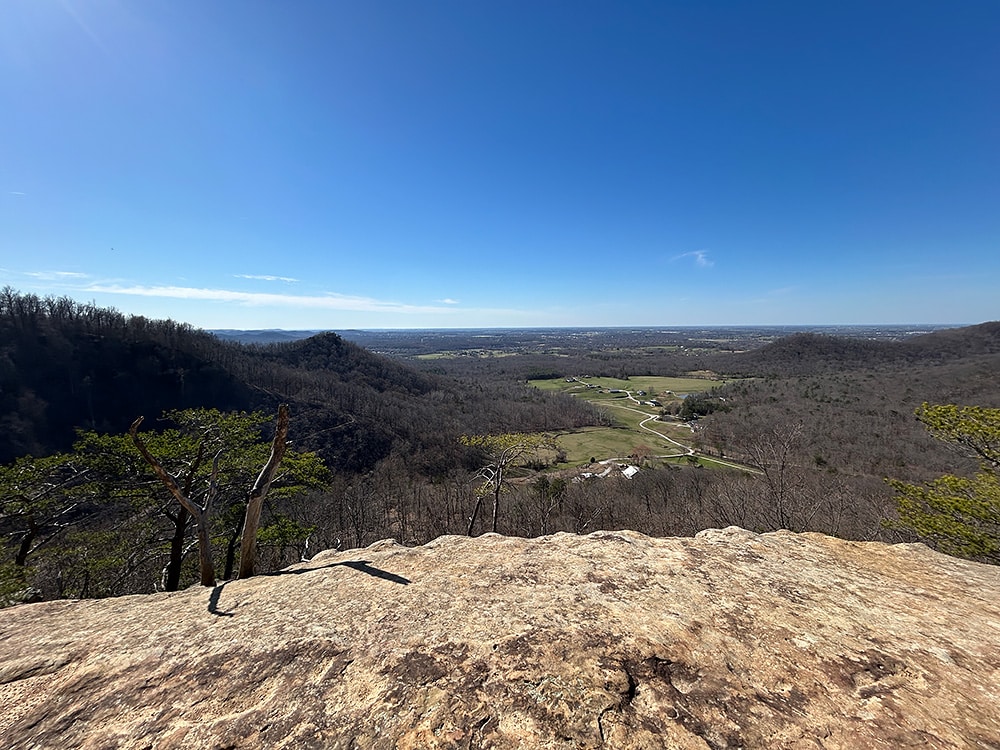
Located within the Berea College Forest, the Bluegrass Overlook Trail — previously known as the Indian Fort Overlook Trail — is a 1.9-mile hike with a 547-foot elevation gain, leading visitors to a lookout with views of forested valleys. Birds that visitors may spot include breeding songbirds, migrating birds, and vultures in the forest or circling near the valley.
In spring, visitors can spot the Eastern phoebe, a small songbird that breeds in this region of Kentucky. The Eastern phoebe is a plump bird with brown or gray feathers on its back and head, and white around the neck and stomach. Their songs sound like “fee-be” repeating over and over again.
To avoid slipping on steep slopes, it’s best to hike this trail when the ground is dry. There is also a large gravel parking lot and bathrooms at the trailhead. The parking lot gate closes after sundown.
Virginia
Ivanhoe Birding Trail
Length: 2.5-mile network
Difficulty: Easy
Birds to spot: Tufted titmouse, dark-eyed junco, bald eagle
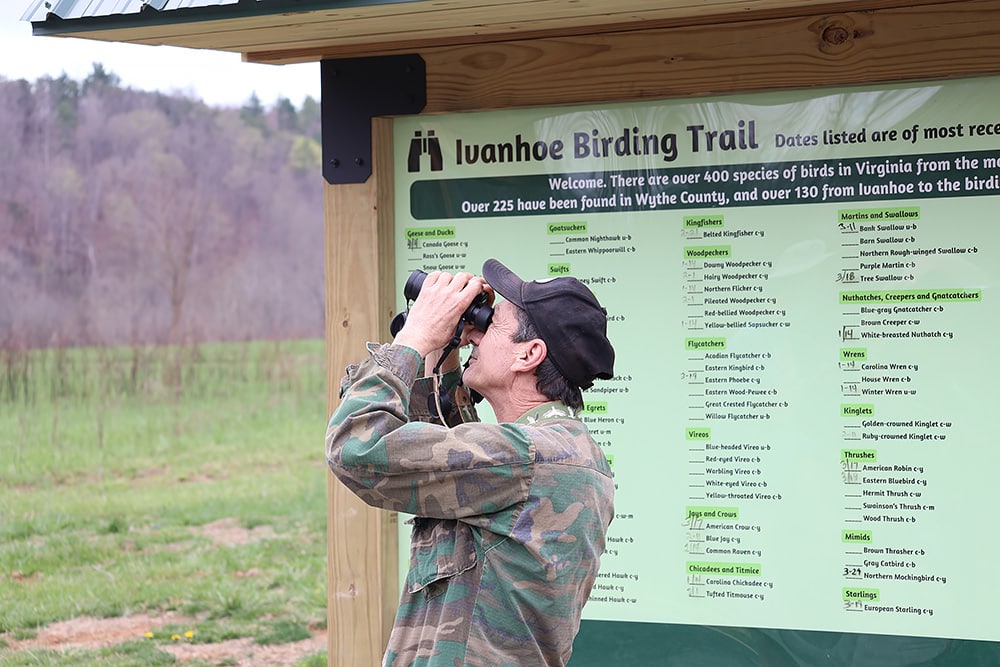
Located on 55 acres within New River Trail State Park, the Ivanhoe Birding Trail opened in 2024. It features signage about birds that can be found in the wetlands, hardwood forest and shrubby fields that visitors walk through. Hikers may get the chance to sight the bald eagle, the dark-eyed junco and the tufted titmouse, a small, gray songbird with an echoing voice. A song that sounds like “peter-peter-peter” means a tufted titmouse is near.
The park offers nature backpacks that families can check out through a partnership between Virginia State Parks and the Library of Virginia. They contain pocket guides for exploring local wildlife, animal tracking tools, binoculars and magnifying glasses. Each backpack comes with a parking pass that allows the patron to visit any state park for free, according to the library’s blog.
On-site parking for the state park costs $7 per standard vehicle per day, and nearby restrooms are available. Visitors will need to walk from the main parking lot to the Ivanhoe Birding Trail.
Ohio
Buzzardroost Rock Trail
Length: 4.6 miles, out-and-back
Difficulty: Moderate
Birds to spot: Turkey vulture, black vulture
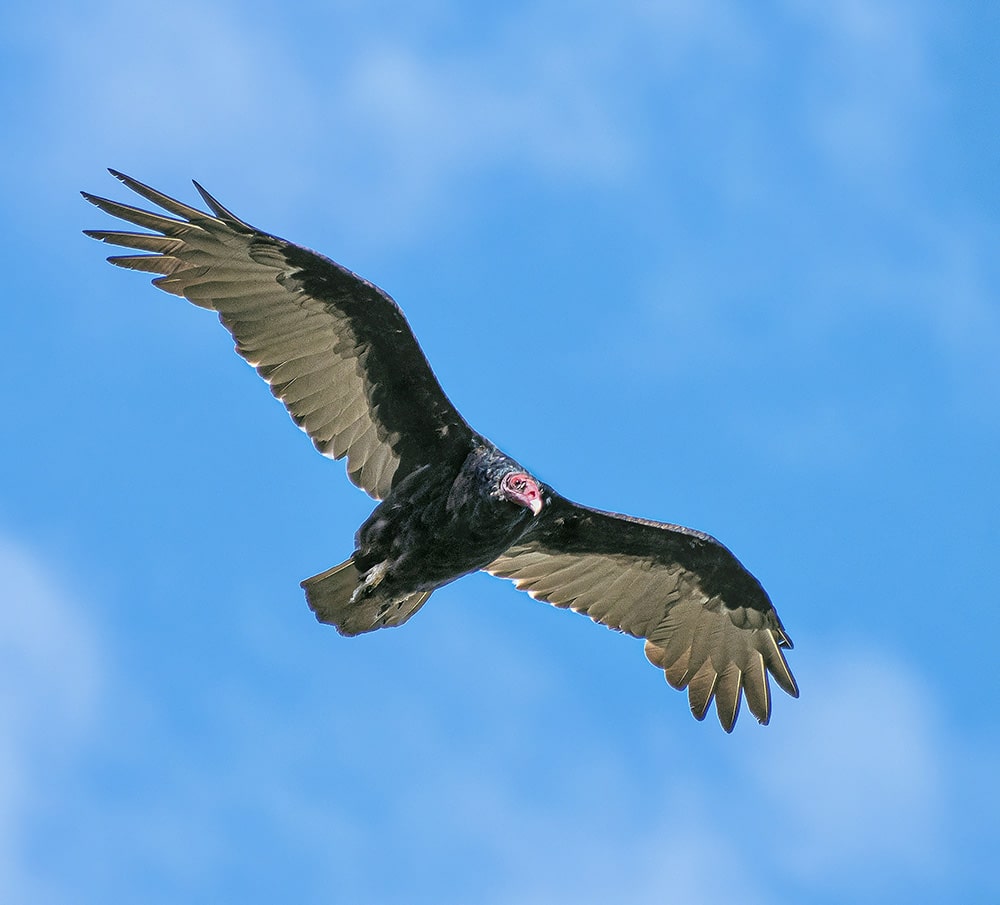
Located in the Edge of the Appalachian Preserve, Buzzardroost Rock Trail guides visitors to giant limestone monuments and offers views of vultures that the trail is named after. On the trails, visitors gain roughly 450 feet in elevation while enjoying breathtaking views from the overlook platform, which offers a panoramic view of Southern Ohio and the Appalachian Mountains.
In addition to the signature vultures soaring along the trail, birds such as black-and-white warblers, American redstarts and other songbirds can be spotted throughout the spring and fall months.
There is free parking in a gravel lot near the trailhead.
Related Articles
Latest News




Leave a comment
Your email address will not be published. Required fields are marked *
Leave a Comment