

In May and June, Murray Energy issued three layoff notices alerting workers in Eastern Ohio and West Virginia of mass impending layoffs. These terminations were expected to take place on June 17, though ultimately none occurred, according to United Mine Workers of America Director of Communications and Governmental Affairs Phil Smith.
Murray Energy is the largest privately held coal producer in the United States with 15 active mines, 10 coal transloading facilities, and 5 mining and equipment factory and fabrication facilities. Murray filed for bankruptcy in October 2019 due to outstanding debt and declining demand for coal.
On June 26, Murray Energy issued a third WARN notice. According to a press release from the United Mine Workers of America, this latest notice is a result of a date change for the completion of the bankruptcy. Murray must issue a new WARN Act notice, which the federal government requires at least 60 days before a possible mass layoff, each time the projected date of completion for bankruptcy proceedings changes. A new company will be taking over the mines and has already agreed to rehire the unionized Murray Energy miners.
“The new owners will immediately rehire the employees, but since they will technically be transferring to a new employer, Murray Energy is required under the WARN Act to issue a notice,” said UMWA International President Cecil Roberts in a statement. “I do not anticipate any layoffs of UMWA members as a result of this WARN Act notice or change of ownership.”
Phil Smith with the UMWA told Appalachian Voices that he is unsure whether non-unionized workers will be rehired. – By Emerson Wells
Related Articles
Latest News
More Stories

‘First Line of Defense’
During Hurricane Helene and its aftermath, rural fire departments and other first responder hubs played critical roles in keeping their communities safe, even without power and cut off from outside support for days or weeks after the storm. Two years later, plenty of work remains to ensure these hubs have the resources they need to operate day to day and be ready when emergencies or natural disasters strike.

The Rocky Road — and Bridge — to Recovery
Hurricane Helene is estimated to have damaged nearly 7,000 private roads and bridges in Western North Carolina. Two years later, many restoration projects are complete, but the journey hasn’t been easy — and isn’t over for others.
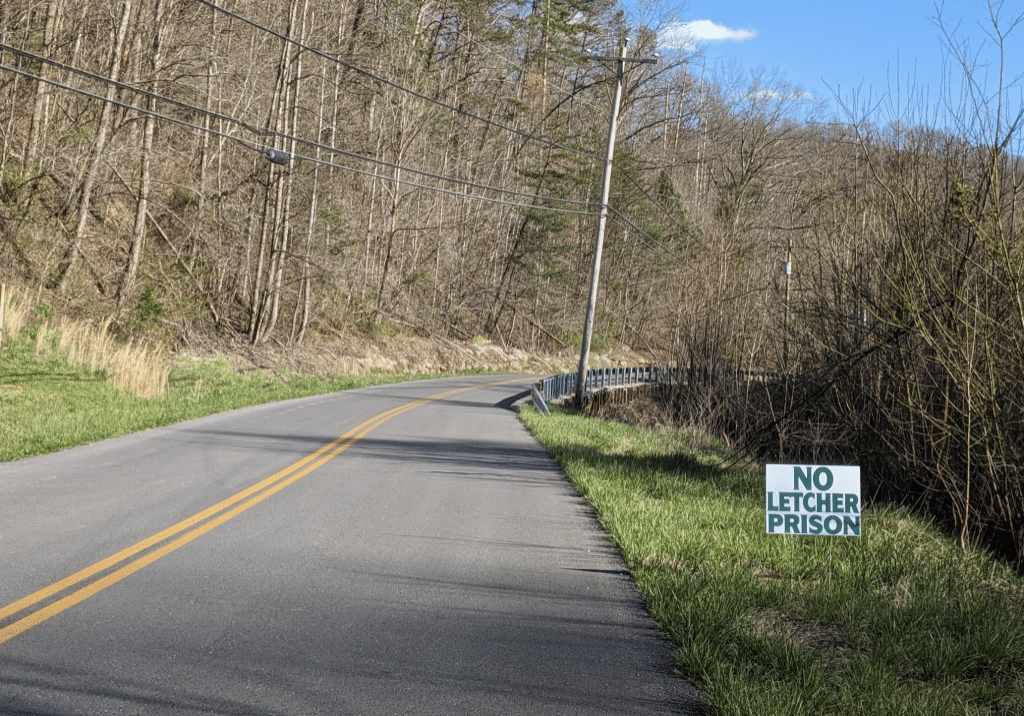
After 20 Years, Letcher County Prison Proposal Is Still Alive, Though Obstacles Remain
A $605 million proposal for a federal prison on a former strip mine site in Letcher County, Kentucky, championed by U.S. Rep. Hal Rogers, refuses to die, despite local opposition, a lack of support from the executive branch and numerous other obstacles.
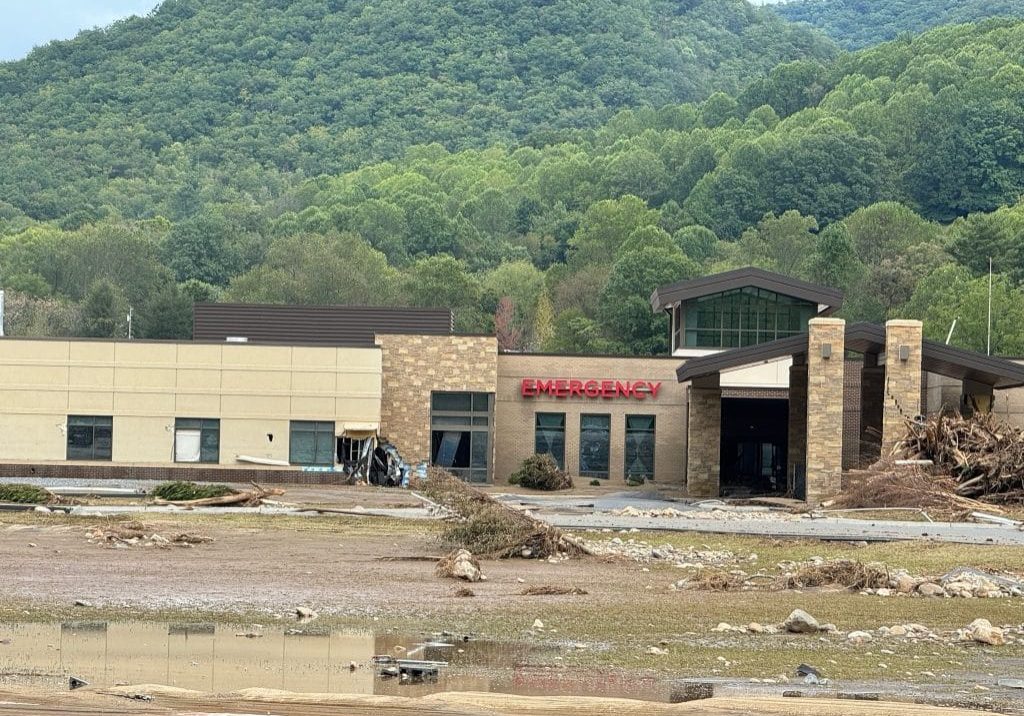
The Washout and Rebuild
For nearly two years, residents of Unicoi County, Tennessee, have had to make do without a hospital after Hurricane Helene destroyed the rural hospital. Ballad Health, which owns the hospital, broke ground on a new location — in another floodplain — in August 2026.

The Shenandoah Salamander
The Shenandoah salamander is a woodland salamander, which has adapted to life at higher elevations away from water. This sparkling rarity lives among the dry leaves, cracked logs, and stony hillocks on the highest peaks of Shenandoah National Park.
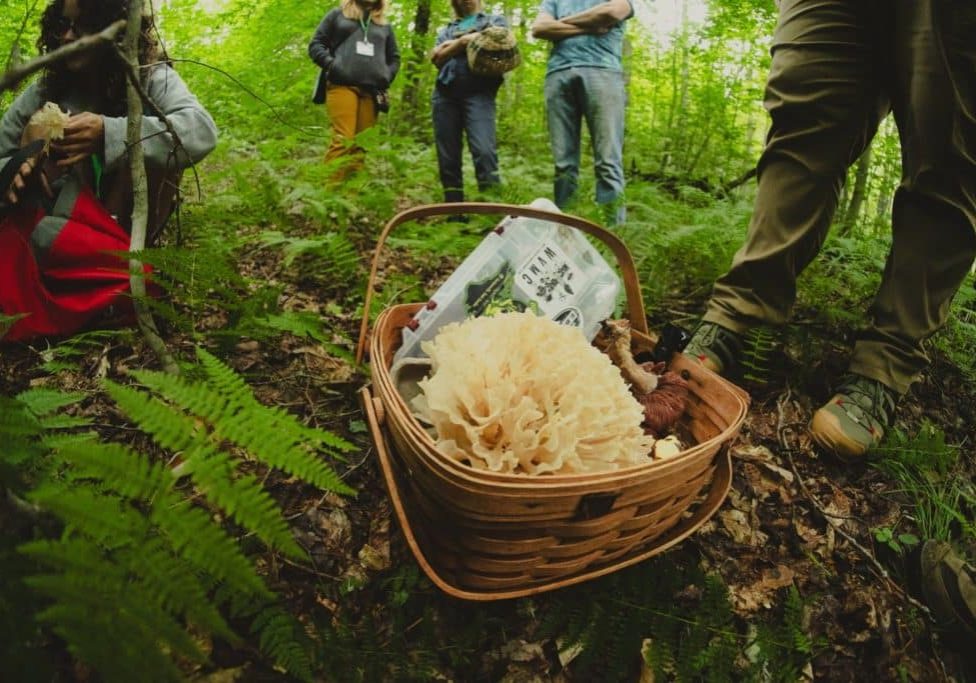
‘Foraging Is a Way of Connecting’
Foraging has experienced a modern resurgence, partly because of social media, online groups, the pandemic and people wanting to connect with nature. It also builds community, whether in person or online.

Leave a comment
Your email address will not be published. Required fields are marked *
Leave a Comment