

Editorial: Fossil Fuels and Nuclear…
How Costly is Too Costly?
Before the flood waters had fully receded from Japanese towns shattered by a 9.0 earthquake and 30-foot tsunami, and while firefighters were racing to cool down a category 5 nuclear disaster (still smoldering as we go to press), some in the energy industry were stumbling over themselves to tout the benefits of fossil fuels over nuclear.
Nuclear industry reps stressed the idea that America could construct expensive, new and supposedly “safer” nuclear plants, while coal industry reps took it a step further — suggesting we use more fossil fuels to replace nuclear.
Yet isn’t the over-reliance on both of these sources of energy the root of our problem?
Appalachians are already dealing with devastation from global climate change and toxic waste from energy production: radical flooding, fouled water from coal mining-processing and toxic air emissions from fossil fuel electric plants. Some communities are literally losing their backyards and family farms to mountaintop removal coal mining. Haven’t we already paid too great a price for coal, oil and nuclear energy?
Nuclear energy in the US has only survived for 60-odd years because of enormous subsidies like the Price-Anderson Act of 1957 — legislation that saddles the American taxpayer with ALL expenses over $10 billion dollars for any and all nuclear disasters within our borders.
Using sources of energy like nuclear and fossil fuels will always be inherently dangerous — and the safety of these plants relies on the industry to remaining ever vigilant. Yet time and again we see that cutting corners where safety is concerned is just part of doing business.
This condition was clearly seen in 2002, when the Tokyo Electric Power Company (operator of multiple nuclear power plants, including the damaged Fukushima facility) admitted to falsifying maintenance reports at their plants on “hundreds of occasions” for more than two decades.
In Appalachia, coal giant Massey Energy Co., received the largest civil penalty in EPA history in 2008 — $20 million — for Clean Water Act Violations in Kentucky and West Virginia. Two years later, 29 miners died in Massey’s Upper Big Branch coal mine; disabled safety equipment was later found in the area where the fatal explosion occurred.
Although the nuclear disaster in Japan is what has dominated the news, cleaner technologies — like the offshore wind turbines located less than 200 miles from the epicenter of Japan’s recent earthquake — not only survived the disaster but are “fully operational.”
The renewable energy of planet Earth — solar, wind, hydroelectric and geothermal — is far greater than all known supplies of coal, oil and nuclear. These technologies not only stem the rising tide of global climate change and environmental pollution, but offer Americans new jobs and economic opportunities for decades to come.
This is especially the case for Appalachia. We, as a nation, just need to green up our act.
Related Articles
Latest News
More Stories

‘First Line of Defense’
During Hurricane Helene and its aftermath, rural fire departments and other first responder hubs played critical roles in keeping their communities safe, even without power and cut off from outside support for days or weeks after the storm. Two years later, plenty of work remains to ensure these hubs have the resources they need to operate day to day and be ready when emergencies or natural disasters strike.

The Rocky Road — and Bridge — to Recovery
Hurricane Helene is estimated to have damaged nearly 7,000 private roads and bridges in Western North Carolina. Two years later, many restoration projects are complete, but the journey hasn’t been easy — and isn’t over for others.
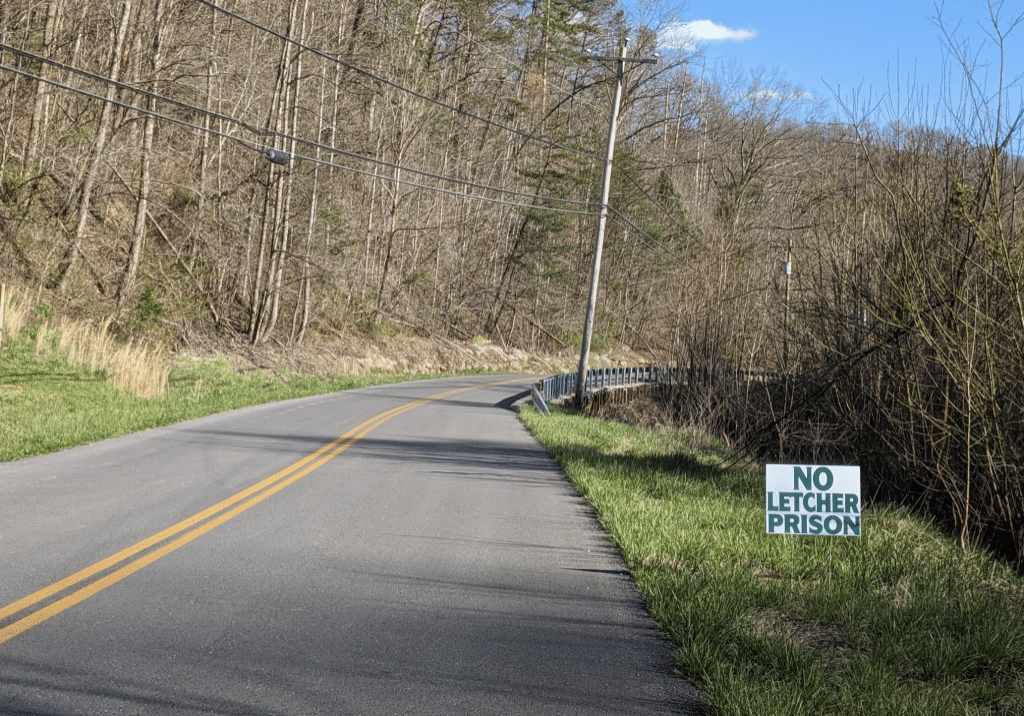
After 20 Years, Letcher County Prison Proposal Is Still Alive, Though Obstacles Remain
A $605 million proposal for a federal prison on a former strip mine site in Letcher County, Kentucky, championed by U.S. Rep. Hal Rogers, refuses to die, despite local opposition, a lack of support from the executive branch and numerous other obstacles.
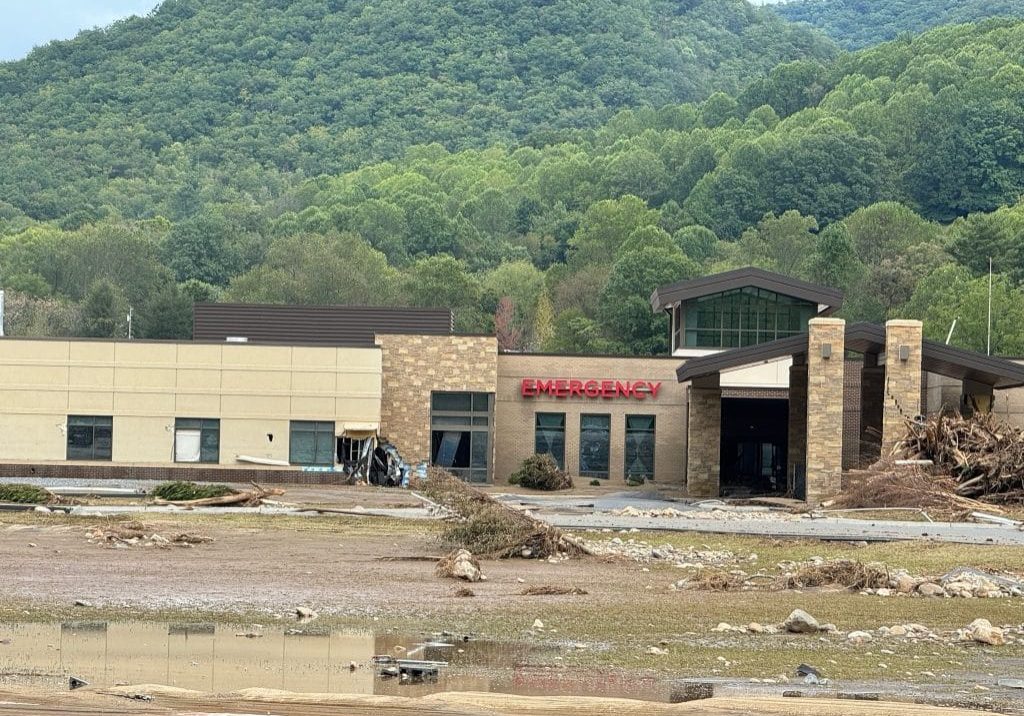
The Washout and Rebuild
For nearly two years, residents of Unicoi County, Tennessee, have had to make do without a hospital after Hurricane Helene destroyed the rural hospital. Ballad Health, which owns the hospital, broke ground on a new location — in another floodplain — in August 2026.

The Shenandoah Salamander
The Shenandoah salamander is a woodland salamander, which has adapted to life at higher elevations away from water. This sparkling rarity lives among the dry leaves, cracked logs, and stony hillocks on the highest peaks of Shenandoah National Park.
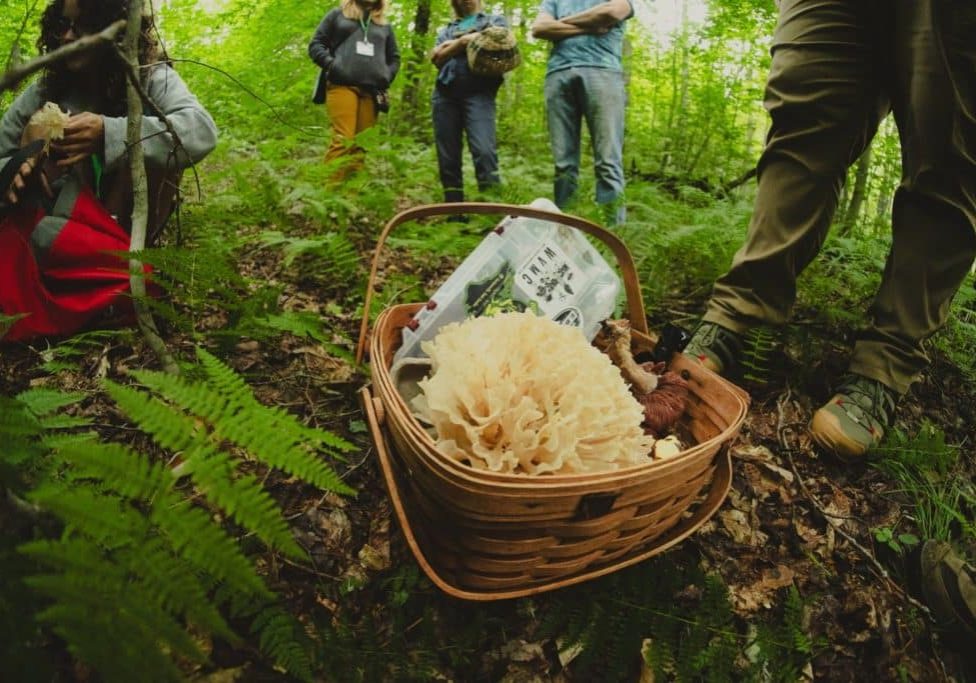
‘Foraging Is a Way of Connecting’
Foraging has experienced a modern resurgence, partly because of social media, online groups, the pandemic and people wanting to connect with nature. It also builds community, whether in person or online.

Leave a comment
Your email address will not be published. Required fields are marked *
Leave a Comment