

Luthiery school opens manufacturing facility to provide economic opportunity
People from around the world come to the Appalachian School of Luthiery in Hindman, Ky., to learn the craft of instrument-building. The school is part of the Appalachian Artisan Center, a nonprofit organization that helps develop the region’s art economy.
The school’s head luthier, Doug Naselroad, recently co-founded Troublesome Creek Stringed Instrument Company. The nonprofit company plans to become commercially sustainable by manufacturing high-end custom guitars, mandolins and mountain dulcimers while helping local people earn a livelihood through luthiery skills.
In February 2019, the federal Appalachian Regional Commission announced a $12 million investment for addiction recovery and workforce development in Kentucky’s Appalachian counties, including more than $867,000 for Troublesome Creek.
Appalachian School of Luthiery staff serve as the company’s workforce development arm and the Eastern Kentucky Concentrated Employment Program is providing financial assistance for training, which requires school tuition. The six-month program combines digital fabrication with old-world hand skills.
Troublesome Creek is also partnering with Hickory Hills Recovery Center and Knott County Drug Court to engage with people who are recovering from addiction and are interested in luthiery.
In an area that contains some of the poorest counties in the United States, Naselroad’s goal is to produce high-paying and highly skilled jobs, with seven of those paid instrument-building positions currently filled. He also plans to support local businesses by utilizing Appalachian hardwoods such as black locust and red spruce.
“These Appalachian trees produce some of the best tone wood in the world,” said Naselroad in an interview with The Daily Yonder. “They really make beautiful, resonant instruments.”
— By Hannah McAlister
Related Articles
Latest News
More Stories

‘First Line of Defense’
During Hurricane Helene and its aftermath, rural fire departments and other first responder hubs played critical roles in keeping their communities safe, even without power and cut off from outside support for days or weeks after the storm. Two years later, plenty of work remains to ensure these hubs have the resources they need to operate day to day and be ready when emergencies or natural disasters strike.

The Rocky Road — and Bridge — to Recovery
Hurricane Helene is estimated to have damaged nearly 7,000 private roads and bridges in Western North Carolina. Two years later, many restoration projects are complete, but the journey hasn’t been easy — and isn’t over for others.
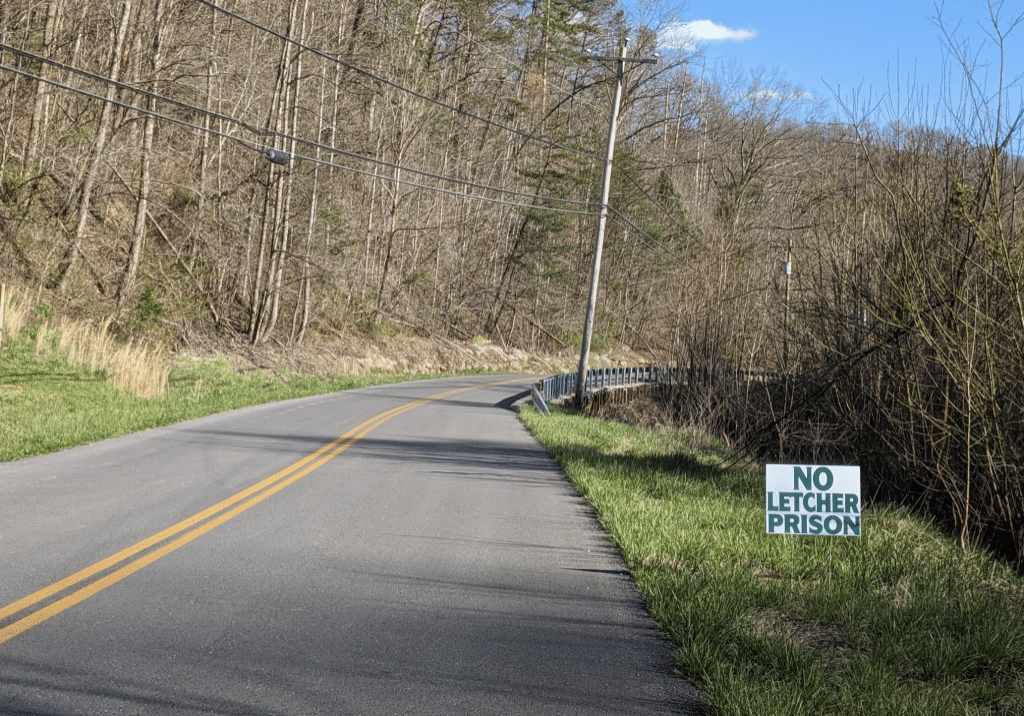
After 20 Years, Letcher County Prison Proposal Is Still Alive, Though Obstacles Remain
A $605 million proposal for a federal prison on a former strip mine site in Letcher County, Kentucky, championed by U.S. Rep. Hal Rogers, refuses to die, despite local opposition, a lack of support from the executive branch and numerous other obstacles.
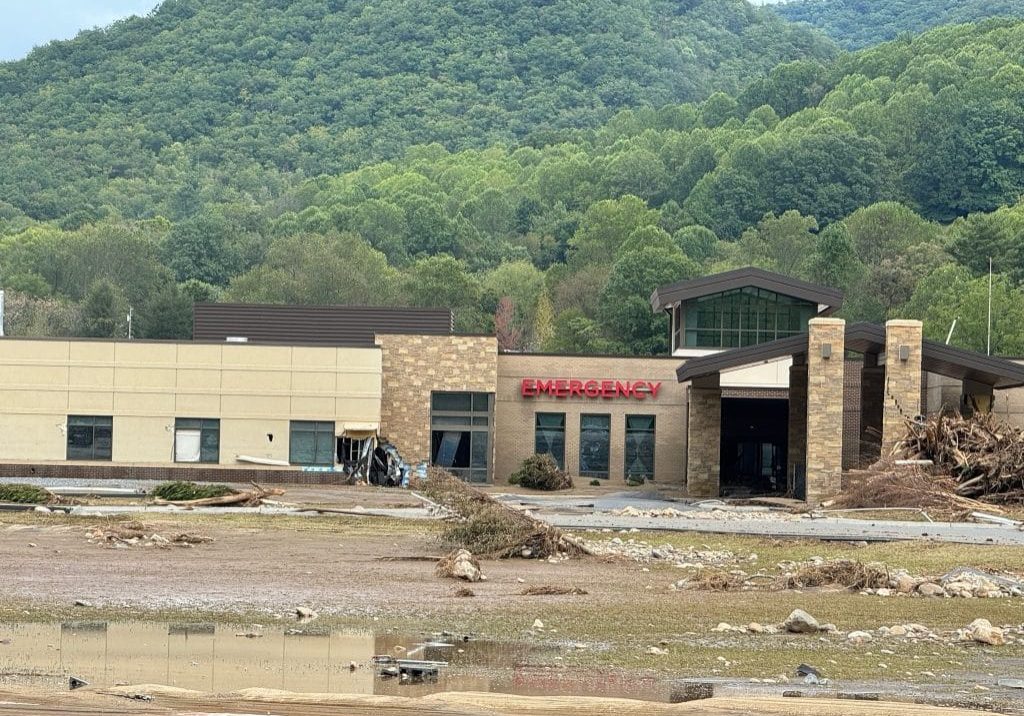
The Washout and Rebuild
For nearly two years, residents of Unicoi County, Tennessee, have had to make do without a hospital after Hurricane Helene destroyed the rural hospital. Ballad Health, which owns the hospital, broke ground on a new location — in another floodplain — in August 2026.

The Shenandoah Salamander
The Shenandoah salamander is a woodland salamander, which has adapted to life at higher elevations away from water. This sparkling rarity lives among the dry leaves, cracked logs, and stony hillocks on the highest peaks of Shenandoah National Park.
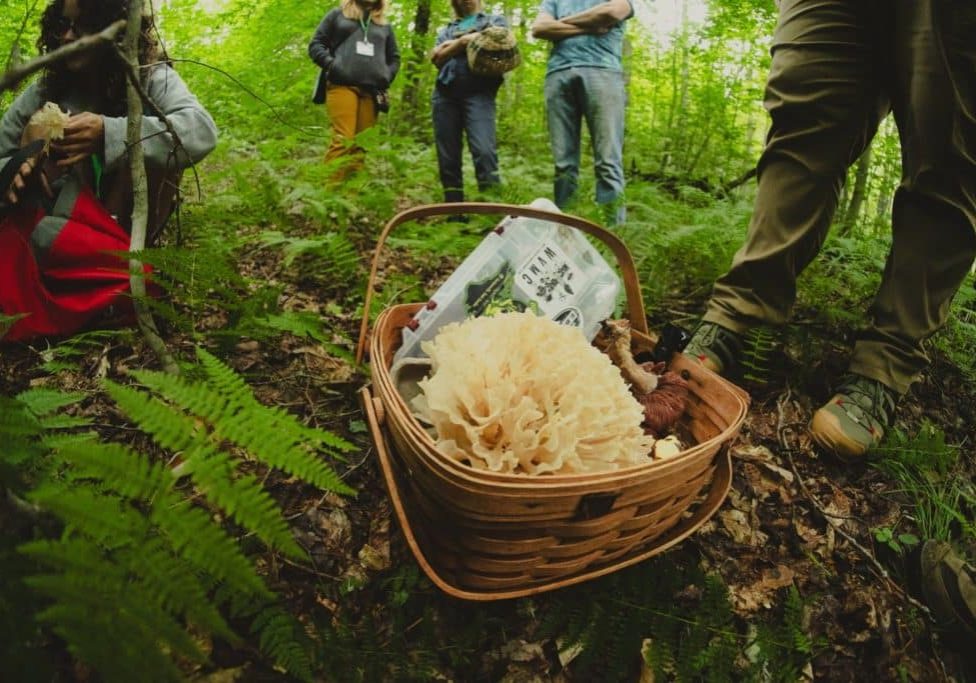
‘Foraging Is a Way of Connecting’
Foraging has experienced a modern resurgence, partly because of social media, online groups, the pandemic and people wanting to connect with nature. It also builds community, whether in person or online.

Leave a comment
Your email address will not be published. Required fields are marked *
Leave a Comment